Nov 1, 2026
Lever Back vs Fish Hook Earrings: Which Is Better
Lever back vs fish hook earrings compared: security, comfort, weight support and style, so you can pick the right earring finding for every piece.
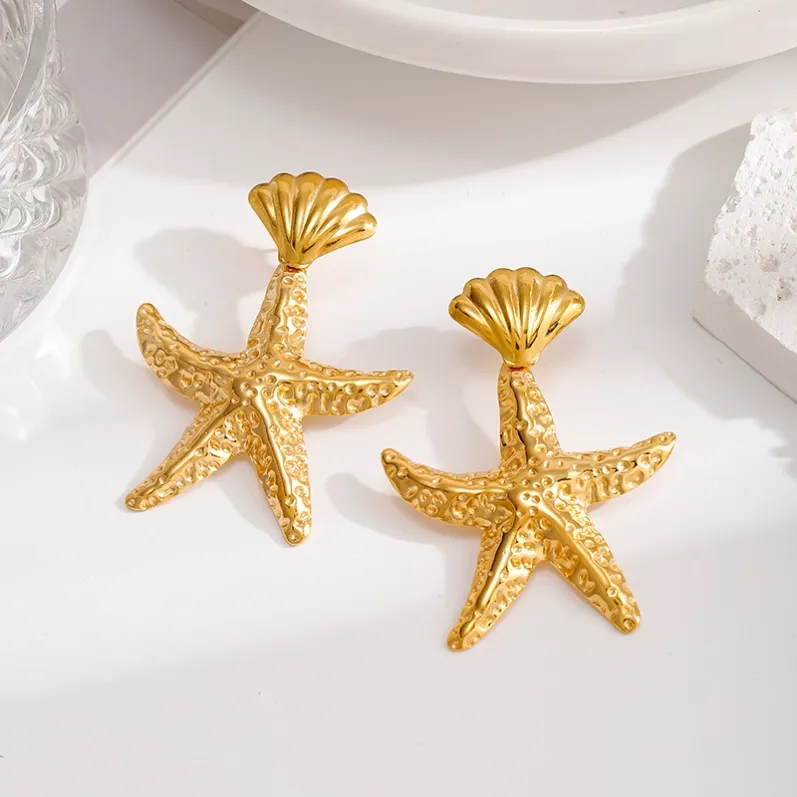
Lever back vs fish hook earrings is really a trade-off between security and simplicity: lever backs latch shut and almost never fall out, while fish hooks are lighter, invisible from the front and effortless to put on. Neither is better across the board — the right answer depends on the earring's weight, the occasion and how you wear jewelry day to day. Here is the full comparison.
What Each Finding Actually Is
One finding is a hinged latch, the other is an open curved wire — that single design difference explains every advantage and drawback below.
A lever back is a closed finding: the earring hangs from a hinged bar that swings down and clicks into a notch, forming an enclosed loop behind the lobe. Once closed, the earring is mechanically locked — it cannot slide out of the ear.
A fish hook (also called a French hook or shepherd's hook) is a curved wire that passes through the pierced lobe and hangs open. Most rely on a small rubber or silicone stopper on the end of the wire; some designs rely on the curve alone. The earring stays in through friction and gravity.
That difference drives everything else. A lever back needs a hinge mechanism, which means more metal and slightly more weight behind the lobe. A fish hook is a single piece of wire — lighter, but with an open exit path.
Head-to-Head Comparison
Lever backs win on security and weight support; fish hooks win on comfort, invisibility and speed.
Feature | Lever back | Fish hook |
|---|---|---|
Security | Enclosed latch locks the earring in place | Open wire; stopper can slip off |
Best for | Heavier drops, statement and event pieces | Light to medium earrings, daily wear |
Putting on | Swing the bar closed — one extra second | Push through the lobe — the fastest finding to wear |
Feel behind the lobe | Noticeable hinge at first; forgettable once on | Slim wire, barely there |
Look from the front | Finding can show on short drops | Virtually invisible; the earring appears to float |
Wear lying back | Bulkier against a pillow or headset | Slimmer profile, less poking |
Repairs | Hinge spring can loosen over years | Wire can be gently re-curved with pliers |
Security: Which Loses Fewer Earrings
If losing the earring would genuinely hurt, choose the lever back — it is the most secure common finding for pierced ears.
A closed lever back cannot slide out, which makes it the default choice for heavier drops, heirloom-style pieces and anything worn to an event with dancing, hugging and coat-taking. Fish hooks depend on a stopper that can work loose — and hair, scarves and phone headsets catch open wires more often than people expect.
Security is also a spectrum across all findings, not a two-way contest. This breakdown of jewelry clasp types and which is most secure puts both findings in context with hoops, studs and clip styles, and this guide to earring back types compares the stoppers and backs that fish hooks rely on. If you already own hook-style drops you love, upgrading to locking stoppers is a sensible middle path.
Comfort for All-Day Wear
Fish hooks disappear from view and mostly from feel; lever backs take a minute to forget but hold steadier on moving days.
For desk days, fish hooks are the lightest option — a slim wire through the lobe with almost nothing behind the ear. Lever backs feel slightly heavier because of the hinge, though most wearers stop noticing within the hour. The trade reverses on active days: a lever back keeps the earring seated during movement, while a hook lets a heavier drop swing and shift.
Two practical notes apply to both. Remove earrings before sleeping, since either finding can press into the skin overnight. And if you regularly wear headphones, earbuds or face coverings, slim hooks catch fabric and bands less than a hinged bar does.
Style, Occasions and the Plating Question
Hooks lean minimal and casual; lever backs lean classic and dressed-up — and both look current in steel.
Fish hooks suit everyday drops, geometric shapes and bohemian styles where the finding should vanish. Lever backs suit teardrops, chandelier shapes and vintage-inspired designs where a locked earring justifies a little more presence. In 316L steel, both findings come polished or PVD 18K gold plated, so the finding matches the rest of the earring's tone exactly.
One honest note on plating: PVD 18K gold plated findings keep their color through years of normal wear, but the hinge of a lever back is a moving, rubbing joint — its plating can lighten at the contact points after years of frequent use. That is normal for any plated moving part, not a flaw, and it is one more reason the steel underneath matters: the surface tone can fade, but the metal does not quit.
Both findings clean up the same way — warm water, mild soap, soft cloth. For pieces that have already dulled, this walkthrough on how to clean tarnished stainless steel jewelry restores the shine.
Which Should You Choose?
Choose lever backs when security and weight matter; choose fish hooks when comfort and invisibility do — and if you are building a collection or a catalog, stock both.
For wearers, match the finding to the earring: light daily drops work beautifully on hooks, while heavy, sentimental or event pieces deserve the lock of a lever back. For sellers, hooks are the workhorse for entry-level drops, while lever backs lift the perceived value of premium pieces — carrying both covers every kind of customer. The honest answer to "which is better" is that the two findings solve different problems.
Frequently Asked Questions
Quick answers to the questions buyers ask when choosing between the two findings.
Are lever back earrings more secure than fish hooks?
Yes. The hinged bar closes into an enclosed loop, so the earring is mechanically locked and cannot slide out of the lobe. A fish hook depends on its curve and a stopper that can work loose over a day. For heavy drops, event wear or anything you would hate to lose, the lever back is the safer finding by a clear margin.
Can fish hook earrings fall out?
They can, in two ways: the stopper slips off the end of the wire, or the whole wire works forward through the lobe as hair, scarves and headphones brush past. Well-curved hooks with snug stoppers stay put for most daily wear, but for dancing, commuting or long events, a latched finding removes the risk entirely.
Which finding is better for heavy earrings?
The lever back, without much debate. The enclosed loop carries the weight close behind the lobe instead of letting it hang from a single point on a wire, and the lock means a heavy drop cannot slide out mid-day. Fish hooks can hold heavy pieces, but the weight pulls the wire forward and can stretch the piercing over long wear.
Which is more comfortable for all-day wear?
Fish hooks, for most people, on most days — the slim wire adds almost nothing behind the lobe. Lever backs weigh slightly more and their hinge is noticeable at first, though most wearers stop noticing within an hour. On active days the ranking flips: a latched earring stays seated, while a hooked drop swings and shifts with movement.
Does the finding style matter for sensitive ears?
The finding matters less than the material and finish. Whatever the style, choose smooth, well-polished 316L stainless steel posts and wires, check that soldered joints are finished flush, and keep the pieces clean and dry. Rough edges or trapped moisture cause far more discomfort than the difference between a latch and a hook ever will.
Wholesale Stainless Steel Jewelry from IVANDA
Looking for a reliable stainless steel jewelry supplier? IVANDA supplies 316L pieces with PVD 18K gold plating - waterproof, skin-friendly and made for everyday wear. MOQ 60 pcs per style, in stock and ready to ship, with OEM/ODM services for custom designs. Message us on WhatsApp or email sales01@ivanda-fa.com for the latest catalog and wholesale prices.