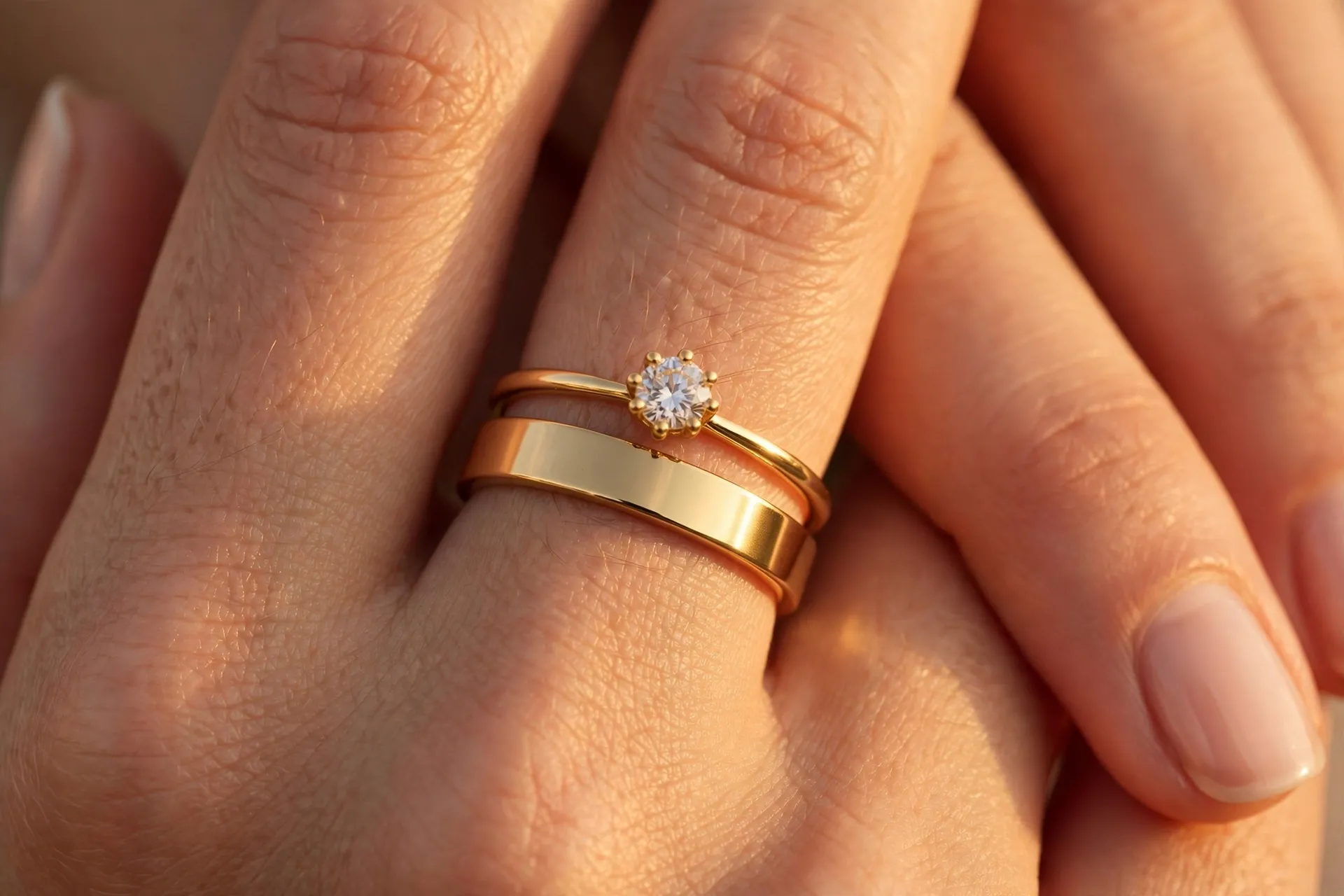
"Negotiating Jewelry Prices Without Losing Quality"
"How to negotiate jewelry prices with manufacturers without sacrificing quality: five levers that cut cost honestly, the trade-offs behind each, and the negotiation mistakes that quietly ruin a collec
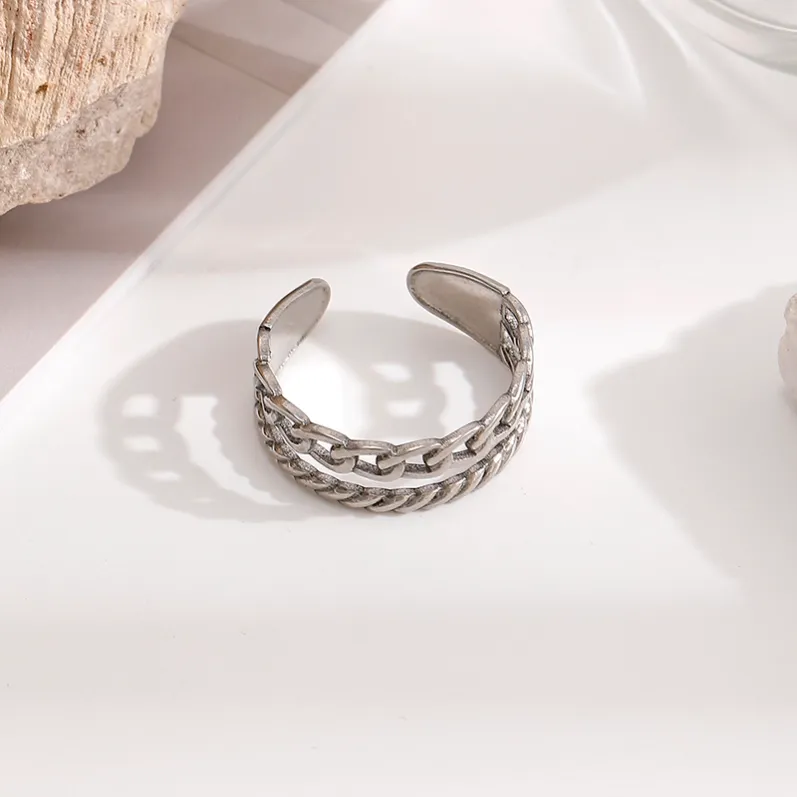
Every buyer wants a better price. The ones who get it without wrecking their collection understand something the rest learn the hard way: in jewelry manufacturing, price is not a number you push - it is a sum of specific, negotiable parts. Push the total and the factory quietly removes something you cannot see at quotation stage; negotiate the parts and you pay less for exactly the product you actually need. This guide walks through the five levers that reduce jewelry cost honestly, the trade-off each one carries, and the negotiation habits that protect both your margin and your collection.
Why "Give Me a Better Price" Fails
When a buyer's only lever is "can you do better on price?", the supplier has to take the discount from somewhere. Sometimes it comes from their margin - especially if they want the relationship. Often it comes from things that are invisible on the quotation: thinner plating, lighter chain, a lower-grade stone setting, looser polishing on surfaces nobody photographs. The pieces look the same in the product photos. They do not wear the same.
The fix is to negotiate on the record: agree explicitly on what the product is - grade, plating, weight, finish level - and then negotiate the specification itself. A discount attached to a written specification is a real discount; a discount attached to a vague description is a rumor. The full scope of what can be specified and customized - finishes, branding, packaging, design changes - is laid out on our OEM/ODM service page, and it makes a useful checklist before any price conversation.
Lever One: Trade Specification Tiers, Not Quality
The largest honest savings come from matching the specification to the actual job. Not every piece in a collection needs the same tier: 316L earns its premium on pieces that live against skin all day, while 304 can be the right call for occasional-wear or price-driven lines - as long as the positioning is honest. The same logic applies to stone settings, chain construction and clasp types.
The negotiation move is to ask for a tier menu rather than a single price: "quote this pendant in 316L and in 304, with PVD 18K gold plated finish on both." You get a decision matrix instead of a number, and you choose where the collection genuinely needs the premium. Our guide to 316L versus 304 covers which tier fits which job.
Lever Two: Consolidate Volume Where It Is Real
Volume discounts are real, but they reward order structure, not bluffing. Factories price setups - polishing jigs, plating batches, engraving programs, packaging runs - and those fixed costs spread across whatever quantity lands in one production window. Three ways buyers legitimately capture this:
Move | Why it lowers cost |
|---|---|
Merge styles into one production window | Setups and plating batches amortize across the combined run |
Commit to a reorder schedule | Suppliers plan material purchasing and queue time; steadiness is worth real money |
Group packaging orders with production | A packaging run that ships with jewelry avoids a second freight and setup cycle |
What does not work is the phantom promise - "we will order thousands every month" from a first-time buyer with no track record. Suppliers have heard it, priced it, and moved on. If your volumes are genuinely small, our guide to low-MOQ manufacturing shows how in-stock base designs make small programs economic without pretending they are big ones.
Lever Three: Simplify the Finish and Packaging Stack
After metal and plating, the cost conversation moves to everything around the piece: card printing, box construction, polybag weights, hangtag materials, even the number of polybags per style. Buyers routinely discover that packaging and finishing touches are ten to twenty percent of their landed cost - and that half of it does nothing for the customer experience.
Audit your packaging stack the way a margin analyst would: which elements does the end customer actually touch and remember? Branded cards usually earn their cost; heavyweight custom boxes at launch stage often do not. Ask your supplier to quote the full stack and the reduced stack side by side. The saving is permanent, visible in every reorder, and costs the collection nothing.
Lever Four: Trade Terms, Not Just Price
Price has siblings that suppliers value and buyers overlook: payment schedule, order predictability and communication load. A buyer who pays a deposit promptly, confirms reorders on a rhythm and consolidates feedback into single messages is cheaper to serve - and suppliers price that, formally or not.
The negotiation move is to trade these deliberately: offer a slightly higher deposit share in exchange for a better unit price; offer a quarterly reorder intent in exchange for plating-queue priority. These trades work because they reduce the supplier's risk and planning cost - which is what their margin actually covers. The reverse trade also exists: if cash is tight, a larger balance-at-delivery share can buy time, usually at a modest unit premium. Know which direction you are trading before the conversation starts.
Lever Five: Negotiate the Process, Not the Piece
Some of the best cost reductions never touch the unit price at all. Consolidating styles into fewer plating finishes reduces batch complexity. Designing pieces to use standard chain and clasp sizes avoids custom component tooling. Approving samples with complete, written feedback in one round removes the rework cycles that inflate both cost and lead time. Even freight terms are negotiable value - our FOB, EXW and DDP comparison shows how the right term can matter more per order than a five-percent unit discount.
Buyers who negotiate this way build a reputation as easy to produce for - and in every factory, the easy-to-produce-for buyers get the good queues, the careful QC and the honest warnings. That reputation is worth more than any single negotiated percentage.
The Mistakes That Quietly Ruin a Collection
A price pushed past the specification stops being a discount and starts being a substitution.
Watch for these patterns in your own negotiations:
- Discounting without a written spec - the factory must remove something; you just chose not to know what
- Comparing quotes across different grades and finishes - the cheapest quote is often quoting a different product
- Pushing price on the first order, then demanding premium QC on it - the relationship cannot support both
- Negotiating every reorder from zero - churn keeps unit prices high; a reorder rhythm lowers them
- Treating the supplier's no as a bargaining position - on quality-critical items, a no is often the most valuable information in the conversation
Buyers who avoid these five patterns get something better than the lowest quote: a cost structure they can live with for years, on a collection that survives contact with real customers. That combination is what actually compounds a jewelry brand - and it starts with negotiating the parts, not pushing the number.
Frequently Asked Questions
Can I negotiate jewelry prices with a manufacturer?
Yes, but negotiate the specification, not the sticker. Real savings come from trading tiers (316L vs 304 by piece), consolidating production windows so setups amortize, simplifying packaging, and trading payment or reorder predictability for better terms. Pushing only the total price usually produces invisible substitutions - thinner plating or lighter chain - that surface later as customer complaints.
How much discount can I realistically ask for on a jewelry order?
Legitimate savings typically come in bands: tier downgrades and packaging simplification can move unit cost meaningfully; merged production windows capture setup savings; reorder commitments buy planning priority. Numbers beyond what the specification supports should make you suspicious rather than pleased - the discount is coming out of the product somewhere you have not looked yet.
Does ordering more styles at once lower the price?
Often yes. Plating batches, polishing setups and packaging runs carry fixed costs that spread across whatever quantity shares the window, so combining styles into one production run usually beats ordering styles one at a time. The trade-off is cash timing and storage - merge as much as your inventory plan genuinely supports, and let the supplier quote both structures so you can see the difference.
Should I tell a supplier my target price?
A realistic price band helps the supplier propose the right construction instead of guessing, and it filters mismatched factories early. What does not help is an aggressive anchor below the market - that either gets ignored or gets accepted with something quietly removed. Share the band, share the reasoning, and ask the supplier to propose the best product they can build inside it.
Wholesale Stainless Steel Jewelry from IVANDA
Looking for a reliable stainless steel jewelry supplier? IVANDA supplies 316L pieces with PVD 18K gold plating - waterproof, skin-friendly and made for everyday wear. MOQ 60 pcs per style, in stock and ready to ship, with OEM/ODM services for custom designs. Message us on WhatsApp or email sales01@ivanda-fa.com for the latest catalog and wholesale prices.