Oct 26, 2026
PVD Gold Plated Jewelry: What to Expect After Years of Wear
How does PVD gold plated jewelry hold up after years of wear? An honest look at durability, fading, friction points and the care that extends its life.
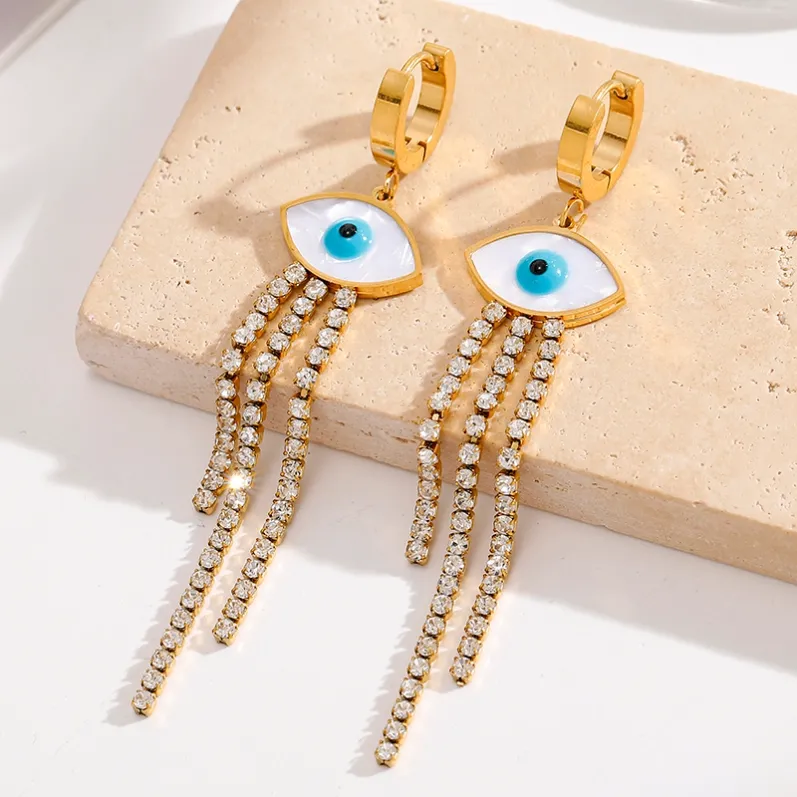
PVD gold plated jewelry is the most durable gold look you can put on stainless steel — but it is not immortal, and knowing exactly how it ages is the difference between realistic expectations and disappointment.
Marketing loves the phrase "lasts for years." Few brands explain what those years actually look like: when the finish starts to change, which parts fade first, and which habits decide how gracefully a piece ages. This guide covers PVD gold plated jewelry durability honestly — the science in brief, a realistic wear timeline, the real limitations, and the care that stretches the lifespan.
What Is PVD Coating, Exactly?
PVD — physical vapor deposition — bonds a gold-toned layer to the steel surface inside a vacuum chamber, creating a finish far tougher than any dipped plating.
In PVD, metal is vaporized inside a vacuum chamber and condenses onto the jewelry as a thin, dense film that locks to the surface rather than sitting on it. Traditional electroplating deposits gold from a liquid bath, producing a softer, more porous layer that wears through quickly.
The result is a gold look that tolerates water, sweat and daily friction dramatically better than anything a dipping bath can produce. For the full science — chamber conditions, layer thickness and why adhesion differs — see the science of PVD coating on jewelry.
How PVD Compares to Other Gold Finishes
On the same stainless steel base, PVD outlasts dipped plating by years — that is the single biggest reason it dominates quality gold-tone steel jewelry.
Finish | How it is applied | Daily-wear behavior |
|---|---|---|
PVD 18K gold plated | Vapor-deposited in a vacuum chamber | Resists water, sweat and friction; fades gradually over years |
Traditional gold plating | Deposited from a chemical bath | Softer layer; can wear through in months of daily wear |
Lacquer or paint over base metal | Sprayed or dipped | Fastest to chip and peel; avoid for everyday pieces |
Solid gold | Alloy throughout the metal | Does not wear off, but scratches like any gold and is far costlier |
Two nuances keep this table honest. First, everything except solid gold is a thin surface treatment — every plated finish, PVD included, has a finite life. Second, the base matters: PVD over quality 316L steel behaves differently from PVD over soft brass, because the metal underneath determines how the surface handles knocks.
What Years of Wear Actually Look Like
The honest pattern: the first couple of years look nearly new, change arrives slowly at friction points, and how the piece was treated matters more than the calendar.
Stage | What you see | What is happening |
|---|---|---|
First months | Bright, even gold tone everywhere | Intact and untouchable in normal use |
Year one to two | Still looks new to everyone but you | Micro-wear begins at rubbing points; color stays uniform |
Year two to four | Soft mellowing at the band underside, clasp or chain edges | Friction gradually thins the coating at contact points |
Year four and beyond | Base steel may peek through at high-wear spots | Coatings are finite; care history decides how far it got |
Treat this table as a pattern, not a promise. Two people can buy the same ring and see very different timelines: one wears it to the gym and pool daily, the other rotates pieces and wipes nightly. Wear habits, not luck, create most of the spread.
The Honest Limitations
PVD is the toughest gold-tone finish available — and it still has real limits. Anyone telling you otherwise is selling, not explaining.
- Friction beats PVD before water ever will. A ring's underside rubbing against fingers, a clasp knocking a desk all day — contact points thin first, because no coating survives constant abrasion forever.
- It can be scratched through, not just scratched. A deep gouge from a hard edge can cut through the film, and at that thickness the bare steel shows in one clean line.
- Chlorine and harsh chemicals accelerate aging. Daily pool soaking, bleach-based cleaners and aerosol products all shorten coating life; an occasional swim is fine, a whole summer of daily soaking is a different story.
- Color can drift slightly. Over many years, some pieces shift a touch warmer or cooler as the surface micro-texture changes. It reads as patina more than damage, but it is real.
- Once the coating is worn through, it does not grow back. Scratches in bare steel can be polished out; a worn-through gold-tone area cannot. The options are living with it or having the piece re-coated.
What Makes PVD Wear Faster (and Slower)
The lifespan gap between careless and careful owners is enormous — often bigger than the gap between coating technologies.
Factor | Effect on the finish |
|---|---|
Gym friction, gloves, desk rubbing | The fastest wear path — constant abrasion thins the coating |
Daily pool or hot tub soaking | Chlorine quietly attacks the surface; rinse immediately if it happens |
Perfume, sunscreen and aerosols sprayed on directly | Chemical contact dulls and pits the finish over time |
Nightly fresh-water rinse and soft wipe | Dramatically slows visible aging |
Rotating pieces instead of wearing one daily | Multiplies lifespan almost proportionally |
Every controllable factor here lives in the owner's hands. The coating technology is fixed at purchase; after that, the care routine is the variable.
How to Stretch the Lifespan
Four habits do most of the work: rinse after water, wipe after wear, keep chemicals off, store apart.
- Rinse after swimming or heavy sweat with fresh water, then dry with a soft cloth.
- Put jewelry on last — after lotion, perfume and sunscreen — and take it off first at night.
- Clean gently. Warm water, mild soap, soft cloth — no abrasive pads or stiff brushes on plated surfaces.
- Store separately so chains and clasps cannot rub against other pieces in the box.
The full cleaning walkthrough, including how to revive a dulled piece, is in how to clean gold plated stainless steel jewelry. And for how much water exposure pieces can honestly handle, what waterproof jewelry really means sets expectations straight.
Frequently Asked Questions
The durability questions buyers ask us most, answered without marketing gloss.
How long does PVD gold plating actually last?
With normal daily wear and basic care, PVD 18K gold plated stainless steel typically keeps a clean, even color for years before the first visible mellowing at friction points. Heavy daily abrasion — gym gloves, desk rubbing, constant pool soaking — compresses that timeline dramatically. Care, not the calendar, decides most of it.
Does PVD plating rub off?
Not the way dipped plating does — PVD bonds to the surface and will not flake or peel in normal use. It does, however, wear thin gradually at high-friction points like a ring's underside or a bracelet clasp. The difference matters: dipped plating can fail in patches within months, while PVD ages slowly and only where it is rubbed most.
Can you shower every day with PVD gold plated jewelry?
Yes, ordinary showers are fine — water, soap and shampoo do not dissolve the coating. What matters is drying the piece afterwards and keeping harsh products off it, such as strong exfoliating or bleach-based cleansers. Daily showers plus a nightly soft wipe keep the finish looking new far longer than avoiding water but never cleaning.
Can worn PVD jewelry be re-plated?
In many cases, yes. Specialists can strip the remaining coating and apply a fresh PVD layer, restoring the original color. It makes most sense for pieces with sentimental value or substantial construction, since re-coating costs money that may not suit a simple everyday piece. Ask the original seller first — brands specializing in PVD steel jewelry can usually arrange it.
Is PVD better than gold vermeil?
For daily wear on an active life, generally yes — but they serve different purposes. Vermeil is gold plating over sterling silver with a thicker gold layer than standard plating, yet it remains a softer finish that tarnishes underneath as it wears. PVD over stainless steel resists water, sweat and friction far better, which is why it dominates everyday gold-tone jewelry.
Wholesale Stainless Steel Jewelry from IVANDA
Looking for a reliable stainless steel jewelry supplier? IVANDA supplies 316L pieces with PVD 18K gold plating - waterproof, skin-friendly and made for everyday wear. MOQ 60 pcs per style, in stock and ready to ship, with OEM/ODM services for custom designs. Message us on WhatsApp or email sales01@ivanda-fa.com for the latest catalog and wholesale prices.