Oct 19, 2026
Stainless Steel Jewelry and Chlorine Pools: Safe to Swim?
Chlorine and jewelry explained: how pool water affects stainless steel, silver and plated pieces, plus the rinse-after rule and hot tub advice.
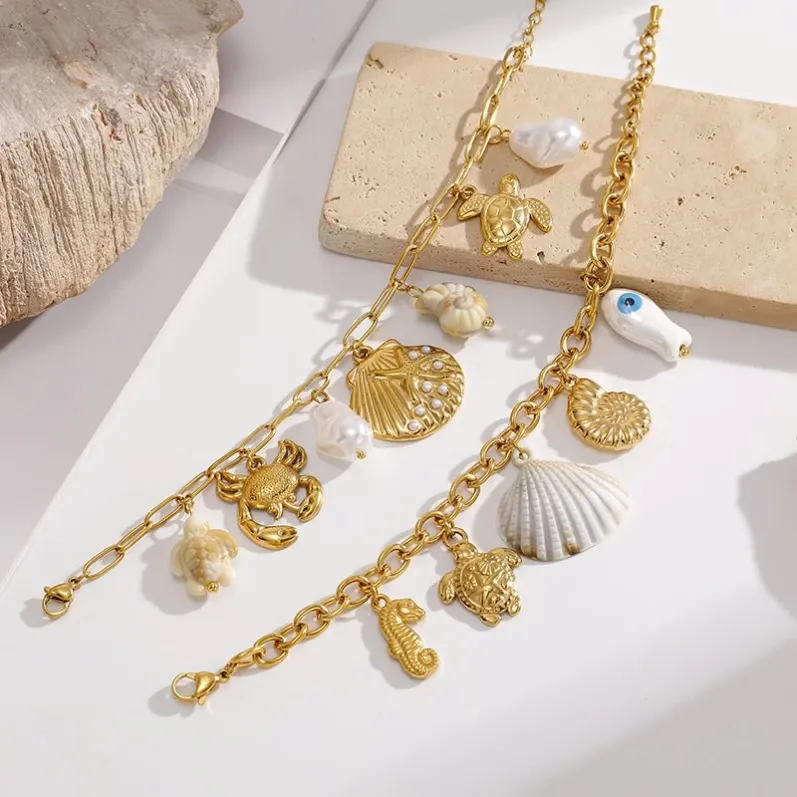
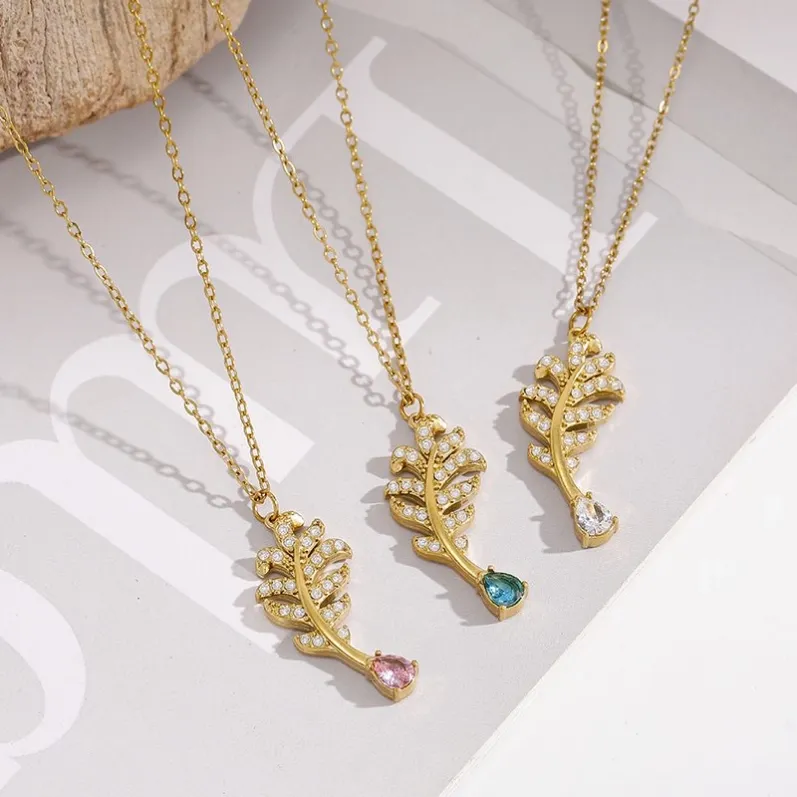
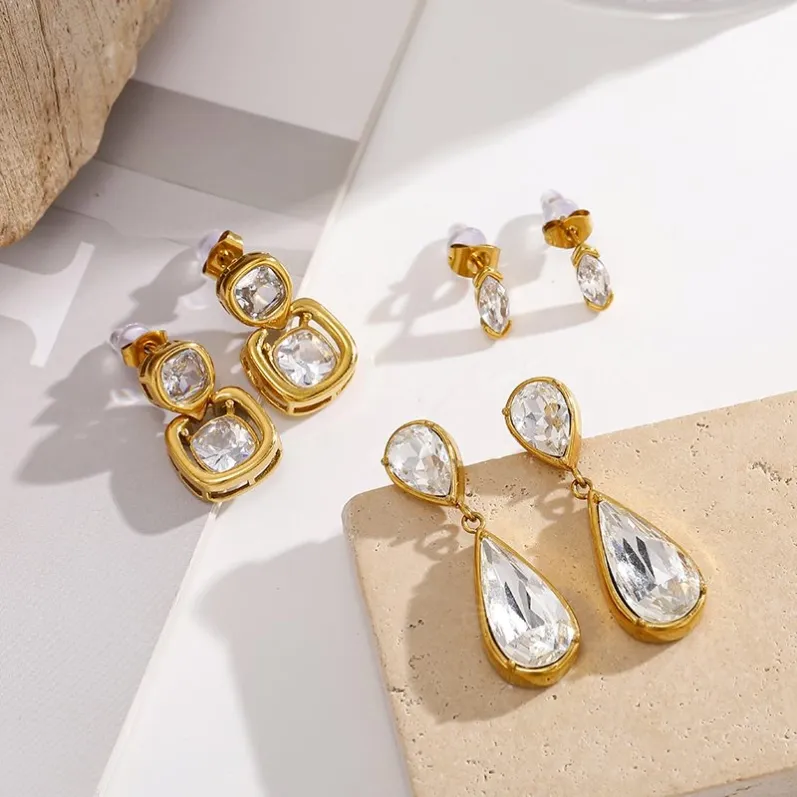
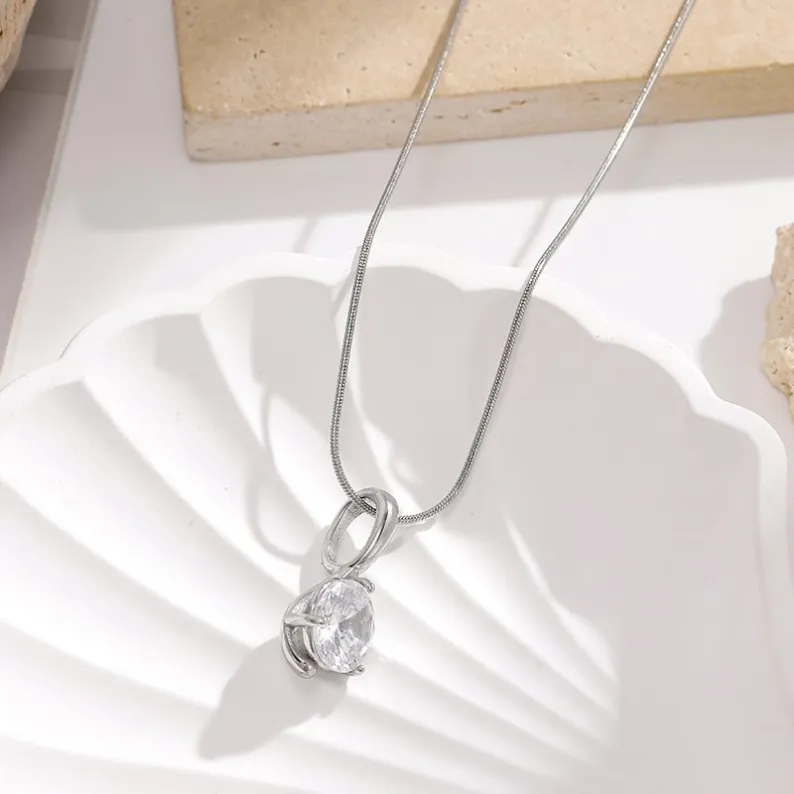
Short answer: yes — occasional swimming with stainless steel jewelry is fine, but chlorine is a harsher chemical than plain fresh water, and it is far harder on almost everything else in your jewelry box. If your collection is stainless steel, a pool afternoon needs no stripping-off ritual. If your collection includes silver, plated fashion pieces or anything with a brass base, the pool is a genuinely hostile place.
This guide explains what chlorine does to different metals, why stainless steel copes so well, and the one habit — rinsing afterward — that matters more than any other.
The Short Answer on Chlorine and Jewelry
Pool water is treated water. The chlorine that keeps a swimming pool sanitary is an oxidizer, added deliberately because it reacts with organic material. That reactivity does not stop at bacteria; it interacts with metal surfaces too. So the real question is never "does chlorine affect jewelry?" — it always does — but "how much, and how fast?"
For stainless steel, the effect of an occasional swim is small enough that you will never see it. For sterling silver, for copper alloys like brass, and for thin plating over base metals, repeated exposure produces visible dulling, discoloration and even surface corrosion within a single season of regular swimming. That tolerance gap is why waterproof steel designs — what waterproof jewelry is and how long it lasts explains the category — have become the default for swimmers.
Chlorine is a mild inconvenience for stainless steel and a slow wrecking ball for most other jewelry materials — which is why "can I swim with it?" depends almost entirely on what the piece is made of.
What Chlorine Actually Does to Jewelry
Three damage patterns matter.
Copper alloys come off worst. Brass and copper react with chlorinated water to form surface corrosion — the blue-green residue people blame on "cheap metal." That residue can also transfer to skin as greenish marks.
Silver dulls and darkens faster. Chlorinated water speeds up the surface reactions that turn polished silver gray and eventually near-black, so a chain that would normally need polishing in months can look tired after a few weeks of pool sessions.
Plated pieces lose their finish first at the edges. Thin electroplating over a base metal is a microscopic layer; chlorine attacks the base at pores and edges in the coating, clouding the surface and sometimes lifting the plating from underneath.
Material | Chlorine tolerance | What repeated pool exposure does |
|---|---|---|
316L stainless steel | High | Little visible change; a rinse-and-dry habit is enough |
PVD 18K gold plated steel | High | Color holds; abrasion, not chlorine, is what eventually wears it |
Gold plated brass | Low | Plating clouds and can lift; the base corrodes beneath the coating |
Sterling silver | Low | Tarnish accelerates; needs polishing after pool days |
Copper and brass alloys | Very low | Blue-green corrosion; residue can mark the skin |
The damage chlorine does is not random — it maps almost perfectly onto the metal: steel barely notices, silver darkens, plated base metals cloud, and copper alloys corrode.
Why Stainless Steel Handles Pool Sessions So Well
Stainless steel's resistance is chemistry, not luck. The chromium in the alloy reacts with oxygen to form an invisible, tightly bonded chromium oxide film across the entire surface. This passive layer blocks water and dissolved chemicals from reaching the metal underneath — and if it is scratched, it re-forms almost immediately in the presence of oxygen. Premium jewelry grades such as 316L add molybdenum, which improves resistance to the chlorides found in both pools and seawater.
Brass has no equivalent shield. Its reactive copper content sits exposed at the surface, which is why the same pool session that leaves steel untouched starts visible chemistry on a brass-based piece.
None of this makes steel magic. Years of daily exposure to concentrated pool chemicals, combined with abrasion, will mark any metal eventually. But for realistic use — holidays, a weekly swim, kids who refuse to take bracelets off — stainless steel is comfortably the most forgiving option.
The same self-repairing passive layer that lets 316L steel shrug off sweat and rain is what lets it sit through a pool afternoon without complaint.
The Rinse-After Rule
Here is the part most swimmers get wrong: chlorine does not stop working when you dry off. Water trapped in the crevices of a chain, under a ring band or behind an earring back keeps carrying dissolved chemicals against the metal for hours. You were in the pool briefly; the residue stays in contact far longer.
The fix costs thirty seconds. After swimming, rinse the jewelry under fresh, cool water and pat it dry with a soft cloth. That is the entire rule, and it applies doubly after the ocean, where salt crystals linger and keep attracting moisture.
Make the rinse automatic by attaching it to something you already do: the shower after the pool, the changing-room sink, the kitchen tap when you get home. Habits attached to existing routines survive; standalone intentions do not.
Most damage people blame on "swimming" is really "drying off and forgetting" — a quick fresh-water rinse removes the residue that would otherwise keep working on your pieces all afternoon.
Hot Tubs: Stronger Chemistry, More Heat
A hot tub is not just a warm pool: the water runs hot, sanitizer is typically managed harder because warm water consumes it faster, and heat accelerates every kind of chemical reaction, including the ones that act on metal. A half-hour soak therefore exposes jewelry to more aggressive conditions than a pool swim twice as long.
The practical advice: keep it short, or sit it out. Stainless steel survives the occasional hot tub session without ceremony — rinse afterward as always. But this is the one water context where even steel is better left in a dry spot poolside, especially rings and bracelets, which stay fully submerged for the whole soak.
Hot tub water is hotter, more chemically active and harder on jewelry than pool water — keep sessions short or leave the pieces poolside.
Pool Versus Ocean: Which Is Harder on Jewelry?
Salt water is the other great jewelry adversary, and the comparison is instructive. Chlorine and salt both attack reactive metals, and quality stainless steel shrugs off both. The difference is in how the damage arrives. Chlorine lingers invisibly, dissolved in crevice moisture, quietly working after you have dried. The ocean announces itself: salt dries into visible crystals, sand grinds against surfaces as an abrasive, and anything lost overboard is gone for good.
For salt-specific behavior — including why the rinse matters even more after a beach day — see our guide to stainless steel jewelry and swimming in the ocean. And if you are deciding what a swim-proof, wear-it-everywhere collection looks like, our everyday wear guide covers how steel handles constant contact with water and skin.
Whether you swim in chlorine or salt water, the metal matters more than the water — steel tolerates both environments, while silver, brass and thin plating struggle in either.
Frequently Asked Questions
Can I wear stainless steel jewelry in a chlorinated pool every day?
Daily swimming all summer is sustained chemical exposure plus constant abrasion, so honesty matters: steel will still outlast every other material in the box, but rinse and dry it daily and accept that any metal shows long-term wear eventually. Occasional swims leave no visible effect.
Will pool water turn my skin green?
Green marks come from copper alloys such as brass, whose corrosion residue transfers to skin. Stainless steel keeps no reactive copper at its surface, so it does not produce this effect. If a piece sold as steel turns your skin green, it is more likely brass with a steel-look coating.
Do I need to remove stainless steel jewelry before swimming?
For an occasional swim, no — that is the entire point of waterproof steel. For long pool sessions, hot tubs or daily swimming, removing pieces or rinsing immediately after is the smarter routine. The one non-negotiable step in every case is the fresh-water rinse once you are out.
Is a hot tub worse for jewelry than a swimming pool?
Yes, for three reasons: hotter water speeds up chemical reactions, sanitizer is usually run at stronger levels, and a soak submerges pieces continuously rather than intermittently. Stainless steel copes, but the sensible habit is shorter exposure or leaving jewelry in a dry, safe spot poolside.
What about plated jewelry in swimming pools?
It depends on the base metal. Thin plating over brass is the vulnerable case: chlorine attacks the base through pores in the coating, clouding or lifting it. PVD 18K gold plated stainless steel is a different construction — dense steel beneath a much tougher coating — which is why it tolerates pool water far better.
Wholesale Stainless Steel Jewelry from IVANDA
Looking for a reliable stainless steel jewelry supplier? IVANDA supplies 316L pieces with PVD 18K gold plating - waterproof, skin-friendly and made for everyday wear. MOQ 60 pcs per style, in stock and ready to ship, with OEM/ODM services for custom designs. Message us on WhatsApp or email sales01@ivanda-fa.com for the latest catalog and wholesale prices.