Stainless Steel Jewelry for Tennis and Racquet Sports
Can tennis players wear jewelry? How 316L stainless steel handles sweat, grip friction and impact on court, plus which pieces to keep on and take off.
Tennis punishes jewelry that sits where the game happens — rings on racket hands, bracelets on the wrist, chains loose on the chest — but 316L stainless steel pieces placed thoughtfully handle sweat, sun and friction better than almost any other material. The strategy is not giving up jewelry; it is choosing pieces that stay out of the grip and cleaning them properly after play.
Racquet sports are harder on accessories than most daily activities: hours of sweat, constant grip pressure, direct sun, and sudden impact from balls and frames. Here is what each piece actually faces on court, what can realistically stay on, and why stainless steel makes the whole conversation easier than it used to be.
Why the Court Is Hard on Jewelry
Four forces work on your pieces during a match or practice session.
Sweat. Salty moisture sits against metal for hours at a time. This is where material choice matters most: 316L stainless steel tolerates it easily, while soft plated alloys start to pit and discolor surprisingly fast under the same conditions.
Friction. Every shot presses your fingers into the grip. Rings get squeezed between bone and handle hundreds of times per session, and bracelet clasps dig into wrists on every serve and overhead.
Impact. Balls hit hands. Frames clash at the net. A ball striking a ring drives the band or a stone setting straight into the finger — painful in the moment, and worse if a thin band deforms from the hit.
Sun and heat. Metal left in direct sun gets uncomfortably warm, especially chains and rings picked up after a changeover. Heat does not damage stainless steel at all — it is a comfort issue, not a material problem.
A two-handed backhand turns rings on both of your hands into pressure points against the grip — that is the single most important placement to think about before a match.
What Each Piece Faces On Court
Piece | Main court risk | Practical verdict |
|---|---|---|
Rings | Grip pressure bends thin bands; ball strikes; heat swelling | Off for matches; flat bands only for casual rallies |
Bracelets and bangles | Clasps dig into the wrist on serves; scratches on frames | Leave in the bag |
Necklaces | Whip forward on overheads; chain burn under the collar | Short chains can stay, tucked |
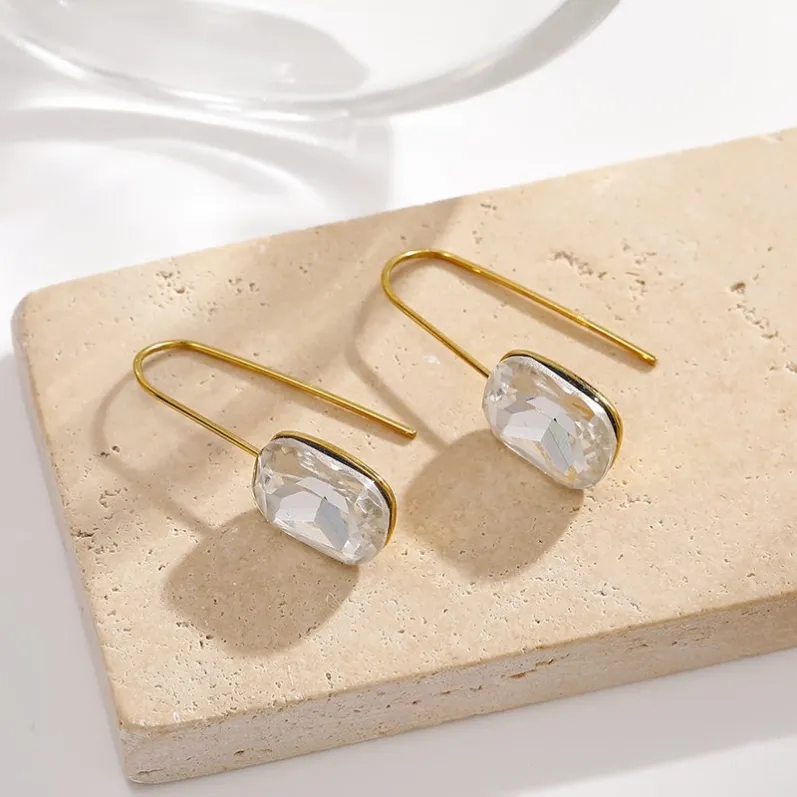
Stud earrings | Minimal interference; sit fine under sweatbands | Fine to keep on |
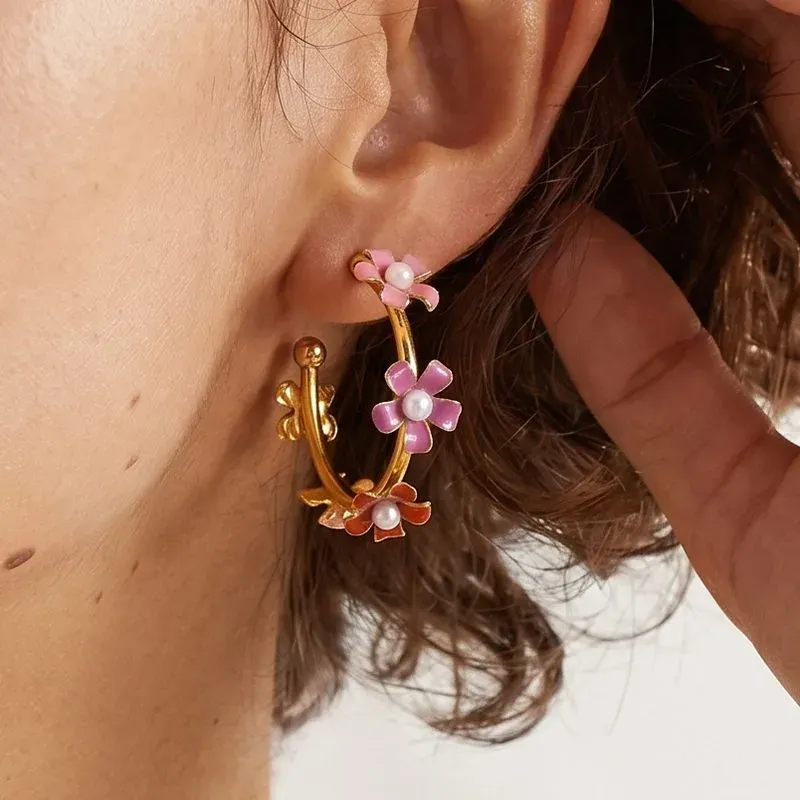
Hoops and dangles | Catch on towels, straps and racket swings | Take off |
Watches | Wrist bite on serves; scratched glass | Skip on match days |
The grip decides the rule: anything on your hands and wrists competes with the racket, while everything above the collar can usually stay.
Which Stainless Steel Pieces Can Stay On
Small studs. Flat studs sit inside the ear, survive sweatbands and headbands, and never catch on anything. They are the piece most players put in and never think about again for the rest of the session.
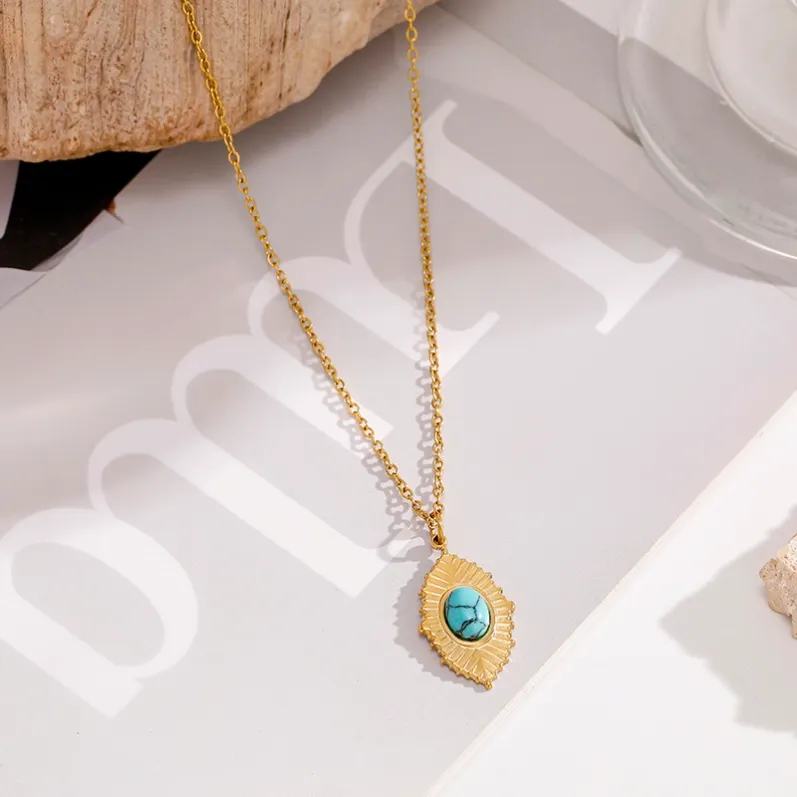
Short, light chains. A thin 316L chain tucked under a collar stays put through serves and sprints. Sweat does not tarnish it the way it attacks softer alloys, and a post-match rinse brings it back to looking new. Our guide to jewelry materials that do not tarnish explains why some metals shrug this off and others do not.
Flat bands, if you insist. For casual rallies, a smooth flat band without stones is the least risky ring to wear. For any serious session or competitive play, the locker wins — the same logic we apply in our guide to working out with stainless steel jewelry carries straight onto the court.
Gold-tone players, one honest note. PVD 18K gold plated stainless steel keeps its color through sweat and sun far better than soft plated fashion alloys, but no plating is permanent: after years of regular wear, friction and sweaty sessions, the tone gradually softens and fine wear marks appear on high-contact spots. Rotating pieces and rinsing after play slows that down; nothing fully stops it.
Choose pieces that sit still and sit close — studs, short tucked chains, smooth flat bands — and the court stops noticing your jewelry entirely.
Why Stainless Steel Handles Court Conditions
316L stainless steel is built around a chromium oxide layer that reforms itself after every scratch and rinse, which is why the metal does not rust or pit from sweaty sessions the way lesser alloys do. Water, sweat, sunscreen and a post-match shower are all routine weather for this material.
The maintenance story is just as short: rinse in warm water, dry with a soft cloth, done. There is no special care protocol for athletes — our guide on IVANDA jewelry for everyday wear covers how little attention these pieces actually demand from anyone who wears them daily.
If you want one material that treats sweat as ordinary weather, 316L stainless steel is the sensible default for anyone active.
A Simple Court Routine
Before play, decide what stays and what goes in the bag — thirty seconds with the table above settles it. During play, if a piece starts digging or distracting, remove it at the changeover instead of adjusting your grip around it. After play, rinse everything that stayed on, dry it, and give rings a quick check for dents and scratches. During tournament weeks, a weekly soap-and-soft-brush wash handles the accumulation a quick rinse misses.
Stage | Habit | Time |
|---|---|---|
Before play | Store rings and hoops in a pouch | 30 seconds |
During play | Remove anything that digs, at changeovers | 10 seconds |
After play | Rinse, dry, quick damage check | 1 minute |
Weekly | Mild soap, soft brush, full dry | 5 minutes |
Ten seconds of rinsing after a match does more for your jewelry than any product ever will.
Frequently Asked Questions
Quick answers on wearing jewelry for tennis players, from warm-up to match point.
Can tennis players wear rings during a match?
Most experienced players take them off. Between grip pressure, ball strikes and heat swelling, rings are the piece most exposed to both damage and discomfort, and many clubs and leagues discourage visible jewelry during competitive play for safety. For a casual rally with friends, a smooth flat band without stones is a reasonable compromise.
Is stainless steel jewelry good for sweaty sports?
Yes, and it is one of the best mainstream options. 316L stainless steel forms a chromium oxide layer that protects the metal from sweat, water and soap, so sessions that would pit or discolor soft plated alloys leave it untouched. Rinse it after play, dry it, and it looks exactly like it did before you stepped on court.
Will sweat ruin PVD 18K gold plated jewelry?
Sweat alone will not strip a properly bonded PVD finish, but years of regular sweat, friction and cleaning will gradually soften the tone — that is true of every plating, whatever the brand. Rinsing pieces after play, storing them dry and rotating between a few favorites noticeably stretches the life of the finish. Expect slow change over years, not damage in a season.
Can I wear a necklace while playing tennis?
A short, light chain tucked under your collar is usually fine — it stays put through serves and overheads and never meets the grip. Pendants and longer chains are a different story: they whip forward on overhead strokes, can leave a chain burn across the chest, and give you something to clip with your racket on a windy day.
How should I clean jewelry after playing tennis?
Rinse pieces in warm water to wash away salt and dust, add a drop of mild soap for anything that feels filmy, and dry with a soft cloth. During tournament weeks, a weekly soak followed by a soft brush along chain links and settings handles the buildup a quick rinse misses. Never store pieces damp in a zip bag overnight.
Wholesale Stainless Steel Jewelry from IVANDA
Looking for a reliable stainless steel jewelry supplier? IVANDA supplies 316L pieces with PVD 18K gold plating - waterproof, skin-friendly and made for everyday wear. MOQ 60 pcs per style, in stock and ready to ship, with OEM/ODM services for custom designs. Message us on WhatsApp or email sales01@ivanda-fa.com for the latest catalog and wholesale prices.