Oct 31, 2026
How to Care for Stainless Steel Jewelry with Gemstones
Stainless steel jewelry with gemstones: prong vs glue vs bezel settings, which stones tolerate water, and a cleaning routine that protects every stone.
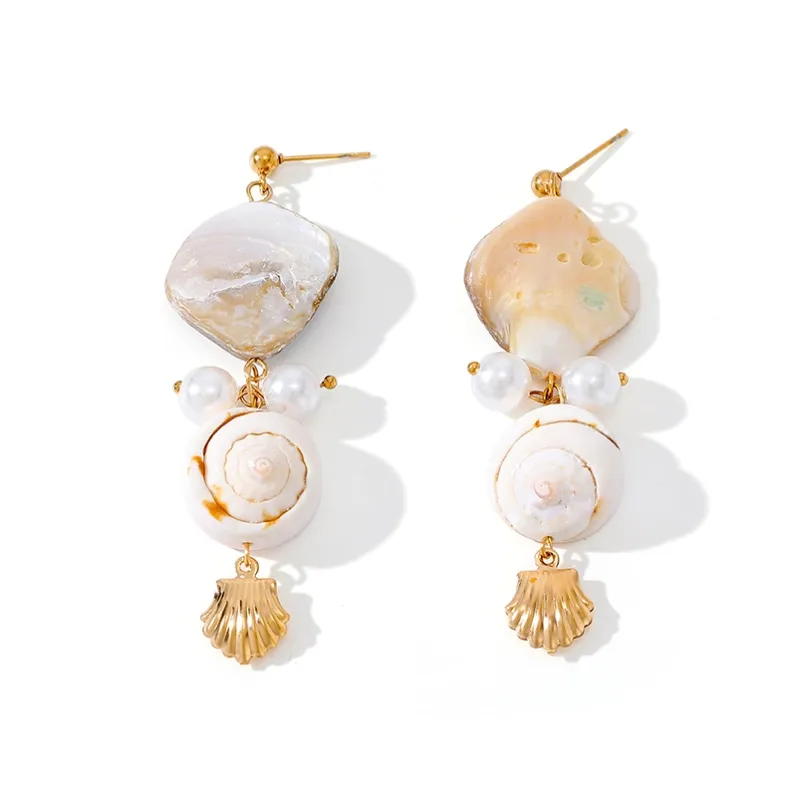
Stainless steel shrugs off water, soap and daily wear — but the gemstone set into it often cannot, and caring for stainless steel jewelry with gemstones means protecting the stone and its setting first, then the metal. The good news: with a routine split by setting type and stone type, keeping a gem-set steel piece bright is a five-minute job. This guide explains why the stone changes everything, how prong, glue and bezel settings differ, which stones tolerate water, and the cleaning steps that work for all of them.
Why the Metal Is Not the Problem
Steel's reputation for easy care is earned: it does not rust under normal wear, it tolerates shower water and handwashing, and it needs no polishing chemicals to stay bright. Care guides for plain steel jewelry can honestly end at "wash, dry, store."
Gemstones break that simplicity. Hardness varies enormously between stones, and softer ones scratch from contact with other jewelry. Porosity varies too: dense stones shrug off water, while porous and organic stones absorb liquids — along with whatever is dissolved in them. And many fashion jewelry stones are simulated or treated, with treatments sensitive to heat and chemicals in ways the raw stone is not.
So the rule flips: for plain steel, the metal is the whole care story. With a stone set into it, the stone writes the rules — and the setting enforces them.
Takeaway: steel survives nearly anything you do to it — the stone set into it decides what your jewelry can survive.
Settings Change Everything: Prong vs Glue vs Bezel
How a stone is attached determines how much water and handling it tolerates:
Setting | How it holds the stone | Weak point | Cleaning approach |
|---|---|---|---|
Prong | Metal claws grip the stone's edge | Gaps under the stone trap moisture; claws can loosen | Damp cloth; soft brush between prongs; dry thoroughly |
Glue (adhesive) | Stone bonded into a recess | Soaking and warm water soften adhesive | Wipe only — never soak, never steam |
Bezel | A metal rim wraps the stone's edge | Most protected, but water can sit beneath the seat | Brief rinses fine; dry fully afterward |
Prong settings leave the stone's sides exposed to light — flattering, but the gaps collect lotion film, and the claws deserve an occasional fingertip check: if a stone wiggles, stop wearing the piece and have it re-set before a claw fails.
Glue settings are the most common in fashion jewelry and the most care-sensitive. Adhesives degrade with heat, prolonged moisture and solvents — which is why the advice for glued stones is blunt: keep them dry, wipe them clean, and remove the piece before showering, swimming or hot tubs. Perfume and hairspray are solvents too; they belong on skin before jewelry goes on.
Bezel settings are the workhorses: the metal rim shields the stone's edge from knocks and keeps water out of the seat better than prongs do. Even a bezel should be dried after washing, though — moisture lingering under the stone dulls it over time.
Takeaway: glued stones never soak, pronged stones get gentle brushing, bezel stones handle the most — check the setting before you check the stone.
Which Gemstones Tolerate Water?
For stainless steel jewelry with gemstones, water tolerance is the dividing line between "rinse it" and "wipe it only":
Stone | Water safe? | Notes |
|---|---|---|
Cubic zirconia | Yes | Handles rinsing; dry to prevent water spots |
Quartz family (amethyst, citrine) | Brief water | Fine in a quick wash; avoid long soaks and chemicals |
Garnet | Brief water | Wipe-dry after cleaning |
Sapphire and ruby (incl. lab-created) | Yes | Hard stones; tolerate rinsing, dry after |
Topaz | Brief water | Avoid ultrasonic machines and steam |
Turquoise | No | Porous — absorbs water and chemicals; can discolor |
Malachite | No | Porous and soft; wipe only |
Opal | No | Contains natural water; soaking can cause cracking |
Pearls (incl. simulated) | No | Organic or coated surfaces harmed by water and chemicals |
Amber | No | Soft organic resin; wipe with a barely damp cloth |
Two honest cautions for fashion jewelry. First, many stones sold in steel settings are simulated versions of the real thing, and simulants do not always share the original's water tolerance — when you cannot confirm what a stone is, default to the gentlest method: wipe, don't soak. Second, dyed stones can fade or bleed with moisture, which is another argument for wiping over washing. For a closer look at which stone-and-steel combinations wear best, see our guide to stainless steel jewelry with gemstones.
Takeaway: hard, dense stones tolerate a quick rinse; porous, organic, dyed or simulated stones get a cloth and nothing wetter.
A Safe Cleaning Routine, Step by Step
This routine works for nearly every gem-set steel piece, with the water table above deciding how wet you get:
- Dry dust first. Wipe with a soft dry cloth — grit is what scratches stones during wet cleaning.
- Prepare the wash. Lukewarm water plus one drop of mild dish soap. Never hot water: heat stresses glue and can shock treated stones.
- Damp-wipe, don't soak. Dip a soft cloth in the solution, wring it well, and wipe the metal and around the stone. Soaking is where caring for stainless steel jewelry with gemstones goes wrong.
- Detail the setting. For prong or bezel settings with water-safe stones, a soft baby toothbrush brushed gently around the stone lifts grime from crevices. Skip the brush entirely on glued settings.
- Rinse by cloth. Wipe again with a clean, well-wrung cloth of plain water instead of running the piece under a tap.
- Dry immediately and fully. Use a lint-free cloth, with extra attention to the seam where stone meets metal — trapped moisture dulls stones.
Skip ultrasonic cleaners for anything glued, organic, porous, dyed or simulated — which covers most fashion jewelry. Even for hard stones in bezels, ultrasonic machines are a jeweler's tool, not a home habit; the manual method above reaches everything that needs reaching.
PVD 18K gold plated steel pieces with stones follow the same routine, with one honest expectation: the plating is a surface treatment that holds its color for years, but it can soften first at edges and contact points over long-term wear. Gentle, infrequent wet cleaning keeps that timeline long.
Takeaway: dry dust, damp wipe, detail, dry — and treat "no soaking" as the single rule that saves glued stones from an early retirement.
Everyday Habits That Protect Stones
- Last on, first off. Perfume, hairspray and lotion go on before jewelry; jewelry comes off before showering, swimming, the gym and sleep — glued stones especially.
- Chlorine is nobody's friend. Pool and hot tub chemicals are harsh on adhesives and porous stones alike; even plain steel benefits from a rinse after swimming.
- Store stones apart. A hard stone knocking against steel scratches one of them every time; soft pouches or separate compartments prevent it. Our jewelry storage guide covers setups that keep pieces looking new.
- Check settings monthly. A two-second fingertip check for wiggle catches loose stones before they fall out.
- Clean plain steel pieces separately. Metal-only chains and bands tolerate more vigorous cleaning — our guide to cleaning tarnished stainless steel jewelry covers restoring dulled steel.
Takeaway: gem-set steel jewelry asks for habits, not effort — keep chemicals off it, keep it dry, store it apart, and check the setting once a month.
Frequently Asked Questions
Quick answers on caring for stainless steel jewelry with gemstones.
Can I shower with stainless steel jewelry that has gemstones?
The steel part does not mind shower water, but the stone and setting might. Bezel-set, water-tolerant stones generally shrug off an occasional shower; glued stones should not meet shower water regularly, because warmth and moisture slowly weaken the adhesive. The safest habit: remove bejeweled pieces before showering and enjoy steel's water tolerance on plain metal pieces instead.
How do I clean a glued-in gemstone?
Wipe only. Use a soft cloth barely dampened with lukewarm water and a drop of mild soap, wrung almost dry, and clean around the stone without letting liquid pool at the glue line. Dry immediately with a soft cloth. Never soak the piece, never use steam, and keep perfume and hairspray away — solvents attack the adhesive directly.
Are ultrasonic cleaners safe for gemstone steel jewelry?
Only for hard, water-safe stones in bezel settings — and even then, treat ultrasonic machines as a jeweler's option, not a home habit. Never use them on glued settings, where vibration and heat work the adhesive loose, or on porous, organic, dyed and simulated stones, which can discolor or crack. The manual damp-wipe routine is the safe choice at home.
Why has my gemstone lost its shine?
Usually film, not damage. Soap residue, skin oil and lotion build up on stone surfaces and in setting crevices, scattering light the way a fingerprint on glass does. A gentle clean with the damp-wipe method, followed by a careful dry polish with a soft cloth, usually restores it. If shine stays dull, the polish may be worn — a jeweler can assess re-polishing.
How should I store gemstone stainless steel pieces?
Individually, in soft pouches or separate compartments, so stones never touch other metal — harder stones scratch softer ones, and steel edges scratch almost anything organic. Keep them in a cool, dry drawer away from bathroom humidity and direct sunlight. Pieces you rotate benefit from a quick dry wipe before storage so oils do not sit on the stones.
Wholesale Stainless Steel Jewelry from IVANDA
Looking for a reliable stainless steel jewelry supplier? IVANDA supplies 316L pieces with PVD 18K gold plating - waterproof, skin-friendly and made for everyday wear. MOQ 60 pcs per style, in stock and ready to ship, with OEM/ODM services for custom designs. Message us on WhatsApp or email sales01@ivanda-fa.com for the latest catalog and wholesale prices.