Stainless Steel Jewelry Under a Swimming Cap: Safe?
Can you wear jewelry under a swimming cap? How studs, hoops and chains fare under silicone and latex caps, and how 316L steel handles chlorine.
Jewelry under a swimming cap is mostly a friction and fit question, not a water question — 316L stainless steel handles pool water without complaint, but a silicone or latex cap stretched tight over your ears turns every sharp edge, hoop and loose earring back into a pressure point worth sorting out before you swim.
Swimming caps are tighter than most people expect. A cap that stays on through push-offs grips by pressing against your head, and anything between the cap and your scalp — hair, goggle straps, earrings — gets squeezed into that seal for the whole session. So the real question is not whether the metal survives the pool, but whether cap pressure and your particular pieces combine comfortably, safely for your ears, and kindly for the cap itself.
What a Swimming Cap Does to Jewelry
A cap creates three conditions at once: constant pressure, repeated friction, and a warm humid microclimate trapped against your skin. Pressure matters most for earrings, because the silicone or latex presses flat against the ear and does not care whether a hoop is in the way. Friction comes from every small adjustment — caps get tugged and repositioned several times a session, and each tug drags across anything that sticks out.
Condition under the cap | What it does | Which pieces feel it |
|---|---|---|
Constant pressure | Presses flat against ears and scalp | Studs sit fine; protruding pieces take the load |
Repeated friction | Drags across jewelry during adjustments | Hoops, dangly earrings, raised designs |
Trapped heat and moisture | Loosens earring backs over a session | All pierced earrings |
Snag points | Catches cap fabric and stray hairs | Chains, charms, openwork designs |
Pressure and friction — not water — decide what jewelry can live under a swim cap; anything that sits flush survives easily, and anything that sticks out fights the cap all session.
There is a fourth effect people forget: the cap itself. Latex in particular is thin, and a sharp earring back pressed against the same spot all session can be the reason a cap starts tearing months before it should.
The Water Is the Easy Part
Pool water is the part swimmers worry about and the part that deserves the least worry. 316L stainless steel is built around a chromium oxide layer that re-forms on its own after contact with water, which is why the material became the default for pieces people wear into showers and pools. Chlorine is a stronger chemical than plain water, but at pool concentrations it sits well within what 316L shrugs off. The same is not true of cheap plated fashion metals — chlorine attacks the base alloys underneath thin plating, which is why bargain-brand earrings sometimes come out of a pool week dotted with rust. Our guide to what 316L means on jewelry stamps walks through the alloy in plain language.
A PVD 18K gold plated piece deserves one honest sentence here: it holds its color through years of daily wear, far longer than soft plated fashion alloys, yet years of chlorine, friction and sunscreen gradually soften the tone slightly at high-contact points. The steel underneath never stops being waterproof — our guide to waterproof jewelry and how long it lasts covers what waterproof honestly means across a piece's life.
Pool water is a non-event for 316L stainless steel — the fit and friction of the cap are what decide whether jewelry under a swimming cap is a good idea.
Earrings Under a Cap: What Works and What Doesn't
Earrings are the pieces that actually live under the cap, so this is where the practical choices get made.
Earring type | Under a swim cap | Notes |
|---|---|---|
Flat studs | Stays comfortably | The cap presses over them; nothing catches |
Studs with butterfly backs | Mostly fine | Check the backs are tight before swimming |
Hoops | Remove first | Grips the ring; every adjustment tugs the piercing |
Dangling earrings | Remove first | Fold, twist and can tear the cap from inside |
Fresh piercings | Follow your piercer | Do not remove healing jewelry just to fit a cap |
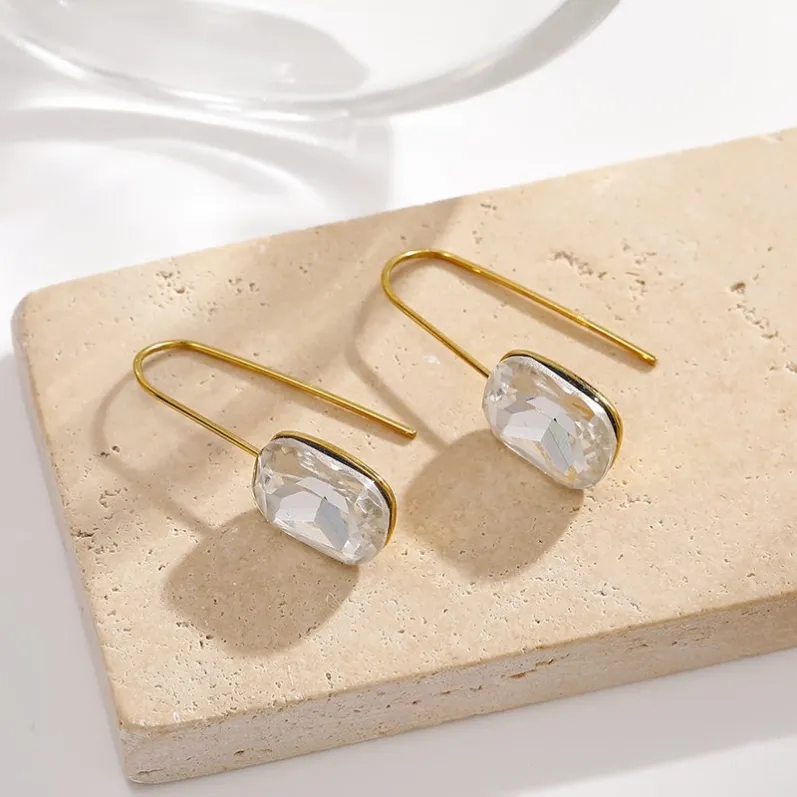
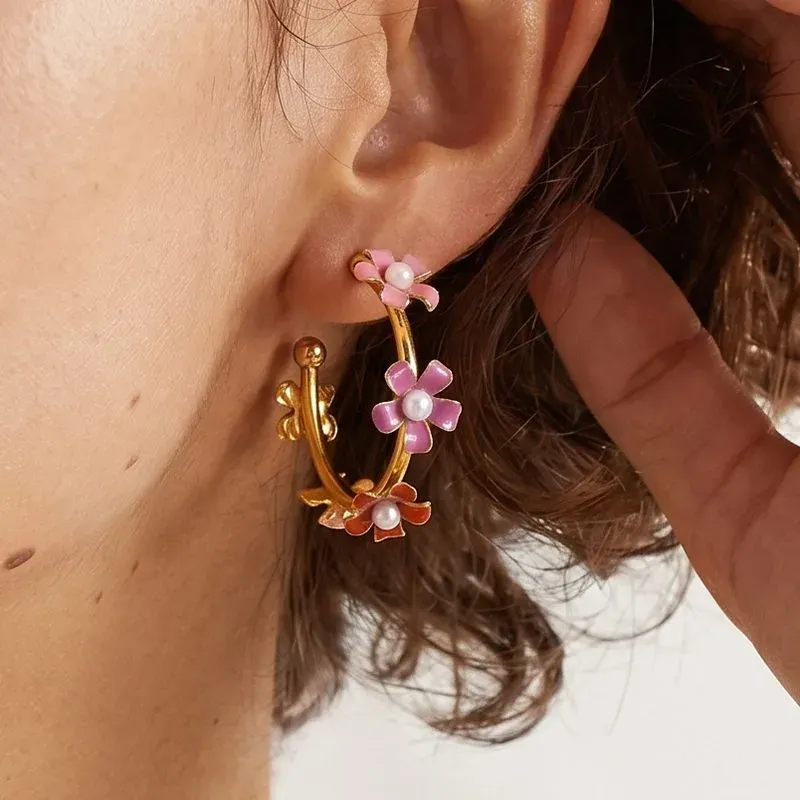
Studs are the clear winners. A smooth flat stud sits level with the skin, the cap presses harmlessly over it, and there is nothing for cap fabric or stray hairs to catch on. Hoops are the opposite: the cap slides over the ring, grips it, and tugs the piercing with every reposition. Dangly styles should never go under a cap at all.
One small habit matters more than the style itself: check the backs. Heat and moisture soften the skin around a piercing, and a butterfly back that felt tight at home can work loose mid-session. A back lost at the bottom of a pool is effectively a lost earring — nobody is finding that one.
Flat studs go under a cap without a second thought; hoops and dangles come off first, and a loose back is how earrings get lost mid-lap.
Necklaces, Bracelets and Rings During a Swim
The cap only covers the head, so everything else skips the pressure zone — but swim sessions still involve goggle straps, kickboards and pool walls. A short chain sits under goggle straps without trouble, though a pendant can swing forward during turns. Bracelets and rings are fine in the water itself; 316L does not care about chlorine at pool strength.
The one combination worth thinking about is rings plus grip work — pushing off walls, climbing wet ladder rails. A ring pressed against wet metal is a scratch risk for both surfaces, and fingers swell slightly in warm water, so a band that spins freely on land can feel snug after an hour. None of this is a reason to empty your jewelry box before a casual swim; it is a reason to spend five seconds on what is on your hands before a training session.
Everything below the neck swims fine in 316L — the only judgment calls are swinging pendants during turns and rings meeting wet metal rails.
The After-Swim Routine That Keeps Everything Bright
Post-swim care takes two minutes and does most of the work of keeping pieces looking new. Rinse everything in fresh water at the showers — that clears chlorine residue along with the sunscreen that pool days always involve. Then dry with a soft cloth instead of letting pieces air-dry in a damp bag, where water spots and dullness start.
Every few weeks during swim season, give everything a proper clean: warm water, a drop of mild soap, a soft brush along the backs of earrings where skin and product residue collect, then a thorough dry. If a piece has already lost some brightness, our guide to cleaning tarnished stainless steel jewelry brings the finish back without harsh chemicals. Earrings deserve one extra step — dry the earlobes too, since water trapped between stud and skin for hours is what irritates ears, not the metal.
A two-minute rinse and dry after every session does more for your jewelry than any pre-swim ritual, and it costs nothing.
Frequently Asked Questions
Quick answers on jewelry under swimming cap rules, from ear protection to chlorine.
Can I leave stud earrings in while wearing a swim cap?
Yes — smooth flat studs are the one earring style designed to disappear under a cap. The silicone presses flat over them, nothing catches, and the pressure causes no trouble for healed piercings. Make sure the backs are secure before you swim, because heat and moisture can work a loose back free mid-session, and a back lost in the pool stays there.
Does chlorine damage stainless steel jewelry?
Not at pool concentrations. 316L stainless steel carries a chromium oxide layer that protects the alloy from water and chlorinated water alike, and it re-forms on its own after exposure. The metal sits through years of swim sessions without rusting or pitting. Cheap plated fashion metals are the different story — chlorine creeps under thin plating and attacks the base alloy, which is where rust dots come from.
Can I swim in PVD 18K gold plated jewelry?
You can, with realistic expectations. A PVD 18K gold plated finish is far tougher than soft electroplating and holds its color through years of pool days and showers, but chlorine, friction and sunscreen slowly soften the tone at high-contact points over a long period. The stainless steel underneath is unaffected. Rinse in fresh water after swimming and the finish lasts as long as it honestly can.
What about a fresh piercing and swim practice?
Follow your piercer's guidance first — most healing piercings should not have jewelry removed early on, which means the piece goes under the cap as it is. Choose a smooth flat stud if the style allows, keep cap adjustments from snagging it, and rinse the ear with fresh water after the session. Dry the lobe fully so water never sits trapped against the skin overnight.
Why do my earrings feel loose after swimming?
Two things happen in the water: warm trapped moisture softens the skin around the piercing, and repeated cap adjustments tug at the earring backs. By the end of a session, a back that felt tight on land can have loosened noticeably. Check and tighten every back before swimming, and keep spare rubber backs in your swim bag — the cheapest insurance in jewelry.
Wholesale Stainless Steel Jewelry from IVANDA
Looking for a reliable stainless steel jewelry supplier? IVANDA supplies 316L pieces with PVD 18K gold plating - waterproof, skin-friendly and made for everyday wear. MOQ 60 pcs per style, in stock and ready to ship, with OEM/ODM services for custom designs. Message us on WhatsApp or email sales01@ivanda-fa.com for the latest catalog and wholesale prices.