Oct 31, 2026
Can You Wear Stainless Steel Jewelry with a Suit?
Yes — jewelry with a suit works when kept minimal. Match metal to suit color, use steel tie bars and studs, and follow restraint rules for events.
Yes — stainless steel jewelry works with a suit, as long as every piece reads as a deliberate accent rather than a statement. The metal's clean, architectural look suits tailoring: it does not shout, holds a polish, and slim profiles sit flat against cuffs and lapels. The skill is knowing which tones suit which colors, which pieces replace traditional formal accessories, and where restraint begins when wearing jewelry with a suit.
The Short Answer: Minimal, Matched, Quiet
Three rules cover almost every situation:
- Minimal — two to three pieces in total, slim and simple.
- Matched — every visible metal shares one tone: all silver-tone steel, or steel with PVD 18K gold plated accents in one consistent finish.
- Quiet — nothing that jingles, dangles or catches light when you shake hands.
A steel dress watch, a slim tie bar and small stud earrings pass every boardroom and wedding test. A chunky chain over an open collar does not belong with tailoring — the suit already supplies structure, so jewelry with a suit should supply punctuation, not extra sentences.
Takeaway: with a suit, jewelry succeeds when it looks intentional — keep the count low, the tones consistent, and the movement zero.
Matching Metal Tones to Suit Colors
Suit color decides which metal tone reads as "considered" rather than random:
Suit color | Best steel tone | Why it works |
|---|---|---|
Charcoal or black | Polished or brushed silver-tone steel | Cool metal against cool grey-black reads classic and sharp |
Navy | Silver-tone steel or PVD 18K gold plated | Navy flatters both — steel for business, warm tone for evenings |
Mid to light grey | PVD 18K gold plated accents | Warm metal lifts lighter grey |
Brown, olive, earth tones | PVD 18K gold plated | Warm suiting pulls warm metals; steel looks stark against brown |
Black tie and formal evening | Minimal polished steel | Quiet shine; nothing competes with the dress code |
One consistency rule outranks the rest: match jewelry to your watch, the largest metal on the body. A steel case means silver-tone steel; warm hardware means PVD 18K gold plated pieces in a similar finish. Mixed tones read as oversight in formal contexts, however deliberate the intention.
Takeaway: cool suit colors favor silver-tone steel, warm colors favor PVD 18K gold plated pieces — and your watch decides the tone before your suit does.
Steel Alternatives to Traditional Suit Accessories
Traditional formal accessories have always been metal-first, and steel versions do the same jobs with a cleaner finish:
- Tie bar: the easiest win. A slim brushed-steel bar sits between the third and fourth shirt buttons, holding the tie to the placket while quietly signaling polish. Skip oversized bars — about a third of the tie's width is the proportion tradition expects.
- Cufflinks: strictly for French-cuff shirts, whose sleeves turn back to show a closed barrel. Geometric steel cufflinks — squares, bars, minimal knots — read professional without novelty gimmicks. Standard shirt buttons mean no cufflinks.
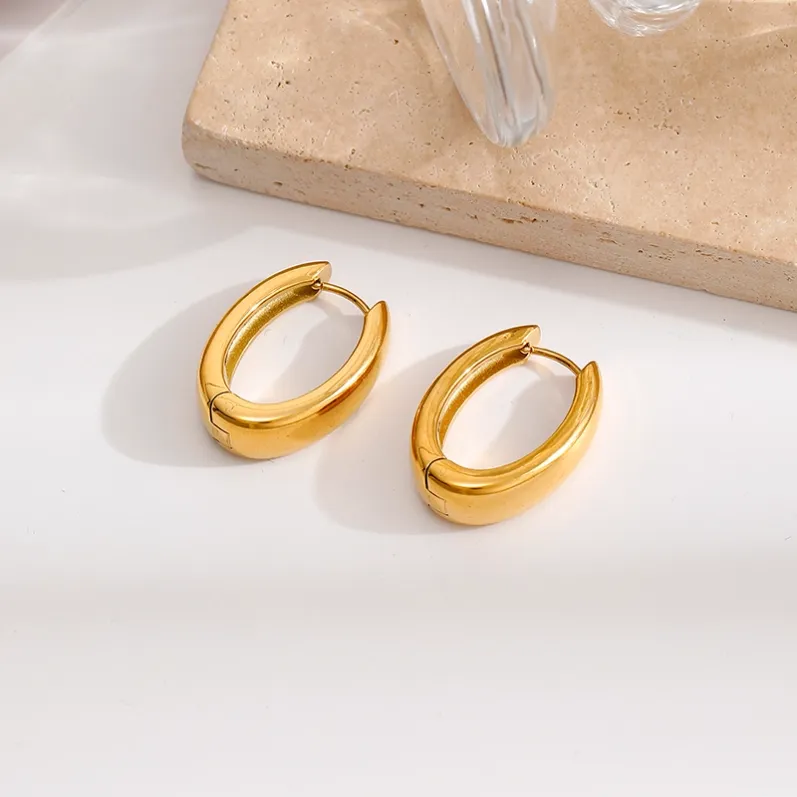
- Earrings: small steel studs or slim hoops work with tailoring. Keep them below the light-catching threshold — a glint, not a sparkle. Our stainless steel earring styles guide ranks shapes by formality.
- Rings: one slim band or a classic signet reads formal; stacks do not.
- Necklaces: with an open collar, a thin steel chain works at business-casual level, worn inside the shirt or just visible. With a tie, skip it — chains tangle with the knot and rarely show anyway.
Takeaway: the tie bar is the highest-value steel accessory for a suit — one small piece doing functional work and style work at the same time.
Silver Steel or PVD 18K Gold Plated: Choosing for the Occasion
Both tones pass with a suit; occasion decides which leads. Business, interviews, boardrooms: silver-tone steel reads neutral and lets the tailoring lead — the default when unsure. Weddings, dinners, celebrations: PVD 18K gold plated pieces come alive under evening light and pair warmly with navy, grey and earth-tone suits. Smart-casual and creative settings: one warm accent against a steel base works — a single PVD 18K gold plated ring beside a steel watch — if each metal stays consistent in finish.
One honest note on plated finishes: quality PVD 18K gold plating holds its color through years of occasional wear, but it remains a surface treatment. High-friction zones — ring edges, clasp tails, the underside of a tie bar — can soften first. Buy plated pieces for the occasions where they shine, and check contact points rather than expecting the finish to behave like solid metal forever.
Takeaway: silver-tone steel is the safe default for business; PVD 18K gold plated earns its place at evening events — choose by occasion and keep each metal consistent.
Restraint Rules for Formal Occasions
Formal settings — weddings, ceremonies, client meetings, black tie — reward restraint more than any other context:
Occasion | Wear | Leave at home |
|---|---|---|
Business meeting or interview | Watch, tie bar, small studs; one ring at most | Bracelets, necklaces, anything dangling |
Wedding guest, daytime | Watch or bracelet (not both), tie bar, studs | Chunky chains, multiple rings |
Black tie | Minimal polished steel pieces only | Everything that moves, glitters or makes noise |
Client dinner | Watch, tie bar, one accent piece | Stacked bracelets, novelty cufflinks |
Run practical tests before leaving: shake hands — does anything jingle or slide? Type — does a bracelet clack? Cross your arms — does a cufflink catch the shirt? Formal settings involve many handshakes, raised glasses and photographed close-ups, so jewelry with a suit must survive all three. As dress codes tighten, earring choice matters more: small studs disappear into formality, large hoops fight it, and a secure low-profile back keeps studs flat.
Takeaway: pass the handshake test — if jewelry makes noise, slides around or demands attention during a greeting, it fails formal wear.
After the Event: Keeping Formal Pieces Sharp
Three habits keep steel pieces event-ready: wipe them with a soft cloth after wearing; store each piece separately in a pouch; and give steel a proper clean the week before a big event rather than discovering dullness an hour before. Our guides to cleaning stainless steel jewelry and storing jewelry so it stays like new cover both routines.
Takeaway: formal pieces are judged at full shine — clean before the event, store separately after it.
Frequently Asked Questions
Quick answers on wearing stainless steel jewelry with a suit.
Can I wear a necklace with a suit?
Yes, with conditions. With a tie, skip it — the chain tangles with the knot and rarely shows anyway. With an open collar and no tie, a thin steel chain with a small pendant works at business-casual level; keep it inside the shirt or just visible at the collar, never swinging or pendant-heavy.
Is PVD 18K gold plated jewelry appropriate for formal events?
Yes, especially at evening events, where warm metal catches low light beautifully. Apply the same restraint rules as steel: slim profiles, consistent finishes, tones matched to your watch hardware. Quality PVD plating keeps its color for years of occasional wear, though contact points can soften first, so check the edges before a big event.
How many pieces of jewelry are too many with a suit?
Use the three-point rule: a watch plus up to two other pieces, spread across zones. A watch, tie bar and studs fill three zones and pass everywhere. Beyond three points, jewelry competes with the suit's own structure — lapel roll, tie knot, turned-back cuff — which already supply visual detail.
Can earrings work with formalwear?
Yes. Small steel studs are the safest formal earrings and work with every dress code; slim small hoops come second. Nothing should dangle past the jawline, jingle, or demand attention, and a secure low-profile back keeps the stud sitting flat through a long evening. For shape-by-shape rankings, see our stainless steel earring styles guide.
Should my watch and other jewelry match?
Yes — tone matching is the most visible styling rule in tailoring. The watch is the largest metal piece you wear, so let it set the tone: a steel case means silver-tone steel jewelry, and warm hardware means PVD 18K gold plated pieces. Mixed tones read as oversight rather than style in formal contexts.
Wholesale Stainless Steel Jewelry from IVANDA
Looking for a reliable stainless steel jewelry supplier? IVANDA supplies 316L pieces with PVD 18K gold plating - waterproof, skin-friendly and made for everyday wear. MOQ 60 pcs per style, in stock and ready to ship, with OEM/ODM services for custom designs. Message us on WhatsApp or email sales01@ivanda-fa.com for the latest catalog and wholesale prices.