Oct 31, 2026
Stainless Steel vs Carbon Fiber: Beyond Rings
Stainless steel vs carbon fiber beyond rings: weight, durability, looks and cost, plus how both materials work in bracelets, pendants and mixed designs.
Stainless steel and carbon fiber meet most often in rings, but the more useful comparison happens everywhere else: bracelets, pendants, chains, and mixed-material designs that pair the two in one piece. One is a metal, the other a woven composite — completely different personalities in jewelry. This stainless steel vs carbon fiber guide compares weight, durability, appearance and cost, then looks at how each material performs beyond the ring box.
Carbon fiber entered jewelry through wide-band statement rings and stayed: it now shows up in inlay bracelets, pendant plates on steel chains, and hybrid designs with a steel frame around a carbon fiber core. Stainless steel remains the workhorse of fashion jewelry — produced at scale, in more styles than any other accessible material.
Weight: The First Difference You Notice
Carbon fiber composites weigh roughly a fifth of what the same volume of stainless steel does, and you feel it immediately. A wide carbon fiber bracelet sits almost unnoticed; a solid steel cuff of the same size has real presence. Neither feel is wrong:
Feel | How it behaves | Suits wearers who |
|---|---|---|
Weightless | Carbon fiber: barely-there comfort even in chunky designs | Forget they are wearing jewelry |
Solid | Stainless steel: noticeable heft that reads as substance | Like jewelry they can feel; want pieces that hold position |
Weight matters most in bracelets; pendant chains carry more load than plates, which is why carbon fiber pendants are almost always paired with steel chains.
Takeaway: carbon fiber disappears on the body; stainless steel announces itself — choose based on whether you want to feel your jewelry.
Durability: Scratches, Cracks, and How Each Ages
Stainless steel is tough the way metals are tough: it scratches, but scratches can be polished out; it dings, but it bends rather than breaks. Clasps and links hold up to years of daily wear, and a tired steel piece can usually be restored rather than replaced.
Carbon fiber is strong along its weave but behaves like a hard composite, not a metal. It shrugs off everyday scrapes, yet a sharp knock or a drop onto tile can chip the resin or crack a thin section — damage that cannot be polished away. For rough daily wear, steel is the lower-risk choice: its failure mode is a scuff, not a crack.
Takeaway: steel damages gradually and repairably; carbon fiber stays pristine until the one impact that chips or cracks it.
Appearance: Woven Black vs Metal Finishes
The two materials look nothing alike, which is why designers combine them. Carbon fiber shows its signature weave — a geometric pattern with depth that shifts as light moves across it — in a palette that is essentially black, glossy or matte, with a technical character no metal can imitate. Stainless steel offers the widest finish range in accessible jewelry: mirror polish, brushed satin, matte bead-blast, and color through PVD 18K gold plating. Steel is also the chameleon in mixed designs: a polished bezel makes an inlay pop; a brushed backdrop makes the weave read darker.
Takeaway: carbon fiber offers one unforgettable look; stainless steel offers a whole wardrobe of finishes, including PVD 18K gold plated options.
Cost: What You Are Actually Paying For
Prices vary widely by brand, so the useful comparison is cost logic, not numbers. Carbon fiber parts are built by hand — fibers laid into molds, resin added, then cured under heat and pressure. The process is slow and does not scale like metal casting, so a carbon fiber piece typically costs more than a similarly sized steel design: a premium on process, not on longevity.
Stainless steel benefits from decades of manufacturing maturity: the same alloy and finishing equipment produce consistent results at volumes that keep unit costs low and collections broad. That is why steel dominates everyday jewelry — and why the steel piece is usually the one still looking good after years of daily wear.
Takeaway: carbon fiber costs more because it is slow to make; stainless steel costs less because decades of manufacturing have made it efficient.
Beyond Rings: Bracelets, Pendants, and Mixed Materials
Each jewelry form favors the materials differently:
Form | Stainless steel's role | Carbon fiber's role | What mixed designs do |
|---|---|---|---|
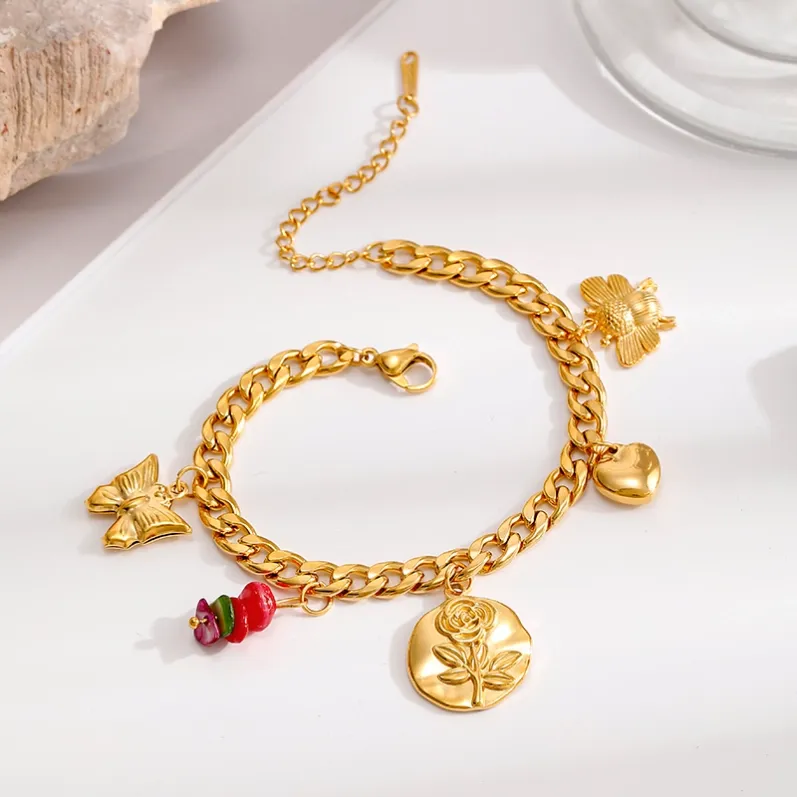
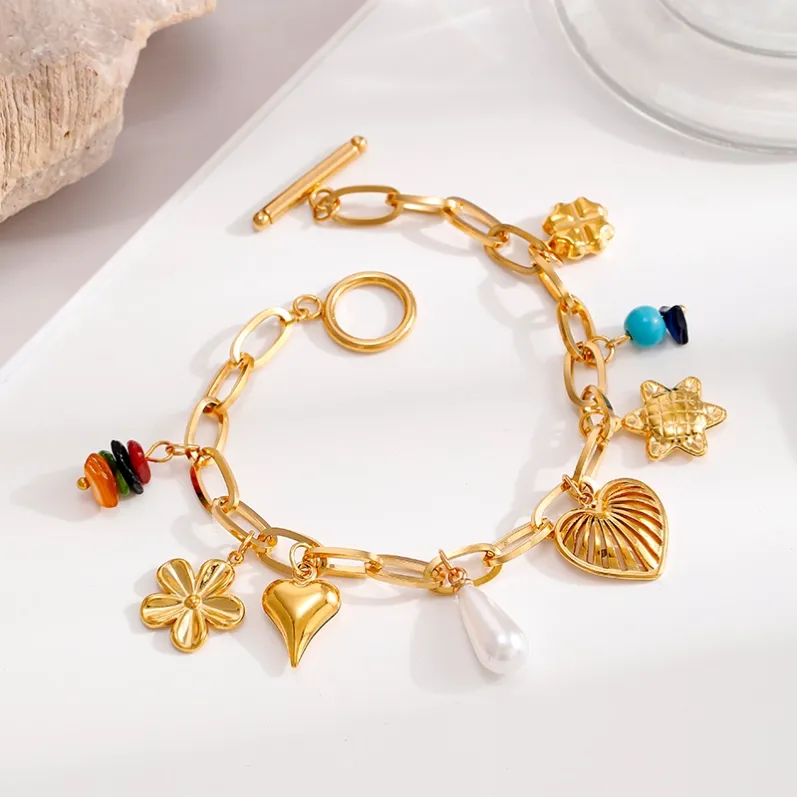
Bracelets | Chains, cuffs, links, clasps — the structure | Inlay plates and panel links | Steel clasp and frame around carbon fiber panels |
Pendants | Chains, bails, bezel frames | Flat plates as the centerpiece | Carbon fiber plate in a steel frame on a steel chain |
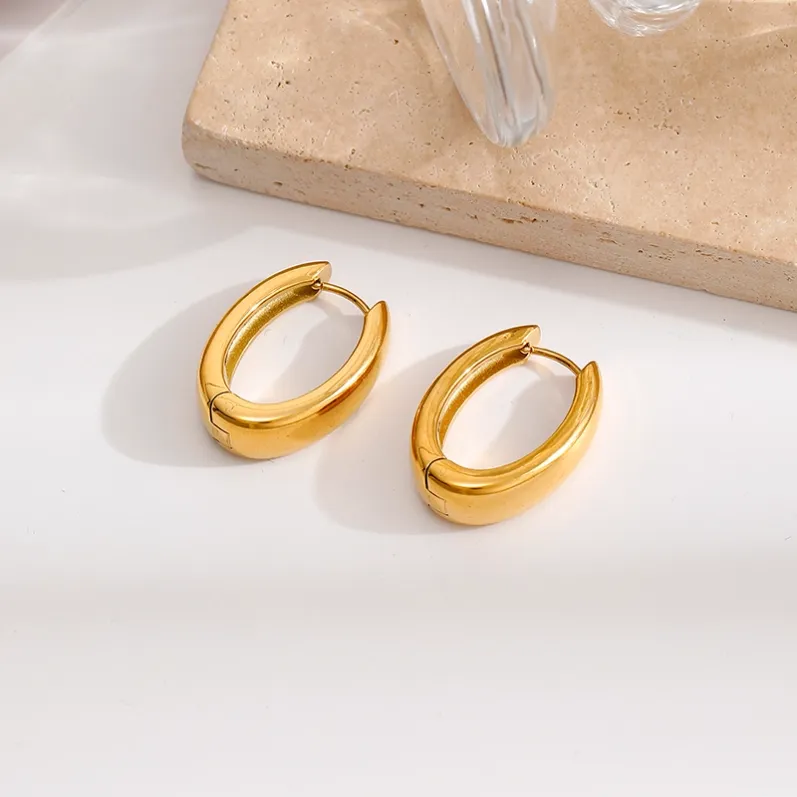
Earrings | Studs, hoops, huggies in every size | Rare — steel is already light at small sizes | Occasional woven-look discs on steel posts |
Rings | Bands, bezels, signet frames | Full bands or inlays | Steel sleeve with a carbon fiber core or inlay |
Mixed pieces inherit steel's easy care and carbon fiber's fragility, so handle the whole piece as gently as its more delicate material. If your steel component is PVD 18K gold plated, expect the finish to hold its color for years of normal wear — though honestly, any plating can eventually soften at contact points like clasp edges. That is normal aging, not a design fault.
Sweat, Water, and Real-Life Conditions
Daily life treats the two materials alike: sweat, rain and handwashing do not ruin either one. Steel collects a film of skin oil over weeks of wear, so even low-maintenance pieces benefit from an occasional wash — our guide to cleaning tarnished stainless steel jewelry covers the routine. Carbon fiber's resin resents chemistry: pool chlorine, solvents and harsh cleaners can dull it, and years of strong sunlight flatten its gloss. Rinse composite pieces after pool days and store pieces in soft pouches out of direct sun, as covered in our jewelry storage guide.
Takeaway: both materials survive daily water contact; the real enemies are harsh chemicals and hard sunlight, which carbon fiber feels first.
Which Should You Choose?
Choose carbon fiber if weight is your priority, you love the woven aesthetic, and you wear it mindfully. Choose stainless steel for maximum durability, finish variety and collection-friendly pricing. Choose mixed-material designs for the contrast of both. For most everyday wardrobes, steel does more work per piece — the stainless steel vs carbon fiber question is really about which job each material should do.
Takeaway: steel is the foundation and carbon fiber is the accent — you do not have to pick a side to wear both well.
Frequently Asked Questions
Quick answers to the questions wearers ask most about stainless steel vs carbon fiber jewelry.
Is carbon fiber really much lighter than stainless steel?
Yes, and the difference is dramatic. Carbon fiber composites are roughly one-fifth the density of stainless steel, so the same-sized bracelet or ring feels almost weightless compared with its steel equivalent. At small earring sizes the gap barely matters, but on wide bands and chunky bracelets the lightness is instantly noticeable.
Does carbon fiber jewelry crack easily?
Not in normal wear, but it has a definite failure mode. The weave resists daily scrapes and flexing, yet a hard point impact — a knock against a corner or a drop onto tile — can chip the resin or crack thin sections. Steel dents and scratches instead of breaking; treat carbon fiber gently and it lasts for years.
Which material is better for everyday wear?
Stainless steel, for most people. It tolerates water, soap, sweat and friction without complaint, it can be polished back to new, and it does not shatter. Carbon fiber suits daily wear too, as long as the lifestyle is gentle on it. If your jewelry never comes off, steel is the safer long-term pick.
Why do so many bracelets and pendants pair the two materials?
Because each takes the job it does best. Carbon fiber plates are light, so a large pendant stays comfortable; steel provides the clasps, frames and chains with the strength small parts need. The contrast also looks intentional: black weave against polished or PVD 18K gold plated steel reads as design rather than accident.
How do I clean stainless steel and carbon fiber jewelry?
The same gentle routine works for both: lukewarm water, a drop of mild soap, a soft cloth and thorough drying. Avoid soaking carbon fiber sections, skip abrasive cleaners and steam, and keep solvents and pool chlorine away from composites. For dulled steel-only pieces, our stainless steel cleaning guide covers the full restoration process.
Wholesale Stainless Steel Jewelry from IVANDA
Looking for a reliable stainless steel jewelry supplier? IVANDA supplies 316L pieces with PVD 18K gold plating - waterproof, skin-friendly and made for everyday wear. MOQ 60 pcs per style, in stock and ready to ship, with OEM/ODM services for custom designs. Message us on WhatsApp or email sales01@ivanda-fa.com for the latest catalog and wholesale prices.