Oct 19, 2026
Stainless Steel vs Gold Plated Jewelry: Which to Buy?
Stainless steel vs gold plated jewelry compared: tarnish, water, plating wear, skin marks and cost. Why the base metal decides everything before you buy.
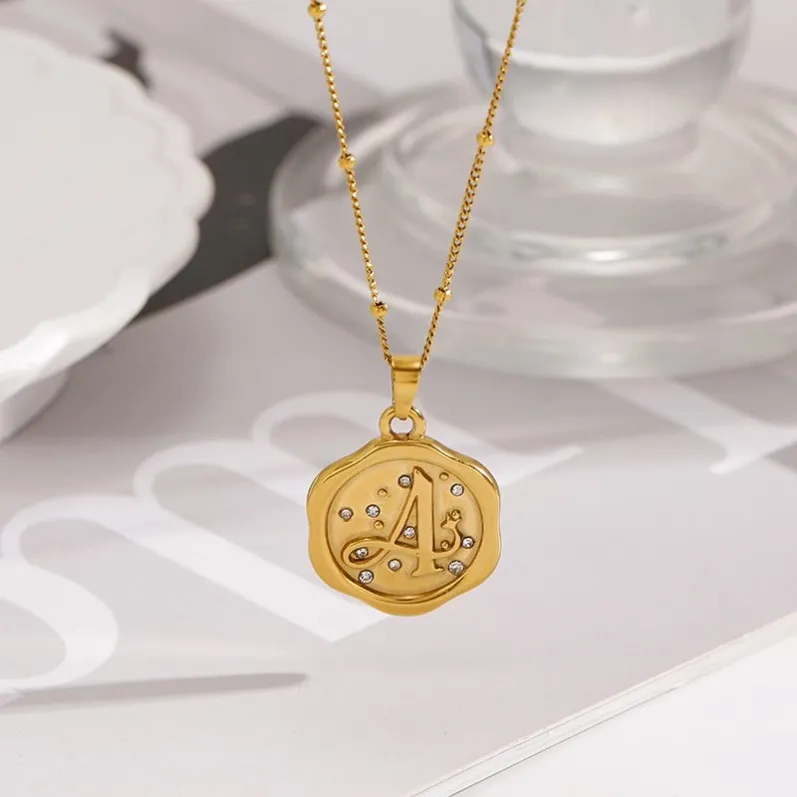
The base metal underneath the finish decides almost everything about how jewelry ages — and that single difference separates pieces that stay bright for years from pieces that flake within months.
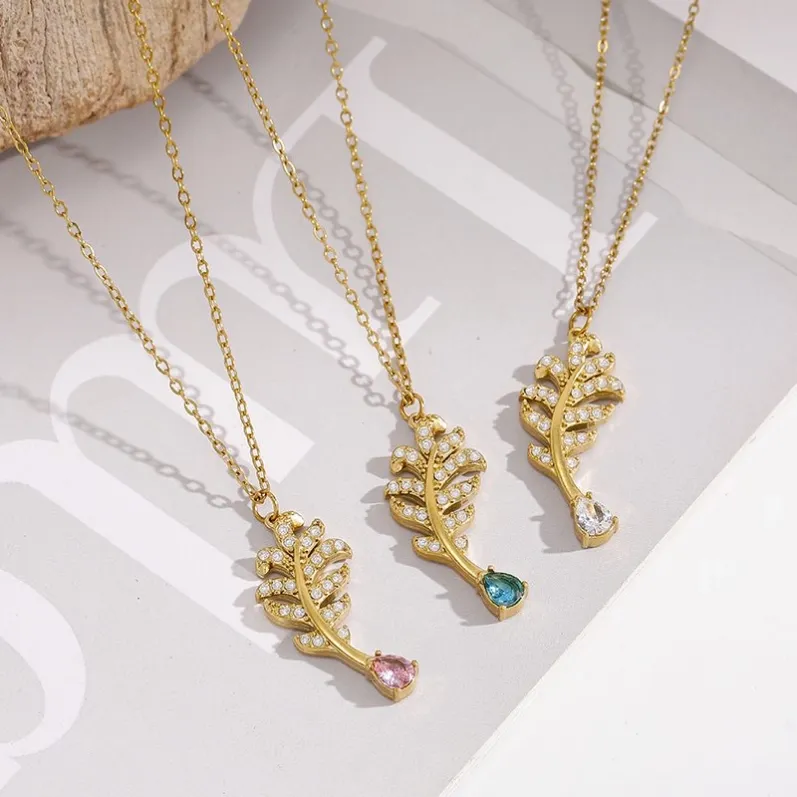
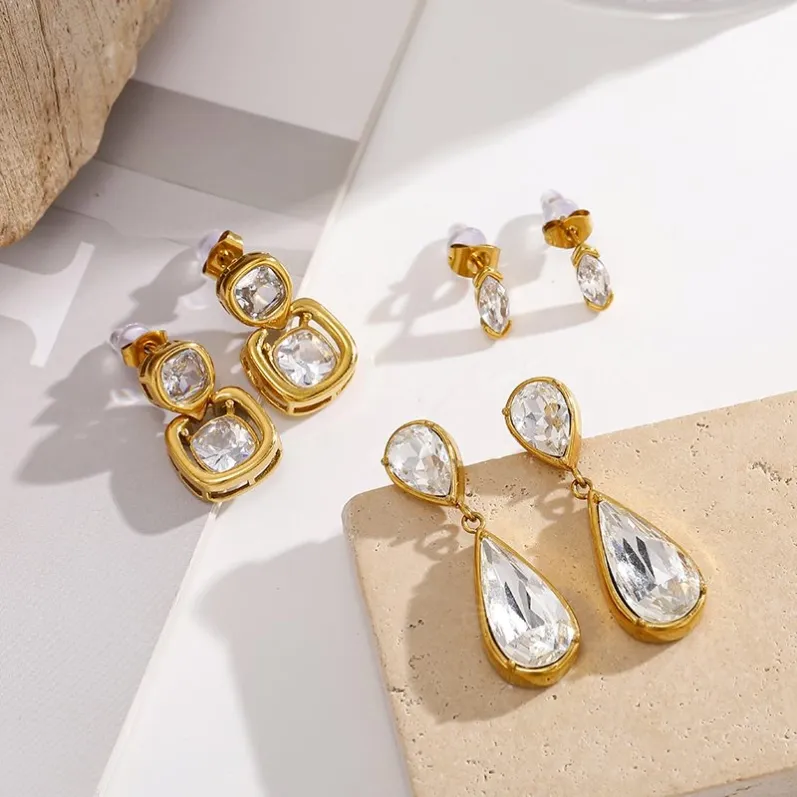
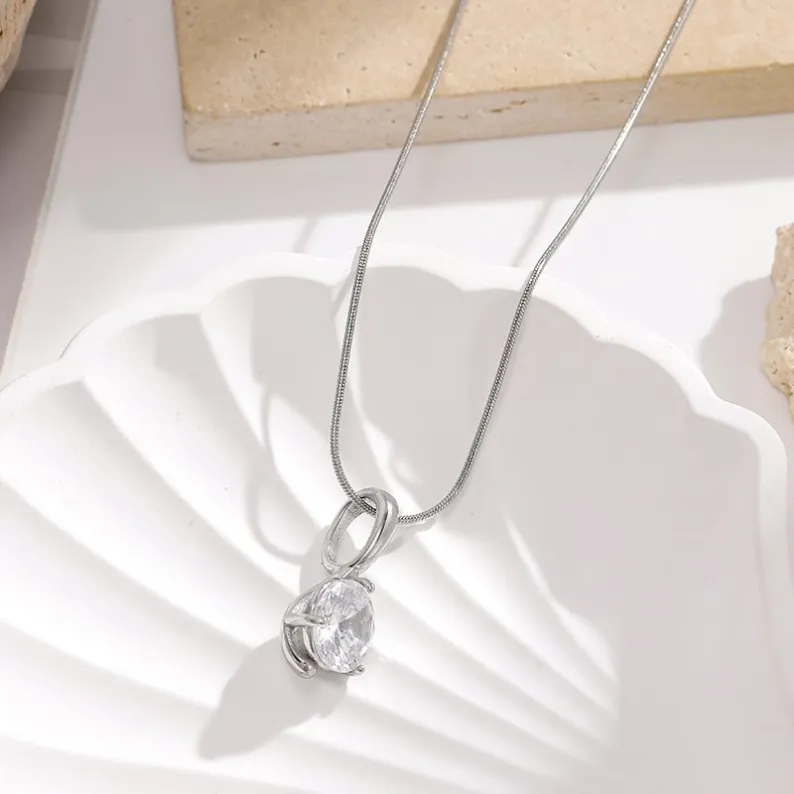
In a product photo, a stainless steel necklace and a gold plated necklace can look identical. Both can be sculptural, glossy and convincingly luxurious. But these are two fundamentally different materials with two very different life stories. One is solid metal all the way through; the other is a thin colored skin over a soft core. That distinction — not the price, not the packaging — should drive your decision.
It's the Base Metal, Not the Plating
"Gold plated" describes a finish, not a material. Ask what's underneath, and for most fashion jewelry the answer is brass or copper — soft, warm-toned alloys built around copper. That core does the real work of determining how a piece behaves: how it reacts to water and sweat, how it handles knocks and bends, and what your skin eventually touches.
Stainless steel jewelry is the opposite case. The piece is steel all the way through — typically 316L, the industry's premium grade for jewelry — so whatever happens at the surface, the metal underneath stays stable. A steel piece finished with PVD 18K gold plating is still solid steel if the coating gets scratched tomorrow.
A plating is only as durable as the metal beneath it — the base material, not the color, determines how a piece behaves after months of real wear.
If you want that base-metal contest in full depth, our stainless steel vs brass guide compares the two foundations directly.
Side by Side: How the Two Materials Compare
Factor | Solid stainless steel | Gold plated brass |
|---|---|---|
Tarnish behavior | Extremely tarnish-resistant; a protective chromium oxide layer keeps the surface stable | The brass core oxidizes; dark spots appear as the plating thins |
Water tolerance | Handles rain, showers and sweat; dries clean | Water creeps through wear points and corrodes the base |
Plating wear pattern | PVD 18K gold plated finishes bond hard to a hard base and wear slowly and evenly | Conventional plating sits on soft brass; it chips and flakes as the base dents |
Maintenance | Occasional wash with mild soap and water | Careful storage, avoid moisture, frequent gentle polishing |
Skin discoloration risk | Very low | Higher once plating wears through to the copper-rich core |
Price level | Moderate, reflecting the durable base metal | Lower upfront, but frequent replacements add up |
Across every factor that shapes daily ownership — water, sweat, tarnish and upkeep — solid stainless steel keeps the advantage for one simple reason: the metal itself doesn't break down.
Brass isn't a "bad" metal — jewelers have used it for centuries because it's affordable, easy to work and takes plating well. But it is a reactive metal, and it depends on a perfect, unbroken coating to stay protected. Our guide to jewelry that doesn't tarnish explains which materials genuinely hold their finish and which need that coating to survive.
Why PVD 18K Gold Plated Steel Wears Differently
Not all gold-color finishes are created equal. Conventional plating deposits a thin layer of gold alloy over brass in a chemical bath. The layer lands on a soft foundation: every time the brass underneath flexes or scratches, the coating above it flexes and cracks with it. Small chips appear at edges and high points first, then spread.
PVD — physical vapor deposition — works completely differently. The gold-colored layer is formed inside a vacuum chamber and bonds to the steel at a molecular level, producing a coating that is significantly harder and more adherent than bath plating. Paired with a base that doesn't bend or corrode, there is no soft substrate deforming underneath the finish. Instead of peeling, the surface wears slowly and evenly.
The same coating lasts far longer over hardened steel than over soft brass, because a stable base keeps the finish intact — though no coating survives years of abrasion untouched.
Who Each Material Suits
Stainless steel — natural steel or PVD 18K gold plated — suits people who wear jewelry the way it's meant to be worn: constantly. If you never take your ring off, if you shower with your chain on, if you live somewhere humid or spend all day at a keyboard, steel forgives all of it. It's also the practical choice for anyone who doesn't want a maintenance schedule attached to their accessories.
Gold plated brass suits a different buyer: the occasion piece. A sculptural earring worn twice a year, a statement cuff matched to one outfit, a ring kept for its design rather than its daily usefulness — cared for gently and stored dry, plated brass performs perfectly well in that role.
Choose gold plated brass for occasional pieces you can baby; choose stainless steel for anything meant to live on your wrist, fingers or collarbone.
The Honest Truth: Every Plating Eventually Wears
No plating is permanent. Thin coatings on any base — brass, silver or steel — gradually yield to friction: cuffs against desks, chains against skin, rings knocking on doorframes. PVD on steel slows this dramatically, which is exactly why it has become the standard finish for stainless steel jewelry intended for daily wear. But after years of abrasion, even the best finish mellows. Any listing that promises a coating which never wears is promising something no jewelry can deliver.
The reassuring part is what's underneath. When plating on brass wears through, you're left with dull, spotted metal that looks tired. When PVD on steel eventually thins, you're left with a sound, attractive steel piece that still deserves a place in your rotation — and a proper clean brings the surface back to life.
No jewelry is indestructible — but a corrosion-resistant base metal with a bonded hard coating is the closest everyday jewelry gets to worry-free.
Frequently Asked Questions
Does gold plated jewelry tarnish?
Yes — eventually. The tarnish usually comes from the base metal, not the gold layer itself. Most gold plated fashion jewelry sits over brass or copper, and once the plating thins, moisture and air attack the core underneath, causing dark spots and dull patches. Plating over a stable base like stainless steel tarnishes far more slowly.
Is PVD 18K gold plated jewelry real gold?
The finish contains real gold — 18K describes the purity of that gold layer — bonded to the surface by physical vapor deposition rather than a chemical bath. The piece itself is stainless steel. You get the richness of 18K gold over a far more durable base than conventional plating on soft brass usually offers.
Which lasts longer: stainless steel or gold plated jewelry?
Solid stainless steel lasts longer, because its good looks don't depend on a coating. A PVD 18K gold plated steel piece outlasts conventional plating on brass by a wide margin, since the hard base protects the finish. Gold plated brass typically shows wear first at edges, clasps and other high-contact points.
Can I shower with gold plated jewelry?
With conventional gold plated brass, it's not recommended: hot water, soap and steam work into microscopic openings in the plating and corrode the base underneath. Stainless steel, whether natural or PVD coated, tolerates daily showering far better. Whichever you choose, drying the piece afterward with a soft cloth extends its life.
Does stainless steel jewelry turn skin green?
Very unlikely. Green marks come from copper compounds, and 316L stainless steel contains essentially no free copper — its protective chromium oxide layer keeps the alloy stable against sweat and air. Skin discoloration is far more common with brass, copper and worn plating over copper-rich bases than with solid stainless steel.
Wholesale Stainless Steel Jewelry from IVANDA
Looking for a reliable stainless steel jewelry supplier? IVANDA supplies 316L pieces with PVD 18K gold plating - waterproof, skin-friendly and made for everyday wear. MOQ 60 pcs per style, in stock and ready to ship, with OEM/ODM services for custom designs. Message us on WhatsApp or email sales01@ivanda-fa.com for the latest catalog and wholesale prices.