Oct 27, 2026
Stainless Steel vs Silicone: Everyday Bands Compared
Silicone bands have become the default "active lifestyle" ring, while stainless steel remains the classic everyday band — and the right answer depends less on which material is better and more on what your hands actually do all day. This comparison breaks down comfort, durability, water and sweat, safety, style and lifespan, so you can decide with a checklist instead of a hunch.
What Counts as an Everyday Band
An everyday band is any ring you forget you're wearing — which means the material has to survive everything your hands touch.
Think wedding-band alternatives, promise rings and fitness rings: pieces worn continuously through typing, training, showering, swimming and chores. Both silicone and stainless steel are marketed for exactly this job. Silicone is a flexible synthetic rubber; 316L stainless steel is a rigid metal alloy. They solve the same problem — a durable, low-fuss ring — in completely opposite ways, and those opposite ways have real consequences you feel every day.
Comfort and Feel
Silicone wins on flex and weight; stainless steel wins on a stable, substantial feel that never stretches out.
A silicone band bends with every grip, has no hard edges, and weighs so little that many wearers check their finger to confirm it is still there. That flexibility is the main reason people switch from metal. The trade-off: silicone traps heat and sweat against the skin in hot weather, and the surface can feel grippy rather than smooth.
Stainless steel feels solid — cool at first contact, then neutral. It does not flex at all, which some people never notice and others never adjust to. A properly sized steel band slides and spins freely, and the weight is noticeable but usually described as reassuring rather than heavy.
Durability and Lifespan
Stainless steel lasts years with only surface scratches; silicone degrades on a schedule whether you baby it or not.
Failure mode | Silicone band | 316L steel band |
|---|---|---|
Scratches | Marks blend away into the soft surface | Fine scratches accumulate; polish hides them |
Tears | Yes — snags can rip the band | No |
Stretching | Yes — loosens over months | No |
UV and ozone exposure | Gradual degradation and discoloration | Unaffected |
Solvents and fuels | Cause swelling and tackiness | Highly resistant |
Typical lifespan | Months to a couple of years | Many years with basic care |
Scratches on polished steel can be buffed out, while on brushed finishes they mostly disappear into the texture — our stainless steel jewelry finishes guide shows how each finish ages in practice. One honest caveat for gold tones: on PVD 18K gold plated steel, years of heavy wear gradually thin the plating at high points such as ring edges and the underside of the shank, so expect a gentle change in tone on hard-worked pieces rather than a flawless surface forever.
Water, Sweat and Chemicals
Both materials handle water better than most ring materials, but they fail very differently around chemicals and heat.
Silicone shrugs off pools, saltwater and sweat, which is why swimmers and gym-goers like it. Its weak spots are solvents, fuels and repeated high heat, which cause swelling, tackiness and discoloration. Everyday hand sanitizer and lotions generally do no harm.
Stainless steel is equally happy in the shower, the pool and the ocean — a quick rinse after chlorinated water keeps it bright. It ignores sunscreen, sanitizer and perfume, and it does not absorb sweat odor the way silicone eventually can. Neither material tarnishes the way silver does, so neither demands polishing sessions to stay presentable.
Safety Around Machinery and Grips
Silicone's signature safety feature is that it breaks away under load; steel's rigidity is exactly what makes that necessary.
People who work around machinery, weights or fixed grips are often advised to wear rings that will tear or snap free if caught, rather than a rigid band that can trap a finger. That is a genuine, practical argument for silicone in specific jobs and gym sessions. For everyone else — office work, travel, daily life — steel's rigidity is a non-issue. The rule is simple: choose silicone for hazardous work environments, and choose steel for everywhere else.
Style and Occasions
Silicone reads casual and sporty; stainless steel works everywhere from the gym floor to a wedding.
Silicone bands come in bright colors and matte textures, and even the best ones look like what they are: utility rings. They suit workouts, travel and jobs where a metal ring would be impractical, but they undercut formal outfits.
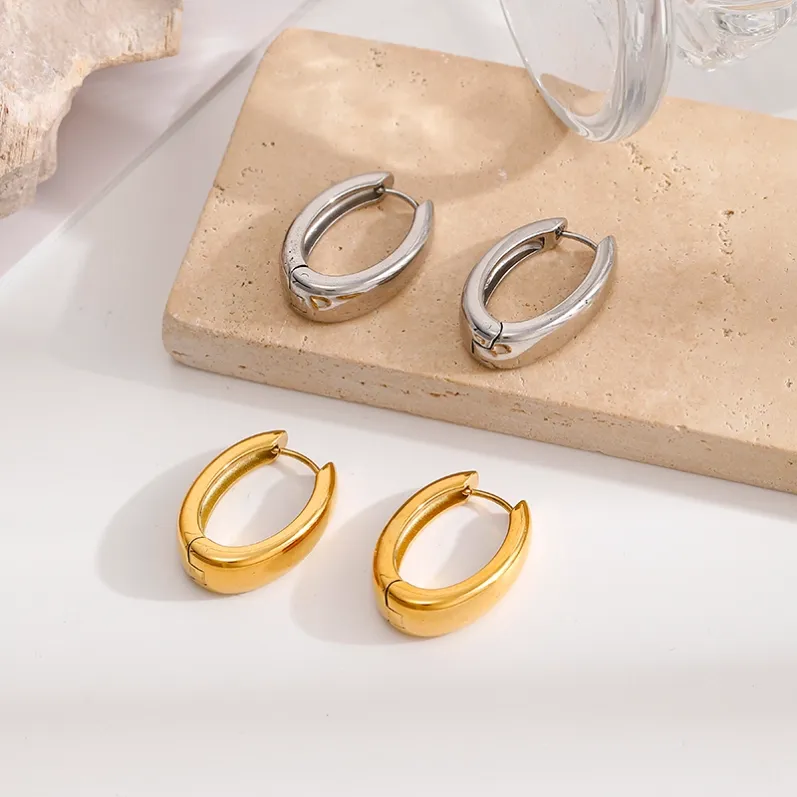
Stainless steel covers both worlds. A clean steel band passes at dinner or a ceremony, and the range of brushed, polished and PVD 18K gold plated finishes gives options from utilitarian to dressy — our matte vs polished stainless steel comparison walks through choosing between them.
Decision Checklist
Pick silicone for hazardous hands and short-term needs; pick steel for a band you plan to wear for years.
Your situation | Better choice |
|---|---|
Daily wear, years-long lifespan | Stainless steel |
Machinery, heavy grip or lifting work | Silicone |
You hate the feel of rigid rings | Silicone |
Formal occasions on the same hand | Stainless steel |
Swimming and ocean travel | Either works |
A band you never want to think about | Stainless steel |
If you decide steel is not right at all, our stainless steel vs resin jewelry comparison covers the other modern lightweight alternative worth knowing about.
Frequently Asked Questions
Quick answers to the most common questions about silicone and steel bands.
Do silicone rings stretch out over time?
Yes. Body heat, constant flexing and water exposure relax silicone gradually, so a band that fit perfectly can feel loose within several months of continuous wear. Speed depends on the silicone formulation and band thickness. Stainless steel never changes size on its own — once sized correctly, a steel band keeps its fit for its entire life with no adjustment needed.
Can stainless steel bands get wet every day?
Yes. 316L stainless steel handles showers, pools, sweat and saltwater without rusting or tarnishing. A quick rinse and dry after chlorinated pools or ocean swimming keeps the surface bright. The only water-related caution is the same as for any ring: trapped moisture under the band can irritate skin if the ring is genuinely never removed and dried at all.
Which material lasts longer, silicone or steel?
Steel, by a wide margin. A stainless steel band lasts many years with nothing more than occasional cleaning, and its only realistic wear is surface scratching. Silicone degrades from stretching, UV exposure and ozone even when treated carefully, so most active wearers replace silicone bands periodically. If you want one band that outlives trends and seasons, steel is the safe answer.
Are silicone bands safer than metal rings?
In specific situations, yes. If a ring can get caught in machinery or under a heavy fixed weight, silicone tears away instead of trapping the finger, which is why many tradespeople and lifters wear silicone during work and training. Outside those environments, rigid steel poses no added risk. Match the material to what your hands actually do each day.
Do stainless steel bands scratch easily?
Steel scratches, but modestly: it is much harder than soft precious metals, so fine marks take real effort and show mainly on mirror-polished surfaces. Brushed finishes hide micro-scratches in their texture, and light scratches on polished steel can be buffed out. For most everyday wearers, a steel band develops a soft, even patina rather than obvious damage.
Wholesale Stainless Steel Jewelry from IVANDA
Looking for a reliable stainless steel jewelry supplier? IVANDA supplies 316L pieces with PVD 18K gold plating - waterproof, skin-friendly and made for everyday wear. MOQ 60 pcs per style, in stock and ready to ship, with OEM/ODM services for custom designs. Message us on WhatsApp or email sales01@ivanda-fa.com for the latest catalog and wholesale prices.