Oct 19, 2026
Stainless Steel vs Titanium vs Tungsten: Which Wins?
Stainless steel vs titanium vs tungsten compared: hardness, weight, brittleness, color, resizing and price - plus which metal suits everyday jewelry best.
All three metals are tough, water-friendly alternatives to precious metals — but they do not win at the same things: tungsten takes hardness, titanium takes lightness, and stainless steel takes the title of balanced everyday choice. Shoppers and jewelry brands comparing these three are usually deciding what a piece must survive: scratches, knocks, water, or long days of comfortable wear. This guide puts the metals side by side, explains where each one breaks the rules you would expect, and matches each to the buyer it suits best.
The Triple Comparison at a Glance
Property | Stainless steel (316L) | Titanium | Tungsten carbide |
|---|---|---|---|
Hardness & scratch behavior | Hard; light surface marks polish out | Moderate; scratches show sooner than the others | Extremely hard; the most scratch-resistant of the three |
Weight | Medium | Lightest — noticeably airy on the body | Heaviest — dense, with a solid weighty feel |
Brittleness | Low; bends rather than breaks | Low; strong for its weight | High; can crack on a hard impact against a hard surface |
Color | Bright silvery white; also offered as PVD 18K gold plated | Darker gray with a gunmetal tone | Deep charcoal gray |
Resizing feasibility | Difficult, but more workable than the other two | Very difficult; few jewelers attempt it | Practically impossible |
Price level | Lowest of the three | Mid | Mid to high |
Best use | Everyday jewelry, layered sets, gold-tone pieces | Wide or large pieces where weight matters | Rings that must keep a polished finish for years |
A note on cheaper fashion jewelry: many low-cost gold-tone pieces are gold plated brass — a soft base metal whose thin coating wears through far sooner than PVD applied to steel. Each column above describes standard jewelry grades of each metal; specific finishes and designs shift the details, but not the fundamentals.
No single metal wins outright — tungsten wins hardness, titanium wins weight, and stainless steel wins the balance of durability, comfort, style options and cost.
Tungsten: Hardest, but Brittle in Its Own Way
Tungsten carbide sits near the top of the hardness scale for jewelry metals. It shrugs off scratches that would mark almost anything else, which is why a tungsten ring can keep its mirror polish through years of hard use — even worn alongside keys or tools.
Hardness has a trade-off: brittleness. Where a softer metal dents and absorbs a knock, tungsten cannot flex. Drop a tungsten ring onto tile or strike it against stone, and it can crack or even shatter — the one failure mode most jewelry metals do not have. Add the fact that it practically cannot be resized, and tungsten becomes a metal you buy for a specific job. Many buyers actively enjoy its density, though — that heavy, substantial feel reads as quality on the hand and is part of the appeal.
Choose tungsten when scratch resistance outranks everything else — and accept that a hard knock, not a scratch, is its weakness.
Titanium: Light and Strong
Titanium's party trick is its strength-to-weight ratio. A wide titanium ring weighs a fraction of the same design in steel or tungsten, which is why big, bold pieces feel almost weightless on the hand and ear. For people who "forget they are wearing jewelry," titanium is usually the reason. It also suits anyone who dislikes the cold, weighty feel of dense metals — the light touch is what keeps wide ring designs and statement-scale pieces genuinely comfortable all day.
The trade-offs sit at the surface. Titanium scratches more readily than the other two metals, and those marks show clearly against its darker gunmetal tone. It is also difficult to resize, so sizing needs to be right the first time. None of this hurts its durability — titanium is remarkably strong for its weight — but it rewards buyers who like a lived-in look.
Titanium is the metal for people who want strength without weight — as long as fine scratches on a darker surface do not bother you.
Stainless Steel: The Balanced Everyday Choice
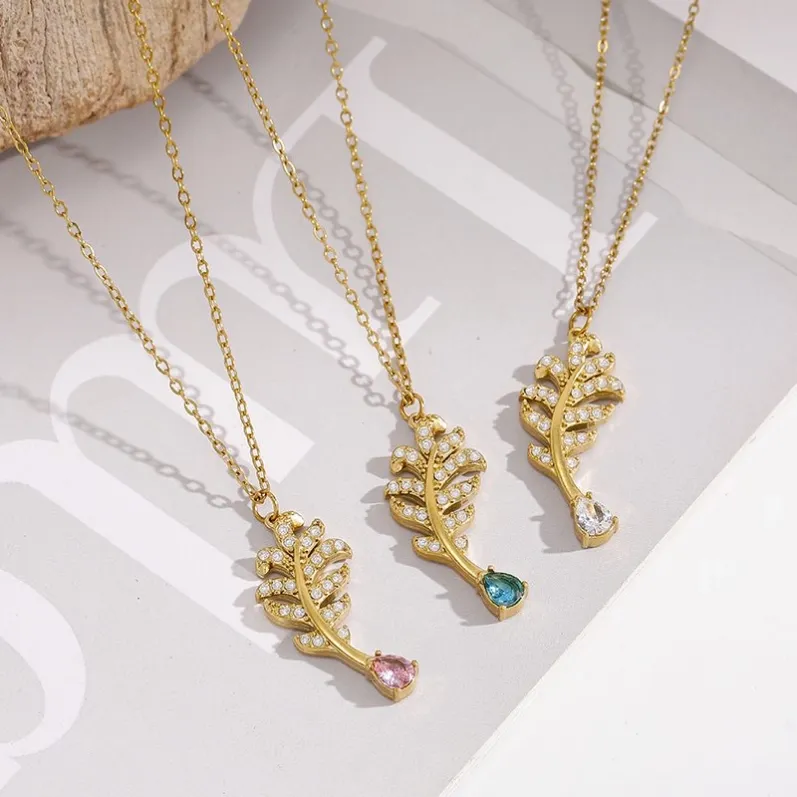
316L is the jewelry industry's premium stainless grade — a low-carbon, corrosion-resistant alloy that holds a bright polish, stands up to water and sweat, and bends rather than breaks when life happens. It is the only one of the three that combines high durability with real design flexibility: fine chains, layered sets, textured finishes, and PVD 18K gold plated versions that deliver warm gold-tone looks on a tough steel base.
Be honest with customers about one thing: PVD plating is extremely durable, but after years of constant abrasion it can gradually thin — no plating on any metal lasts forever. That honesty builds more trust than "indestructible" ever will. In return, 316L forgives what everyday life does to jewelry: perfume overspray, gym sessions, saltwater holidays, and the occasional knock against a doorframe. It is also worth knowing what the stamp on the clasp actually tells you; our guide to what 316L means on jewelry stamps decodes it.
Stainless steel is the metal you pick when you want one material that does nearly everything well — tough, bright, style-flexible and made for daily wear, which is why it dominates waterproof, tarnish-resistant jewelry collections.
Who Should Buy Which
- Choose tungsten if the piece will face abrasive wear — a ring worn through manual work — and scratch-free polish matters more than anything else.
- Choose titanium if comfort and weight come first: wide bands, large hoops of statement scale, or anyone who dislikes the feeling of heavy metal.
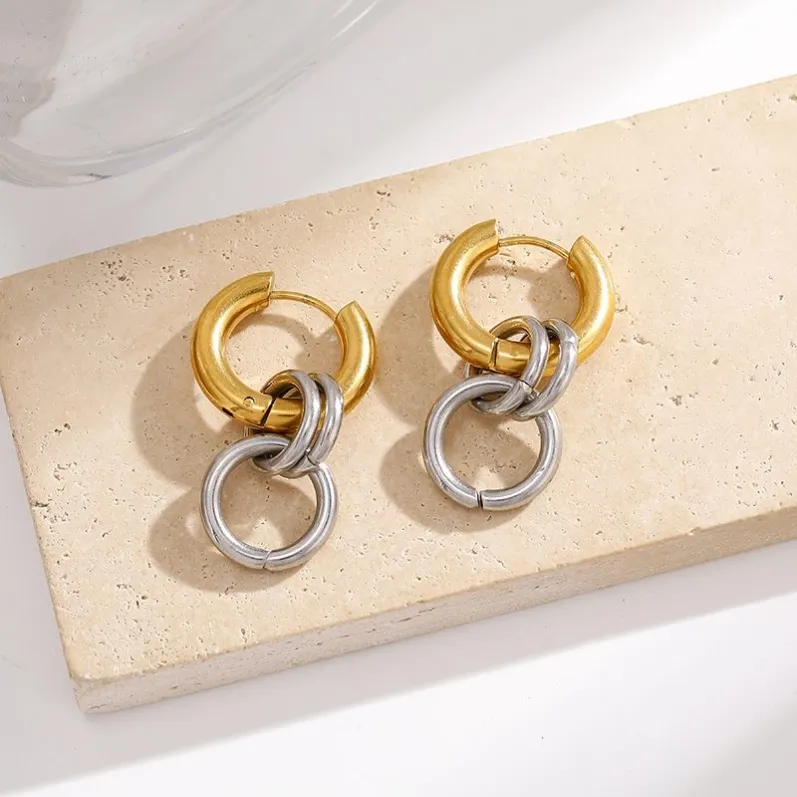
- Choose stainless steel if you want the everyday all-rounder: the lowest price level of the three, the widest design range, gold-tone options through PVD 18K gold plating, and toughness that fits water, gym, and travel alike.
For brands and retailers building a collection, 316L is also the most practical of the three: it is available for custom orders, takes plating and textures consistently, and lets one material serve an entire line.
Match the metal to the job — hardness, lightness, and balance each win a different customer, and 316L stainless steel wins the most of them.
Frequently Asked Questions
Is tungsten stronger than stainless steel?
Harder, yes — but "stronger" depends on the test. Tungsten carbide resists scratches far better, while stainless steel tolerates knocks, bending, and daily abuse better because it is less brittle. Scratch resistance and toughness are different strengths: tungsten has the first, stainless steel the second, and everyday jewelry usually rewards the second.
Does titanium scratch easily?
More easily than tungsten carbide or stainless steel, yes — and the marks show clearly on titanium's darker gray surface. Most are light surface scratches rather than damage, but titanium is harder to polish back to new, so buyers should expect a piece that develops character over time.
Can titanium or tungsten rings be resized?
Realistically, no. Both metals are too hard for standard resizing equipment, and tungsten cannot be cut and rejoined at all — extreme hardness cuts both ways. Stainless steel is also difficult to resize, though its lower hardness gives a jeweler more options. With any of the three, get the size right before you buy.
Which metal is best for everyday jewelry?
For most people and most budgets, 316L stainless steel. It combines durability, a bright finish, the widest design variety, and the lowest price level of the three, plus PVD 18K gold plated options for warm tones. Tungsten suits scratch-prone rings, and titanium suits weight-sensitive wearers — but stainless steel fits the widest range of lives.
Which of the three metals is heaviest?
Tungsten carbide, by a wide margin — its density is what gives tungsten rings their solid, substantial feel that many buyers love. Stainless steel sits in the middle with a familiar, weighty presence, and titanium is by far the lightest, weighing roughly half as much as the same design in steel.
Wholesale Stainless Steel Jewelry from IVANDA
Looking for a reliable stainless steel jewelry supplier? IVANDA supplies 316L pieces with PVD 18K gold plating - waterproof, skin-friendly and made for everyday wear. MOQ 60 pcs per style, in stock and ready to ship, with OEM/ODM services for custom designs. Message us on WhatsApp or email sales01@ivanda-fa.com for the latest catalog and wholesale prices.