Oct 30, 2026
Tarnish-Free Jewelry Wholesale: Stainless Steel Advantage
Why tarnish-free jewelry sells: how stainless steel compares with silver and plated brass, what to verify with suppliers, and how to build the assortment.
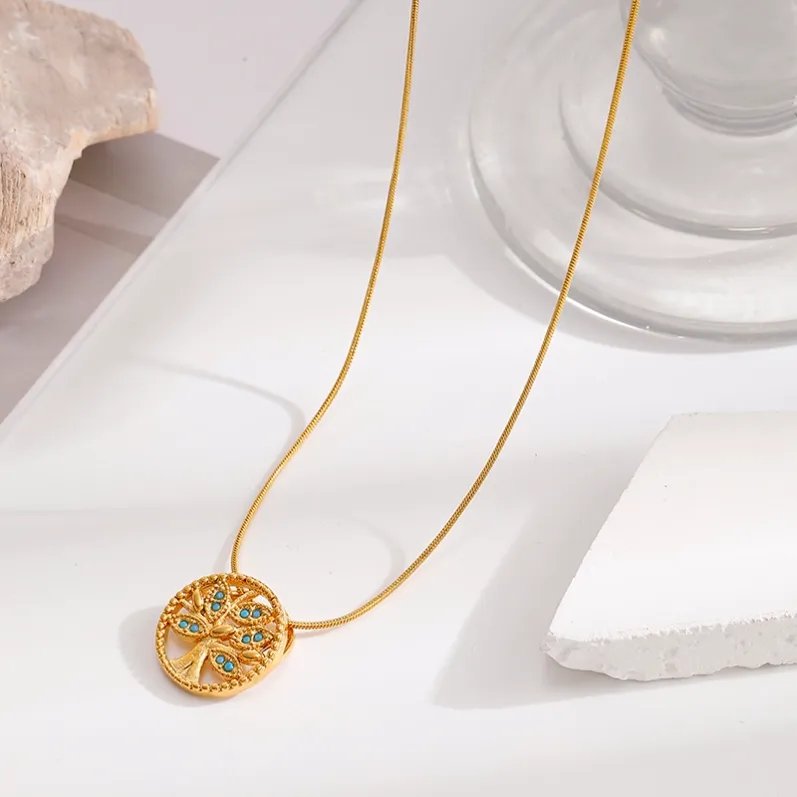
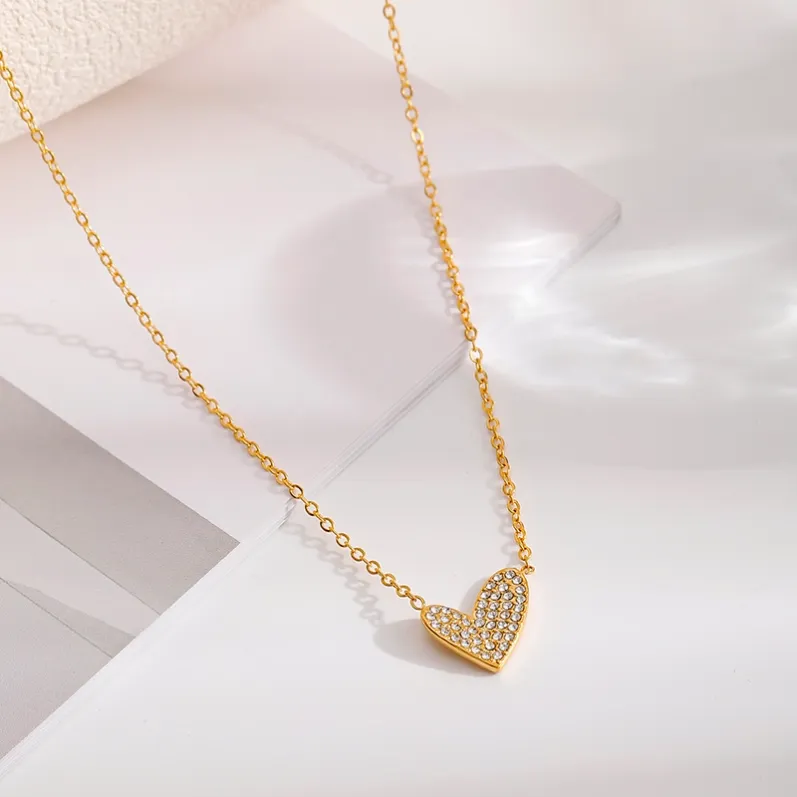
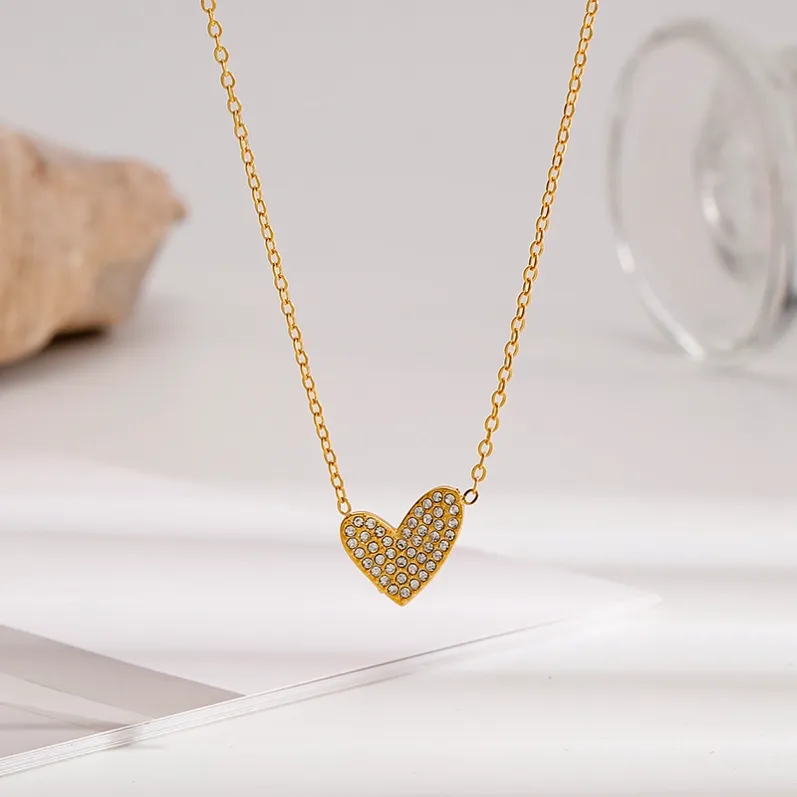
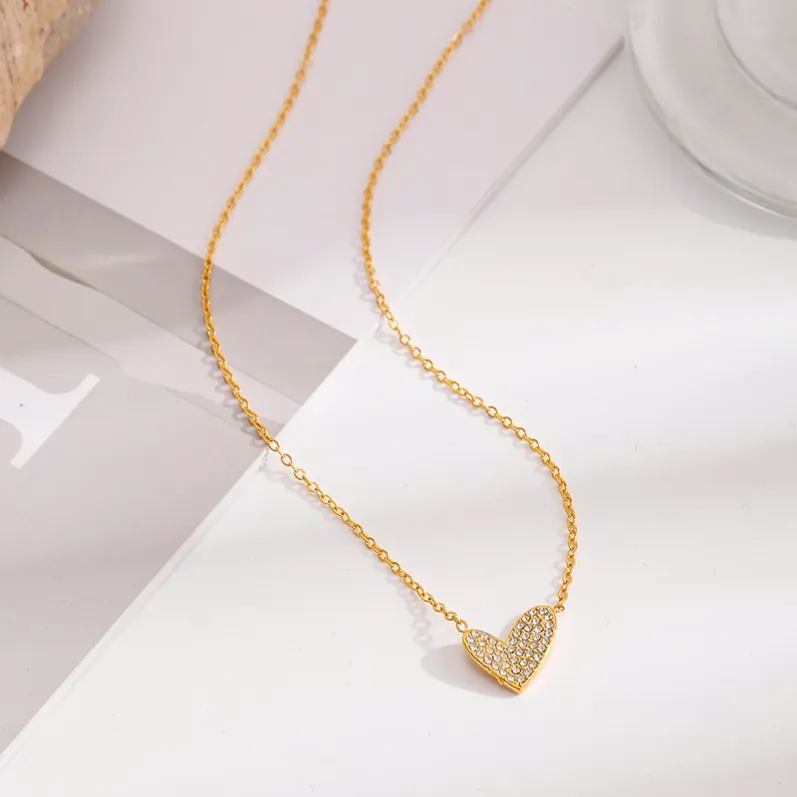
Tarnish is the most common reason fashion jewelry disappoints customers — and "tarnish-free" is the promise that answers it, which is why stainless steel has moved from industrial workshops to the center of serious tarnish free jewelry wholesale assortments.
For wholesale buyers, the phrase carries real operational weight. Tarnish-free stock displays better, returns less and generates the kind of reviews that compound. But the label is only honest when the material delivers it, so this guide covers what tarnish actually is, why stainless steel resists it, how the main jewelry materials compare, and what to verify with a supplier before you build a brand promise on the word.
What Actually Causes Jewelry to Tarnish
Tarnish is chemistry, not neglect: reactive metals combine with sulfur and oxygen in the environment to form dull surface compounds — and sweat, humidity and cosmetics simply speed the reaction up.
Sterling silver reacts with airborne sulfur to form the familiar black silver sulfide layer. Brass and copper alloys oxidize into dark or greenish films that can transfer to skin. Ordinary steel that is not stainless contains enough free iron to rust outright. For those metals the reaction is inevitable — polishing only resets the clock.
That is why "which jewelry materials don't tarnish" is such a common buyer question: once you understand tarnish as a material property, the only real solution is material selection, not better care instructions. Our guide to jewelry that doesn't tarnish compares the options in depth.
The Stainless Steel Advantage
Stainless steel resists tarnish because chromium in the alloy forms a passive oxide layer that continuously re-seals the surface — the metal protects itself, which reactive alloys cannot do.
Scratch it and the layer rebuilds within moments in the presence of oxygen. Within the stainless family, grades differ: 316L sits at the premium end of the jewelry industry thanks to added molybdenum and very low carbon content, which improve corrosion resistance. It is the grade to specify when durability matters, and most established manufacturers offer it as a customization option on custom orders.
For wholesale purposes the practical picture is simple: stainless steel does not tarnish in normal daily wear, does not rust under shower or seawater exposure, and never needs a polishing cloth to look sellable.
How the Main Materials Compare
Every material makes a different promise — keep the honest version of the table below in mind whenever a catalog says "tarnish-free" without naming the metal.
Material | Tarnish behavior | Customer care burden | Typical wholesale role |
|---|---|---|---|
316L stainless steel | Does not tarnish in normal wear | None | Premium everyday and waterproof lines |
304 stainless steel | Resists tarnish; slightly less corrosion-resistant | Minimal | Entry-level everyday lines |
Sterling silver (925) | Tarnishes reliably; needs regular polishing | High | Fine-jewelry tier |
Plated brass or alloy | Tarnishes once the plating wears through | High, with short shelf life | Fast fashion only |
Solid gold | Does not tarnish | None | High-ticket fine jewelry |
Two observations matter for assortment planning. First, the gap between 304 and 316L is real but modest for everyday wear — which is why 316L is the upgrade to name in custom orders rather than a reason to reject a whole catalog. Second, tarnish-free claims on plated fashion alloy are borrowed time: the brass underneath is tarnish-prone, and the claim expires when the plating does.
PVD 18K Gold Plated: Color That Holds, With Honest Limits
PVD 18K gold plated stainless steel keeps its color for years of daily wear — and "years" is the honest promise, because no plating on the market is truly permanent.
PVD (physical vapor deposition) fuses the gold layer to the steel in a vacuum chamber, producing a bond far tougher than conventional electroplating on soft metals. This is why PVD 18K gold plated pieces dominate the durable-jewelry segment: the color survives showers, sweat and daily friction that would strip a plated brass piece in weeks.
The honest limitation: abrasion, perfume, sunscreen and chlorine attack any coating gradually. Over years of heavy wear, even good PVD work softens in luster, especially on high-friction pieces like bangles and ring bands. Retailers who say "long-wear, not immortal" earn better reviews than those who promise eternity — the gap between expectation and reality is where returns are born.
Why Tarnish-Free Stock Changes Retail Economics
Tarnish resistance is not only a product feature — it quietly improves return rates, display quality and review scores, which is why it belongs in buying decisions alongside design and margin.
Retail problem | Tarnish-prone inventory | Stainless steel inventory |
|---|---|---|
Returns and complaints | Spike weeks after sale as pieces darken | Rare; wear issues, not tarnish issues |
Display and shelf stock | Dulls under store lights and humidity | Stays sellable for months |
Care instructions | Every sale needs a polishing-cloth speech | "Wear it and forget it" |
Reviews | "Went black / turned green" complaints | Focus shifts to design and fit |
The review effect compounds over time: tarnish complaints are among the most visible negative reviews in fashion accessories, and they attach to the store, not just the individual SKU.
Sourcing Checklist Before You Commit to Volume
Put the tarnish-free promise in writing with your supplier before it goes on your product pages — a claim you cannot trace to a material specification is a claim you will eventually refund.
Minimum questions for any tarnish free jewelry wholesale order:
- Base metal and grade — name the alloy, not the category; "stainless steel" should come with a grade, and 316L is the premium option to request
- Plating method — for gold-colored pieces, confirm they are PVD 18K gold plated, and ask where the coating is applied
- Construction — soldered versus glued links, clasp quality, earring post attachment
- Wear sample — one piece worn through two weeks of real life before the volume order
Trade fairs are still the fastest place to run this checklist across many suppliers in a single trip; our jewelry trade show sourcing guide covers how to structure those conversations.
Frequently Asked Questions
Quick answers to the questions buyers raise most often about tarnish-free wholesale stock.
Which jewelry materials genuinely do not tarnish?
Stainless steel and solid gold are the dependable everyday answers, because neither forms tarnish compounds in normal wear. Sterling silver tarnishes reliably and needs polishing; plated brass only delays tarnish until the plating wears through. Within stainless, both 304 and 316L resist tarnish, with 316L as the premium grade for corrosion-heavy environments like coastal or humid climates.
Is PVD 18K gold plated stainless steel tarnish-free too?
Yes — the steel underneath does not tarnish, and the PVD layer is itself corrosion-resistant. What buyers should understand is that the two promises have different horizons: the metal will not tarnish for the life of the piece, while the gold color will very gradually soften after years of wear. That distinction keeps product pages honest.
How long will PVD 18K gold plating keep its color?
For most daily-wear customers, years — the coating is bonded at a molecular level and tolerates showers, sweat and friction far better than electroplating. Lifespan depends on habits: constant abrasion, perfume contact and pool chlorine shorten it. Setting customer expectations at "years of daily wear, not forever" is the most defensible phrasing.
Can I market stainless steel jewelry as tarnish-free?
Yes, when the base metal is genuinely stainless steel — the claim describes real material behavior, and it is one of the few jewelry claims customers can verify simply by wearing the product. Anchor the claim to the metal in your product copy ("tarnish-free stainless steel") rather than using it as a floating marketing adjective.
Does tarnish-free jewelry need any care at all?
Almost none. No polishing cloths, no storage rituals, no removing pieces before washing hands. A rinse after seawater or pool use, and avoiding direct perfume spray onto plated surfaces, are the only habits worth mentioning — and their brevity is itself a selling point next to the care instructions silver and brass require.
Wholesale Stainless Steel Jewelry from IVANDA
Looking for a reliable stainless steel jewelry supplier? IVANDA supplies 316L pieces with PVD 18K gold plating - waterproof, skin-friendly and made for everyday wear. MOQ 60 pcs per style, in stock and ready to ship, with OEM/ODM services for custom designs. Message us on WhatsApp or email sales01@ivanda-fa.com for the latest catalog and wholesale prices.