Oct 26, 2026
Stainless Steel Jewelry Textures: Complete Guide
A complete guide to jewelry texture types in stainless steel — polished, brushed, hammered, matte, braided and more — and how each texture wears over time.
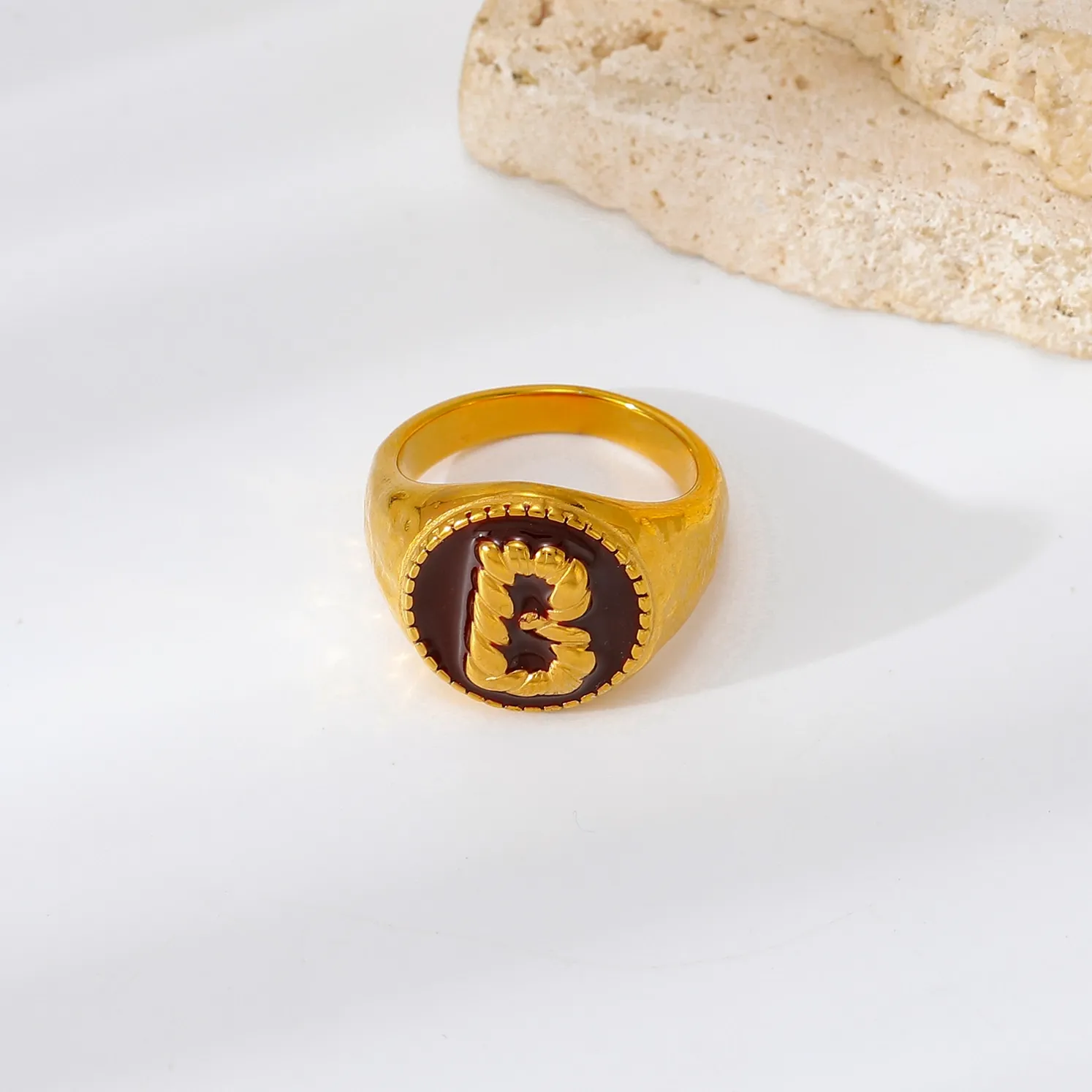
Texture is the fastest way to change how a piece of stainless steel jewelry looks and feels — the same alloy can read as a mirror-bright statement ring or a quiet, sand-washed everyday band, depending entirely on its surface. Yet "texture" is also one of the most confusing words in jewelry. Sellers use it interchangeably with "finish," shoppers use it for anything that is not flat, and product pages rarely explain what any of it means.
This guide clears that up. Below you will find the main jewelry texture types, how each one is produced, how each wears over years of daily use, and how to match texture to style — whether you are building a personal collection or planning a product line.
What "Texture" Means in Jewelry
Texture is the physical shape of a metal surface; finish is how that surface reflects light. The two work together, but they are not the same thing.
Run a finger across a hammered ring and you feel bumps and valleys. Run it across a brushed bangle and the surface is flat, but fine directional lines catch the light. The hammered piece is genuinely textured; the brushed piece is polished smooth and then finished with an abrasive. Both transform appearance, which is why the two words get swapped so often.
The distinction matters when you compare products: a texture changes the geometry of a piece permanently, while a finish can be renewed or altered over time. Knowing which one is doing the visual work helps you predict how a piece will look in five years, not just on day one.
The Main Jewelry Texture Types
Here are the jewelry texture types you will encounter most often in stainless steel, with how each looks and where each performs best.
Texture | How it looks | Best for |
|---|---|---|
Polished (mirror) | Highly reflective, glass-smooth | Statement rings, formal pieces, maximum shine |
Brushed / satin | Fine parallel lines with a soft glow | Everyday bands, bangles, wear-with-everything pieces |
Matte / frosted | Non-reflective, even tone | Minimalist cuffs, wide rings, understated looks |
Hammered | Irregular facets that scatter light | Artisan-style pendants, bangles, organic designs |
Twisted / rope | Spiraling rope pattern | Chains, eternity-style rings, vintage looks |
Braided / woven | Interlocked strands with visible depth | Curb bracelets, woven cuffs |
Engraved / embossed | Cut-in or raised patterns | Signet rings, monograms, botanical motifs |
Mesh / Milanese | Woven steel that moves like fabric | Watches, wrap bracelets, adjustable fits |
Sandblasted | Uniform fine-grain frost | Modern, industrial and two-tone designs |
No single texture is objectively best: polished maximizes shine, brushed and matte maximize subtlety, and dimensional textures like hammered and rope create visual interest without adding stones or color.
Most real collections mix several textures. A polished rope chain worn next to a brushed signet ring reads as intentional; a full case of mirror-polished pieces reads as loud. For retailers, texture variety is one of the most affordable ways to add depth to a product line, because it reuses the same alloy and the same molds.
How Each Texture Is Created
Production method | Resulting texture |
|---|---|
Progressive buffing with finer and finer compounds | Mirror polish |
Abrasive belts or brushes moving in one direction | Brushed / satin lines |
High-pressure blasting with fine media | Sandblasted matte |
Hammering with rounded faces, by hand or machine | Hammered facets |
Twisting several wire strands together | Rope and twisted patterns |
Weaving many thin steel wires | Mesh and woven straps |
Cutting, etching or stamping the surface | Engraved and embossed patterns |
Texture is built into a piece during production, before any coating is applied — which means the texture you choose also determines how a plated finish will look on top of it.
That point deserves emphasis. A PVD 18K gold plated ring will not look like liquid gold if the surface beneath is sandblasted; it will look like frosted gold. The coating follows the topography underneath it, faithfully.
Texture, Plating and Honest Wear Expectations
Because a coating follows its surface, the same plating wears differently on different textures. Polished surfaces show every micro-scratch within weeks of desk work, while brushed and hammered surfaces scatter new marks into an existing pattern where they simply disappear. If you want a piece to look new for as long as possible with minimal fuss, texture is your first line of defense.
PVD 18K gold plated finishes on stainless steel are dense and handle water, sweat and daily wear well — but no plating is permanent, and after years of constant friction on high-contact edges the gold tone gradually lightens.
That is the honest expectation to set: not that plating never wears, but that it wears slowly, unevenly in your favor on textured surfaces, and gracefully. Rotating pieces instead of wearing one every single day, and storing pieces so they do not rub against each other, stretch that timeline considerably. For a deeper look at how the process works, see our guide to the science behind PVD coating in jewelry: PVD Coating Jewelry: The Science Explained.
Matching Texture to Style and Occasion
Style | Textures that fit | Why it works |
|---|---|---|
Minimalist | Matte, brushed, sandblasted | Quiet surfaces keep clean lines in focus |
Classic / formal | Polished, rope, engraved | Shine and traditional patterns suit formal dress |
Bohemian / artisan | Hammered, braided | Irregularity reads as handmade character |
Streetwear / bold | Chunky matte, sandblasted, engraved | Big shapes in matte look modern, not flashy |
Office-appropriate | Brushed, soft polished | Reflective but not mirror-loud under office light |
When in doubt, brushed is the most versatile texture in stainless steel — formal enough for the office, understated enough for weekends, and forgiving of daily scratches.
If you are weighing polished against matte in more detail, our comparison of matte vs polished stainless steel breaks down how each behaves over months of wear.
How Textures Age and How to Care for Them
Scratch visibility varies enormously between jewelry texture types, which turns texture into a maintenance decision, not just an aesthetic one.
- Polished shows every scratch and fingerprint; it looks stunning on day one and needs regular re-buffing to stay that way
- Brushed hides light marks inside its grain, so small scratches blend in rather than stand out
- Matte and sandblasted hide marks well, though high-contact points can slowly polish themselves glossy as years pass
- Hammered, rope and engraved are the most forgiving, because new wear disappears into an already busy surface
Cleaning is the same across all textures: lukewarm water, a drop of mild soap, a soft brush for crevices, and a dry cloth to finish. Skip abrasive creams on plated and polished surfaces, and store pieces separately so textures do not scratch one another in the box.
Choose texture the way you choose a car color: mirror finishes look incredible when clean, but satin finishes look good even when you never clean them.
For how these surfaces fit into a broader finishing strategy, see our stainless steel jewelry finishes guide.
Frequently Asked Questions
What are the main jewelry texture types?
The core jewelry texture types are polished (mirror), brushed or satin, matte or frosted, hammered, twisted or rope, braided or woven, engraved or embossed, mesh, and sandblasted. Strictly speaking, polished, brushed and matte are surface finishes, while hammered, rope and mesh change the physical shape of a piece — but retailers group them all as textures, and shoppers search them the same way.
Which texture hides scratches best?
Hammered and heavily textured surfaces hide scratches best, because new marks vanish into an already irregular surface. Brushed finishes come next, since fine scratches blend into the directional grain. Polished surfaces hide scratches worst — every mark catches the light — which is why polished pieces suit occasional wear while brushed pieces suit daily wear.
Can textured stainless steel be gold plated?
Yes. PVD 18K gold plated finishes follow the surface underneath, so a hammered ring becomes faceted gold and a brushed bangle becomes satin gold. The coating deposits evenly over the texture and keeps the design's character. Keep in mind that fine textured edges are high-friction zones, so plating there may lighten slightly sooner than on smooth surfaces.
Does texture change how jewelry feels to wear?
It does, noticeably. Polished and matte surfaces feel smooth against skin and warm up quickly, brushed feels subtly tactile, and dimensional textures like rope, mesh and hammered create ridges you sense with every movement. Most people stop noticing within a day, but for pieces worn while sleeping, smoother textures are usually the more comfortable choice.
How do I clean textured stainless steel jewelry?
Use lukewarm water with a drop of mild soap and a soft brush — an old toothbrush works well — to lift residue from the crevices of hammered, braided or engraved surfaces. Rinse thoroughly, dry with a soft cloth and store pieces apart. Avoid abrasive pastes on plated pieces, and never use steel wool, which scratches the surface permanently.
Wholesale Stainless Steel Jewelry from IVANDA
Looking for a reliable stainless steel jewelry supplier? IVANDA supplies 316L pieces with PVD 18K gold plating - waterproof, skin-friendly and made for everyday wear. MOQ 60 pcs per style, in stock and ready to ship, with OEM/ODM services for custom designs. Message us on WhatsApp or email sales01@ivanda-fa.com for the latest catalog and wholesale prices.