Oct 21, 2026
The Complete Guide to Stainless Steel Bracelet Styles
Explore stainless steel bracelet styles by chain, cuff, bead, bangle and charm design, with fit, layering, finish and merchandising advice.
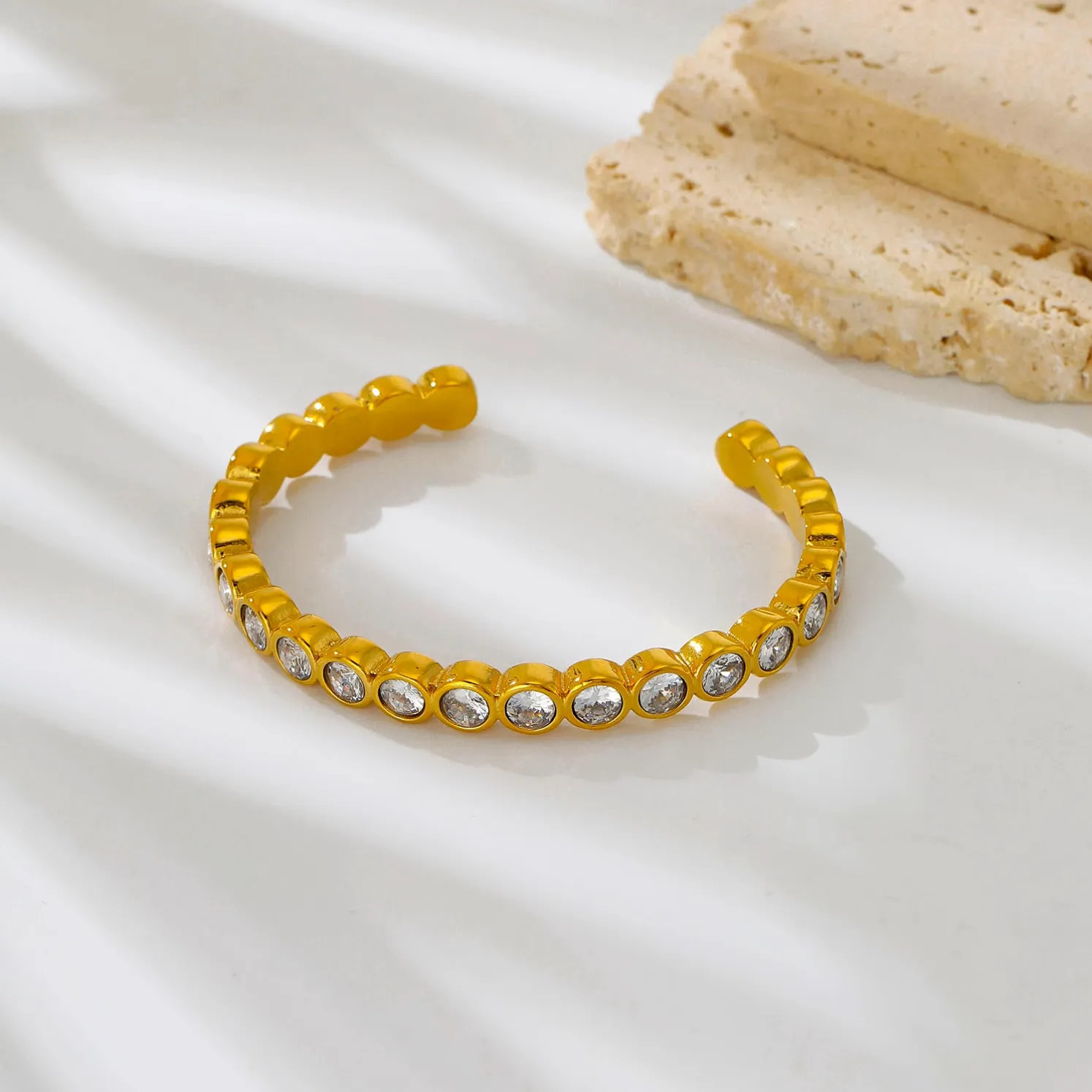
The right stainless steel bracelet style can change an entire outfit, but choosing one is easier when you start with construction, fit and visual weight rather than a vague label such as “classic.” Chains feel fluid, cuffs create structure, bangles add movement, and bead bracelets bring texture. Each style also gives a retailer a different story for display, gifting and repeat purchases.
This guide breaks down the main stainless steel bracelet styles and explains how to match them with wrists, outfits and customer preferences. It also covers finishes, sizing and honest care language for everyday collections.
Stainless Steel Bracelet Styles at a Glance
Style | Visual character | Best for | Fit note |
|---|---|---|---|
Link chain | Fluid, polished and adaptable | Daily styling and layering | Measure wrist plus preferred ease |
Cuff | Structured and architectural | Minimal or statement looks | Check opening and edge comfort |
Bangle | Clean, circular and mobile | Stacking and gifting | Slides over the hand; not clasped |
Bead bracelet | Textured and relaxed | Casual layering | Elastic or clasp should be checked |
ID or plate bracelet | Personal and graphic | Initials, logos or gifting | Plate should sit flat on the wrist |
Charm bracelet | Collectible and expressive | Story-led collections | Allow room for charms to move |
Takeaway: style names are useful only when they explain how the bracelet looks, fits and behaves on the wrist.
Link Chain Bracelets
Link chain bracelets are the most versatile starting point for a stainless steel range. They can be fine and understated, bold and industrial, or shaped with alternating polished and brushed links. Because the links move, the bracelet follows the wrist naturally and works well with both a shirt cuff and a stacked look.
Common variations include curb, cable, paperclip, rolo and box-inspired links. A curb chain lies relatively flat, while a paperclip chain creates longer graphic shapes. A thicker link gives visual authority; a slimmer link feels more delicate and layers easily beside a watch or bangle.
When buying or merchandising chain bracelets, inspect the clasp, connecting rings and flexibility. A beautiful link pattern cannot rescue a closure that feels difficult to use. Product photos should show the bracelet flat and on a wrist so shoppers understand scale.
Takeaway: link chains are the collection workhorse, and the best choice comes down to link profile, scale and clasp experience.
Cuffs and Open Bracelets
Cuffs have an architectural quality because they hold a defined shape rather than moving like a chain. A smooth polished cuff looks minimal, while a hammered, engraved or black-finished cuff creates more texture. Open cuffs can be easier to put on than clasped designs, but the opening must be shaped carefully so it does not catch clothing or press against the wrist.
A cuff should not be presented as universally adjustable. Repeatedly forcing a rigid piece open and closed can distort its shape or create stress at the ends. Give customers a size range, inner circumference or opening measurement, plus a clear note about how the bracelet should be put on.
Cuffs are strong visual anchors in a display. Place them beside slim chains to show contrast, or present one alone on a form to emphasize its silhouette. A PVD 18K gold plated cuff adds warm color, but describe the coating accurately and explain that friction can gradually affect the surface.
Takeaway: cuffs sell through shape and structure, so comfort, opening design and measurement should be part of the product story.
Bangles and Hinged Designs
Bangles bring a clean circular line to the wrist. Traditional open bangles slide over the hand and move freely, while hinged bangles use a closure for a more secure routine. A smooth steel bangle can look refined alone; a set of mixed widths creates a sharper stack without needing many different materials.
The key fit question is whether the bangle passes over the widest part of the hand comfortably. Unlike a chain bracelet, it cannot simply be adjusted at the clasp. Add the inner diameter or circumference to the listing, and show a photo of the bangle on a wrist rather than relying on a model's hand alone.
Hinges and locks deserve careful inspection. They should close with a clear action without feeling stiff, and the edges should be smooth when the wrist moves. If the bangle is colored, keep hard metal pieces from rubbing together in storage.
Takeaway: bangles are size-sensitive because the hand, not only the wrist, determines whether they can be worn.
Bead and Mixed-Material Bracelets
Bead bracelets soften the visual character of stainless steel. Round, faceted or geometric steel beads can be threaded on elastic, cord or a clasped chain. Some designs combine steel with stone, glass, wood or textile elements to create a more relaxed story while keeping steel as the focal material.
Mixed materials require a mixed care plan. The steel may tolerate routine moisture, but cord, elastic, stones and adhesives may not. Tell customers which component should stay dry and how to store the bracelet without stretching it. Avoid describing the entire design with the care profile of only one material.
For retailers, bead bracelets are easy add-on products. They can be grouped by color, texture or theme next to a watch or chain. Use consistent bead sizes within a display so the range looks intentional rather than random.
Takeaway: bead bracelets expand the styling range, but the least water-resistant component sets the care expectation.
ID, Plate and Charm Bracelets
ID bracelets use a flat plate, bar or engraved element as the visual center. They suit personalisation, coordinates, initials and short messages. The plate should lie comfortably without flipping constantly, and the lettering should remain legible at the actual size shown in the listing.
Charm bracelets turn the wrist into a story. Charms can mark travel, hobbies, milestones or seasonal themes, giving customers a reason to return for another piece. The chain must be strong enough for the intended charm load, and the attachment rings should close cleanly. Overloading a bracelet can affect comfort and cause more surface contact between components.
Both styles work well for gifting. Photograph the front detail close up, then include a full-wrist image to show proportion. If a design uses PVD 18K gold plating, use that exact phrase in product copy rather than calling the item solid gold.
Takeaway: ID and charm bracelets create personal meaning, so detail legibility, load and honest finish wording matter as much as the base metal.
Finishes and Color Choices
Stainless steel bracelets may be polished, brushed, hammered, black finished or PVD 18K gold plated. Polished silver tone reflects light and supports a clean product photograph. Brushed steel hides small handling marks more easily and feels quieter. Black finish adds contrast, while PVD 18K gold plating introduces a warm color without changing the base-metal description.
No finish is immune to wear. Plated color can gradually thin at a clasp, underside or edge that repeatedly contacts a desk. Store bracelets with enough separation to prevent rubbing, and avoid promising that any surface will remain unchanged forever. Honest care instructions make the product feel more considered, not less valuable.
A coordinated collection can use one link pattern across several finishes. This lets shoppers choose color without learning a completely new silhouette and gives retailers a simple way to create a family of products.
Takeaway: finish changes the mood of a bracelet, while care and friction determine how that mood holds up over time.
Frequently Asked Questions
What is the most versatile stainless steel bracelet style?
A medium link chain is usually the most versatile because it can be worn alone, beside a watch or in a stack. Choose a link profile that lies comfortably on the wrist and a clasp customers can operate easily. A slim chain feels quieter, while a wider curb or paperclip link creates a stronger statement.
Are cuffs or bangles easier to fit?
Neither is automatically easier. A cuff may have an opening, but its inner shape and width still need to suit the wrist. A bangle must pass over the widest part of the hand, so inner diameter is critical. Always publish measurements and explain how the customer should put the piece on.
Can I stack different stainless steel bracelet styles?
Yes. Combine one dominant piece with quieter companions: for example, a medium link chain with a slim bangle and a small bead bracelet. Vary width, texture or movement rather than making every piece equally bold. Keep finishes coordinated, and allow enough room so components do not constantly scrape each other.
How should a PVD 18K gold plated bracelet be described?
Describe it as stainless steel with PVD 18K gold plating. That tells the buyer the base material and the surface finish without implying solid gold. Add practical care guidance and explain that the coating can gradually wear at high-friction points such as clasps, edges and bracelet undersides.
How do I choose the right bracelet size?
Measure the wrist where the bracelet will sit, then choose the amount of ease that matches the style. A chain needs movement, a cuff needs a comfortable inner shape, and a bangle must pass over the hand. Check the supplier's finished dimensions rather than relying on a small, medium or large label alone.
Wholesale Stainless Steel Jewelry from IVANDA
Looking for a reliable stainless steel jewelry supplier? IVANDA supplies 316L pieces with PVD 18K gold plating - waterproof, skin-friendly and made for everyday wear. MOQ 60 pcs per style, in stock and ready to ship, with OEM/ODM services for custom designs. Message us on WhatsApp or email sales01@ivanda-fa.com for the latest catalog and wholesale prices.