Oct 24, 2026
How to Choose Between Hoops and Studs for Daily Wear
Hoops vs studs for everyday earrings: comfort, sleeping, work and styling compared — plus a simple two-pair rotation that covers every situation.
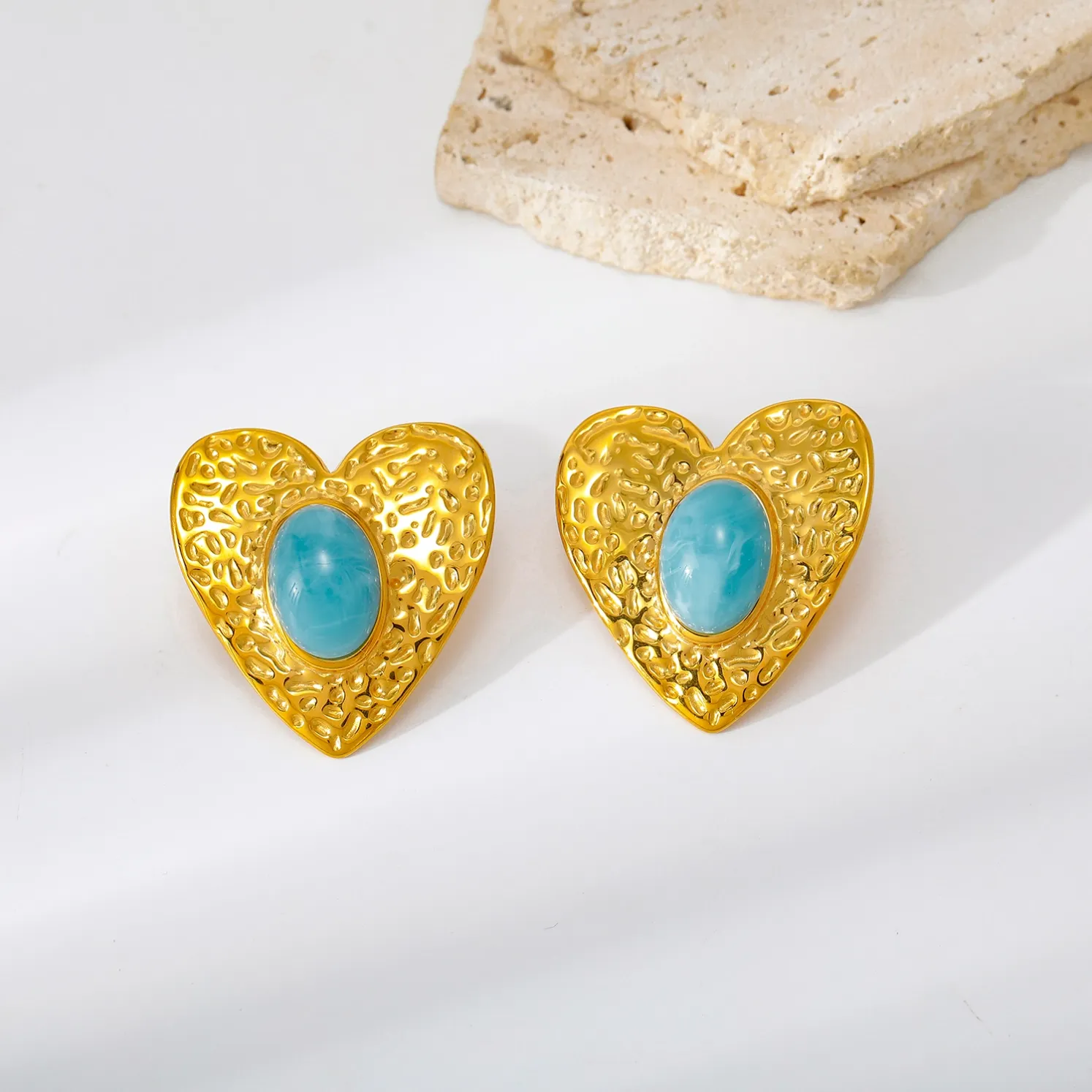
Studs are the low-maintenance default — flat, snag-free and pillow-safe; hoops are the small styling upgrade that frames your face but asks a little more care. In the hoops vs studs question, the honest answer is that most people eventually wear both, on different days. But if you are choosing your one everyday pair, the decision comes down to how you sleep, how you work and how much friction your average day contains.
This guide compares the two across comfort, lifestyle and styling, then shows you a simple rotation that covers every situation daily life throws at an earring.
The Core Difference at a Glance
A stud disappears into your day; a hoop becomes part of your look.
Factor | Studs | Hoops |
|---|---|---|
Profile | Sits flat against the lobe | Rings around the lobe |
Sleeping in them | Usually fine | Better removed first |
Snag risk | Low | Higher — hair, scarves, masks, headphones |
Visual effect | Quiet polish | Frames the face, adds movement |
Best daily role | The default pair | The dressed-up-but-casual pair |
Neither style is "better" — they solve different problems. Studs solve the problem of forgetting your earrings exist; hoops solve the problem of an outfit that needs exactly one more thing. Once you see them as two tools instead of one competition, the choice for any given day becomes obvious.
Comfort: Sleep, Headphones and Long Days
If you never take your earrings out, studs are the safer default; hoops reward you with looks, not with pillow-friendliness.
Sleeping is the clearest dividing line. A well-fitted stud lies flat and you will not feel it against the pillow; a rigid hoop presses into the side of your head and can bend out of shape overnight. If you are a side sleeper who refuses to take earrings off, this part of the decision makes itself.
Headphones, face masks, scarves and turtlenecks all compete for the same space a hoop occupies, and loose hair is the classic culprit — strands catch in the opening and pull. The closing mechanism matters as much as the shape here: some closures hold far better under daily friction than others, and our guide to earring back types explains which ones survive months of on-and-off without loosening.
For wearers whose ears complain after long days in anything, the material and finish matter as much as the silhouette — that side of the decision is covered in our guide to earrings for sensitive ears.
Lifestyle: Work, Gym, Travel and Everything Between
Match the earring to the risk of your day: the more friction your routine involves, the smaller and flatter your daily pair should be.
Situation | Safer pick | Why |
|---|---|---|
Office and meetings | Studs or very small hoops | Quiet, professional, nothing to fidget with |
Gym and sports | Small studs or snug huggies | Nothing projects to catch on equipment |
Video calls | Small-to-medium hoops | The camera sees exactly what hoops do best |
Travel days | Studs | Scarves, neck pillows and naps in transit |
Evenings and events | Larger hoops | Instant polish with zero effort |
A gym session in large rigid hoops is how hoops get bent and lobes get scraped. A wedding in plain studs is a missed opportunity. Neither style is ever wrong — timing is what gets the choice right, and the same jewelry box holds both answers.
Styling: Face, Hair and Outfit
Hoops add movement and frame the face; studs add polish without changing your silhouette.
Hair is the biggest variable. Hair worn up shows off hoops and gives them room to move; hair worn down tangles with them, so many people switch to studs automatically in winter or while growing out a cut. Necklines work the same way: collars, turtlenecks and high necklines crowd a hoop, while open necklines give it space to do its one job.
Studs are the opposite kind of tool — they do not interact with your hair or clothes at all, which is precisely why they work with everything. They are also the pair that disappears under a helmet, a hood or a work headset. If you want to see how both fit into the wider lineup of silhouettes, our guide to stainless steel earring styles covers the full range from huggies to drops.
A Two-Pair Rotation That Covers Everything
One simple stud and one medium hoop cover nearly every situation — the real decision is owning both, not choosing one forever.
Make the studs your never-think-about-it pair: waterproof steel, small, secure backs, fine to fall asleep in on late nights. Make the hoop your intentional pair: the size that reads clearly across a room but still fits under a mask strap, taken off before bed as a two-second habit.
If your hoop is a PVD 18K gold plated piece, expect years of consistent color — and expect that color to soften very gradually with friction from hair and scarves over time. No plating is permanent, and it is more honest to plan for mellowing than for perfection. The advantage of steel is what happens underneath: even as the finish ages, the piece itself never rusts, never bends out of round and never breaks.
Frequently Asked Questions
Short answers to the most common hoops vs studs questions.
One more practical note: if you alternate between the two styles in the same week, check the backs and hinges each time you switch. Hinged hoops collect product film at the joint, and studs collect it behind the ear where the back sits. A five-second wipe at swap time keeps both styles bright and keeps the sensitive-ear case under control.
Are hoops or studs better for sleeping?
Studs. They sit flat against the lobe and do not press into the skin overnight, while a rigid hoop catches on the pillow and can bend or irritate the piercing. If sleeping in earrings is non-negotiable, choose small, smooth studs with secure backs — and check the backs occasionally, because they loosen slowly over months of wear.
Do hoops or studs snag more?
Hoops, by a wide margin. The open circle catches hair strands, scarf threads, mask straps and headphone pads — anywhere fabric passes the jaw. Studs present almost no surface for anything to catch on. Snagging is also a sizing question: small, snug huggie-style hoops avoid most of the trouble that large, loose hoops invite.
Which looks more professional: hoops or studs?
Both read professional when sized correctly. Small studs are the zero-risk default in conservative settings, while a slim small-to-medium hoop reads polished and current rather than casual. Very large hoops are the only version that can clash with formal dress codes. When in doubt, match the office: a traditional field gets studs; a creative field takes hoops freely.
What hoop size is best for daily wear?
For most people it is the smallest size that still reads clearly as a hoop — close-fitting styles that hug the lobe. They clear masks, collars and hair better, survive forgotten naps, and frame the face on video calls. Larger sizes have their place for evenings, but daily wear rewards the snug, light option you never have to manage.
Can I switch between hoops and studs on the same piercing?
Yes, once the piercing is fully healed — a healed lobe handles both shapes with no issue. While a new piercing heals, keep the first piece in and follow your piercer's guidance before changing anything. Afterward, switching between the two is exactly how most people arrive at a rotation: studs for busy days, hoops for everything worth remembering.
Wholesale Stainless Steel Jewelry from IVANDA
Looking for a reliable stainless steel jewelry supplier? IVANDA supplies 316L pieces with PVD 18K gold plating - waterproof, skin-friendly and made for everyday wear. MOQ 60 pcs per style, in stock and ready to ship, with OEM/ODM services for custom designs. Message us on WhatsApp or email sales01@ivanda-fa.com for the latest catalog and wholesale prices.