Oct 21, 2026
Laser Engraving on Stainless Steel Jewelry: Buyer Guide
Learn what buyers need to know about laser engraving stainless steel jewelry, including artwork, placement, contrast, durability, samples, and care.
Laser engraving stainless steel jewelry can turn a standard ring, pendant, bracelet, or tag into a more personal product, but the final result depends on artwork, surface preparation, placement, contrast, and the selected finish. A successful engraving is not created by simply uploading a logo and asking for the smallest possible detail.
Buyers who understand the process can prepare cleaner files, choose more realistic placement, and evaluate samples with the right expectations. This guide covers practical decisions that influence an engraved stainless steel piece.
What Laser Engraving Does to Stainless Steel
Takeaway: Laser engraving creates a controlled mark by changing or removing material at the surface, and the visual result depends on the laser settings and the surface being marked.
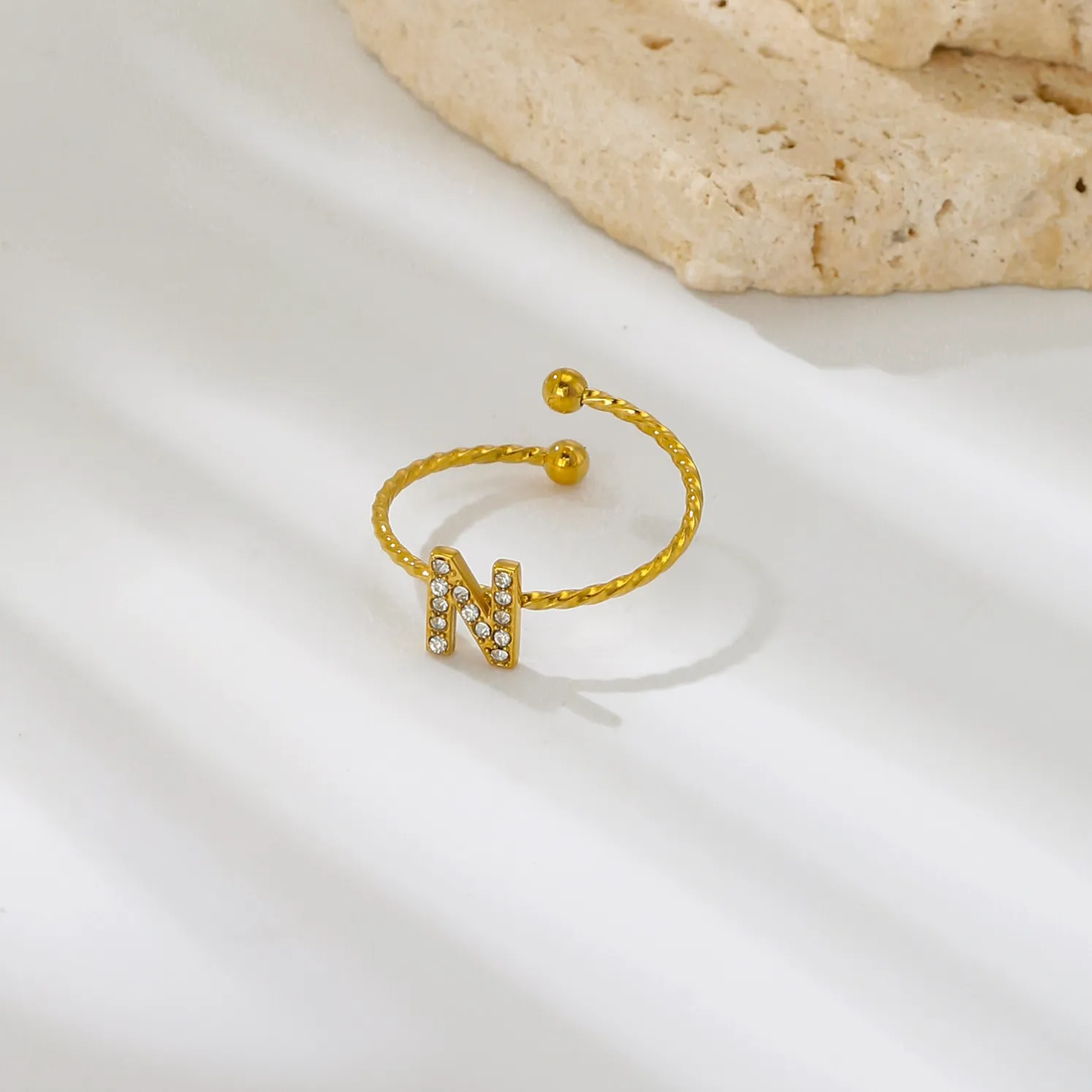
A laser can mark stainless steel with text, symbols, line art, serial-style identifiers, or brand graphics. Depending on the equipment and settings, the result may appear dark, frosted, bright, or subtly contrasted against a polished surface. The mark is not the same as printing ink on top of the jewelry.
The operator selects settings based on the material, finish, desired depth, line width, and artwork. Too little energy may produce a weak mark; too much can create unwanted heat effects, distortion, or an overly aggressive surface change. This is why a sample is important before a larger production run.
The piece’s geometry also matters. A flat plate offers more predictable placement than a narrow curved band. On a curved surface, text may need adjusted spacing, orientation, or size so it remains readable from a normal viewing angle.
Choose the Right Artwork
Takeaway: Simple, high-contrast artwork with enough breathing room usually engraves more reliably than tiny, crowded detail.
Prepare vector artwork whenever possible. Vector files allow the engraving provider to scale lines and shapes more cleanly than a low-resolution screenshot. Supply the exact text, logo proportions, preferred orientation, and any required clear space around the mark.
Check the following before sending a file:
- Spelling, punctuation, capitalization, and dates.
- Minimum line thickness recommended by the supplier.
- Whether very small counters in letters will remain open.
- Whether the logo includes gradients, shadows, or fine texture.
- Whether the design should be mirrored for a specific placement.
- Whether the final size has been approved on a physical sample.
Fine details can merge when reduced to a small engraving area. A simplified version of a logo may produce a clearer result than a literal miniature copy. For handwriting, signatures, and intricate symbols, provide the cleanest source image available and confirm how much detail can be retained.
Placement by Jewelry Type
Takeaway: Placement should follow the shape, viewing angle, and natural contact points of the jewelry rather than the artwork alone.
Jewelry type | Common placement direction | Key consideration |
|---|---|---|
Flat pendant | Front, back, or side | Keep text aligned with how the pendant hangs |
Ring | Inner or outer band | Curvature and available width affect readability |
Bracelet plate | Outer plate or underside | Check rubbing against skin and clothing |
Bar necklace | Front face or reverse | Confirm orientation when worn |
Earring charm | Front surface | Keep the mark visible without adding visual clutter |
Jewelry tag | Front or back | Allow room for logo plus essential text |
Ask for a layout proof showing the engraving within the actual product outline. A mark that looks centered in a rectangular file may feel off-center once the item hangs, curves, or rotates.
If the item has a PVD 18K gold plated surface, clarify whether the mark is made through the coating, on top of it, or in a prepared area. The appearance and long-term wear can differ. A laser mark does not make the surrounding coating permanent; exposed edges and contact areas can still experience finish wear.
Engraving on Polished, Brushed, and Colored Surfaces
Takeaway: Surface texture and color affect contrast, so the same artwork can look different on polished stainless steel, brushed steel, and PVD 18K gold plated surfaces.
A polished surface reflects light strongly. A brushed surface diffuses light and may make a fine mark appear softer or less distinct. Textured surfaces can interrupt small lines and reduce readability. When selecting a finish, consider both the visual style and the contrast needed for the engraving.
Gold-colored stainless steel should be described accurately as PVD 18K gold plated when that is the selected surface. The gold-colored appearance comes from a coating over the base material. Depending on the process, engraving may reveal a different visual tone beneath the surface or may create a contrast effect within the coating. Confirm the result with a physical sample instead of assuming every machine produces the same appearance.
PVD is a surface finish, not an unlimited wear guarantee. Repeated rubbing from chains, clasps, skin, clothing, or other jewelry can gradually affect the coating around high-contact areas. Set expectations accordingly in product copy and care instructions.
Durability and Daily Use
Takeaway: A laser mark can be durable, but the surrounding surface, coating, geometry, and use conditions still determine how the whole design ages.
An engraving that changes the metal surface is generally less dependent on a printed layer staying attached. However, scratches, polishing, abrasion, dents, and wear can affect how easily the mark is seen. A shallow mark on a frequently rubbed surface may lose contrast before a protected mark on a recessed area does.
For PVD 18K gold plated pieces, distinguish the engraved area from the coating around it. If the coating is scratched or worn, the visual relationship between the mark and the surrounding color may change. This is normal surface wear, not proof that the laser engraving process failed.
Provide care guidance that matches the design. Recommend a soft cloth, separation during storage, and avoidance of harsh cleaners, abrasive tools, unnecessary impact, and prolonged exposure to chlorine or salt. Dry the jewelry after contact with water or sweat.
Sampling and Quality Checks
Takeaway: Approve the complete finished sample, not only a digital rendering or a mark on an unrelated metal test plate.
Before production, review a sample for:
- Correct text, logo, and orientation.
- Position relative to the product shape.
- Line clarity at normal viewing distance.
- Contrast on the chosen surface finish.
- Smooth edges without unwanted burn marks or distortion.
- Consistency between paired or matching pieces.
- Compatibility with clasps, connectors, and moving areas.
For repeat orders, keep the approved artwork file and a reference sample or approved visual standard. If the supplier changes the base finish, engraving machine, product geometry, or coating process, request a new confirmation sample. Small process changes can alter contrast and line sharpness.
Customization Workflow for Buyers
Takeaway: A clear approval workflow reduces preventable errors more effectively than trying to correct engraving after production.
A practical process is:
- Select the base product and surface finish.
- Confirm the engraving area and maximum artwork size.
- Send vector artwork and exact text.
- Review a digital layout proof.
- Approve a physical sample.
- Confirm the production reference and care card.
- Inspect the finished pieces for alignment and legibility.
Keep engraving details separate from general product instructions. A buyer may want different text, placement, or orientation across several styles. A clear approval record helps avoid mixing files or applying a pendant layout to a ring or bracelet plate.
For brands planning several custom styles, how custom jewelry manufacturing works step by step offers a broader view of development, sampling, and production decisions.
Frequently Asked Questions
Is laser engraving permanent on stainless steel jewelry?
Laser engraving can create a durable surface mark, but “permanent” should not mean immune to all wear. Scratches, polishing, impact, abrasion, and surface changes can reduce contrast or affect readability. On PVD 18K gold plated jewelry, the surrounding coating can also wear at high-friction points, changing how the engraving appears over time.
Can you laser engrave PVD 18K gold plated stainless steel?
It may be possible, but the visual result depends on the coating, laser settings, engraving location, and desired contrast. Ask the supplier whether the mark is made through the coating or on a prepared area, then approve a physical sample. Do not assume a result on uncoated stainless steel will look the same on a gold-colored surface.
What file is best for laser engraving jewelry?
A clean vector file is usually the most useful starting point because it can scale without the same loss of edge definition as a small raster image. Provide exact text and confirm line thickness, clear space, orientation, and final size. For handwriting or signatures, supply a high-quality scan and ask for a physical sample at the intended dimensions.
How small can text be engraved on jewelry?
The practical minimum depends on the product’s surface area, curvature, material finish, machine, font, and desired contrast. Very small text can close up or become difficult to read after polishing and normal wear. Ask for the supplier’s minimum line and character guidance, then evaluate the actual size on a finished sample rather than relying on a screen preview.
How should I care for engraved stainless steel jewelry?
Wipe the piece with a soft cloth, keep it separate from abrasive items, and avoid harsh cleaners, rough polishing tools, prolonged chlorine or salt exposure, and unnecessary impact. Dry it after water or sweat. If the piece is PVD 18K gold plated, reduce friction and contact with perfumes or lotions because the surface coating can gradually wear at exposed areas.
Wholesale Stainless Steel Jewelry from IVANDA
Looking for a reliable stainless steel jewelry supplier? IVANDA supplies 316L pieces with PVD 18K gold plating - waterproof, skin-friendly and made for everyday wear. MOQ 60 pcs per style, in stock and ready to ship, with OEM/ODM services for custom designs. Message us on WhatsApp or email sales01@ivanda-fa.com for the latest catalog and wholesale prices.