Oct 26, 2026
Necklaces and Necklines: The Pairing Guide
Which necklace suits which neckline? A pairing guide for pendant, choker and opera length chains, with styling rules for every common neckline.
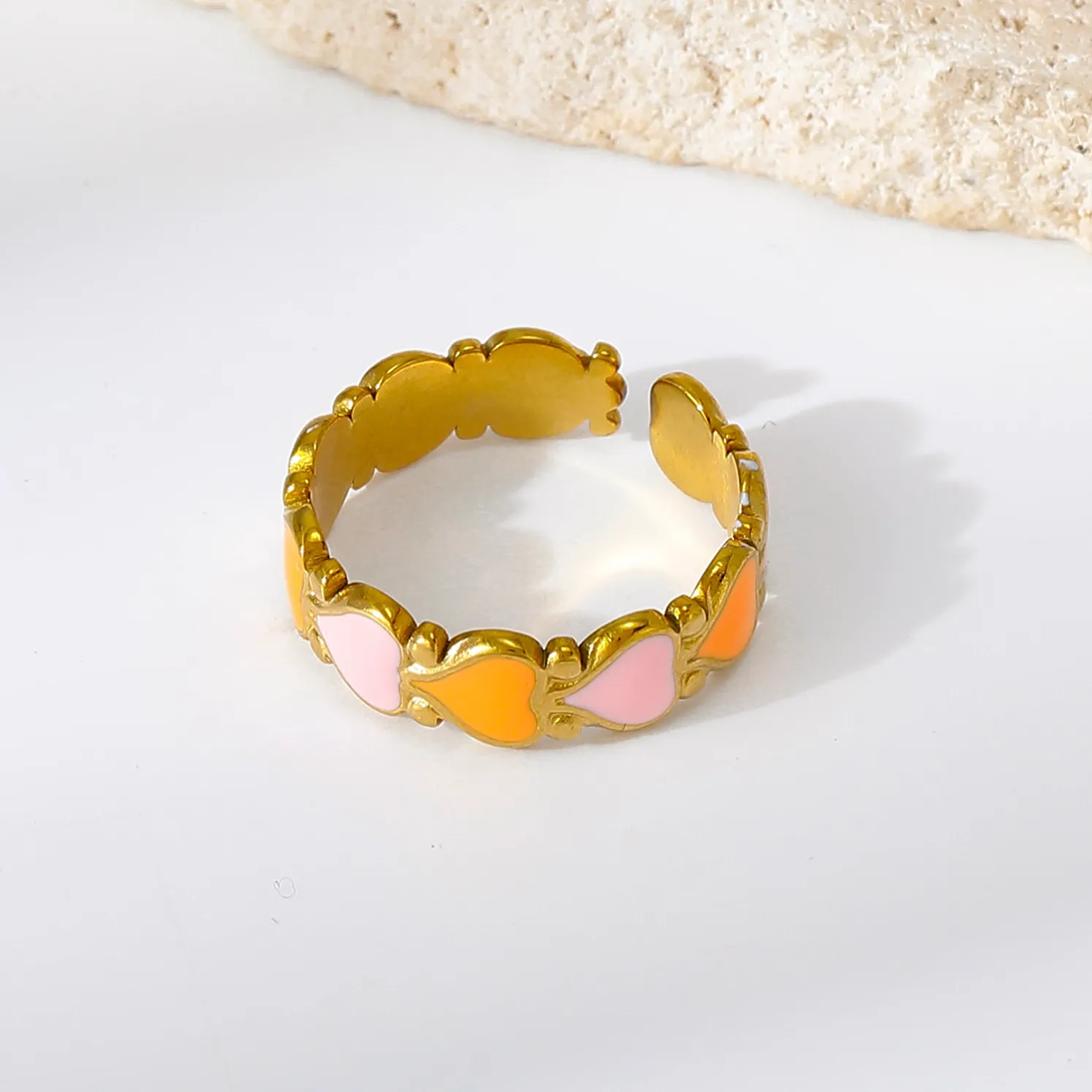
A necklace and a neckline either work together or work against each other — and the outcome is decided by where the chain falls relative to the fabric. A chain that rests on bare skin inside the neckline's frame makes the whole outfit look deliberate. A chain that lands on fabric gets lost, tangles, or reads as an accident.
This guide covers the necklines customers actually wear — scoop, V-neck, crew, square, strapless, halter and collared shirts — and matches each one to necklace styles and lengths you can reuse in displays, customer chats and product pages.
Why Neckline Shape Decides Necklace Choice
Every neckline draws an invisible frame around the throat and collarbones, and the right necklace completes that frame instead of crossing it.
Two questions settle most pairings: how much skin the neckline opens up, and where the fabric edge sits — at the throat, at the collarbone, or below the chest. That edge is the line a pendant will either rest above or collide with.
Neckline | Space it opens | Best necklace match | Best length |
|---|---|---|---|
Scoop | Wide, rounded open area | Pendant or layered chains | 18–20 in |
V-neck | Deep, narrow triangle | Pendant that echoes the V | 20–24 in |
Crew | Almost none at the chest | Long pendant or chain | 24–28 in |
Strapless | Full collarbone and shoulders | Collar or choker | 14–16 in |
Square | Structured open rectangle | Geometric pendant | 18–20 in |
Halter | High, narrow opening | One long, clean line | 28 in and up |
Scoop Necklines
Scoop necks are the most forgiving neckline in jewelry styling, because the wide curve gives almost any mid-length chain a clear stage.
The rounded opening exposes the collarbones evenly, so pendants and layered pairs all sit in visible space. A single pendant at 18–20 inches centers itself naturally in the curve. For layered looks, keep the shortest chain above the fabric edge and let each lower layer fall inside the opening. Our necklace chain length guide helps customers convert these rules into their own measurements.
V-Necklines
A V-neck asks for a necklace that repeats its geometry — the pendant or the chain's lowest point should aim down the same axis as the fabric.
A lariat, a drop pendant, or a chain worn at 20–24 inches so its dip sits inside the V all work with the neckline's own line, and a longer pendant that ends just above the fabric's point fills a deep V without crowding it. Avoid collars and chokers: they crowd the throat while the V pulls the eye downward.
Crew and High Necklines
With a crew neck, the fabric claims the collarbone — so move the necklace clearly below it or boldly above it, never onto it.
A short chain against a crew neck disappears into the knit. Two options work. A long chain with a pendant at 24–28 inches creates a vertical line down the plain front panel. Or, when the collar sits low enough at the throat, a chunky chain worn above the edge reads as a deliberate contrast. Turtlenecks follow the same logic: bold short chains over the knit, or long pendants falling beside it.
Strapless, Sweetheart and Off-the-Shoulder
Bare shoulders leave the collarbone fully exposed, which makes the strapless family the natural home of collars, chokers and short statement chains.
With nothing competing at the throat, a 14–16 inch collar or choker frames the neck cleanly, and a short pendant works too. Long chains drift toward the bust and unbalance the look. If the neckline itself is detailed — ruffles, draping, beading — simplify the necklace instead of adding to the noise.
Square and Halter Necklines
Square necklines pair with angular jewelry, while halters usually look better with either nothing at the throat or one long vertical line.
The straight horizontal edge of a square neck flatters geometric pendants and flat chain styles worn at 18–20 inches, echoing the neckline's architecture. Halters invert the problem: straps or fabric fill the center of the chest, so short chains tangle visually with them. A single long pendant in front, worn as a clean vertical line, keeps the look open.
Collared Shirts and Button-Ups
An open collar turns the shirt itself into a frame, and necklace choice depends on how many buttons are open.
With one or two buttons open, the space forms a narrow V, and a fine chain with a small pendant fills it without crowding. With three or more buttons open, treat the shirt like a V-neck and wear a 20–24 inch pendant inside the opening. Under a closed collar, only long chains that emerge below its hem read at all.
Length, Layering and Stainless Steel
Most pairing problems are solved before styling starts — by choosing the right length chain in a material that keeps its finish through daily wear.
Stainless steel covers both needs: chains in 316L hold their polish through sweat, water and daily handling, while a PVD 18K gold plated finish keeps a consistent warm tone that layers cleanly against any fabric. When layering, keep roughly two inches between chains so the layers stay distinct, and place the shortest layer inside the neckline's open area. An honest note on gold tones: a PVD 18K gold plated finish resists far more abrasion than classic electroplating, but no plating is permanent — after years of constant wear, high-friction spots such as clasp edges can lighten slightly. The overview of stainless steel necklace types maps which chain constructions suit layered looks best.
Common Pairing Mistakes to Avoid
Nearly every pairing mistake reduces to one error: letting the chain and the neckline occupy the same line at the same time.
Mistake | Why it fails | Quick fix |
|---|---|---|
Choker over a crew neck | Chain sits half on fabric, half on skin | Move to a 24–28 in pendant chain |
Long pendant with a sweetheart neckline | Pendant drifts off-center over the curve | Switch to a 16 in collar or choker |
Heavy chain inside a deep V | Overpowers the neckline's own line | Use a slim chain that repeats the V |
Layering with no length gaps | Chains tangle into one mass | Space layers about 2 in apart |
Frequently Asked Questions
These answers are sized for quick reuse in customer chats and product descriptions.
What necklace length works with a scoop neck?
An 18–20 inch chain places a pendant right in the center of the scoop's opening, exactly where the eye lands. If the scoop is wide and cut low, a 20–22 inch chain keeps the pendant on skin instead of letting it drift onto fabric. Layered chains also work well here when each layer sits at least two inches below the one above it.
Should a necklace sit above or below a crew neckline?
Below is the reliable choice. A pendant chain at 24–28 inches hangs on the plain fabric panel and creates a vertical line that flatters the outfit. A short chain above a crew neck only works when the piece is bold enough to read as a deliberate contrast — a chunky curb or collar chain rather than a fine one that gets lost against the fabric.
What necklace do you wear with a halter top?
Skip short chains, because the halter's straps already fill the center of the chest and a choker tangles visually with them. The two clean options are a very long pendant worn in front as a single vertical line, or no necklace at all — letting statement earrings or the top's own detailing carry the interest instead.
Can you layer necklaces with a V-neck?
Yes, and the V actually helps layering by giving the stack a direction. Keep the shortest chain above the fabric edge, then let two or three layers descend inside the V so their lowest points all aim down the same axis. Mixing chain textures — a rope chain with a paperclip, for example — keeps the layers visually distinct at close range.
Wholesale Stainless Steel Jewelry from IVANDA
Looking for a reliable stainless steel jewelry supplier? IVANDA supplies 316L pieces with PVD 18K gold plating - waterproof, skin-friendly and made for everyday wear. MOQ 60 pcs per style, in stock and ready to ship, with OEM/ODM services for custom designs. Message us on WhatsApp or email sales01@ivanda-fa.com for the latest catalog and wholesale prices.