Oct 30, 2026
PVD Gold Plated Jewelry Manufacturing: Colors, Durability
How PVD gold plated jewelry is manufactured: the vacuum coating process, color options, what drives durability and the honest limits of wear over the years.
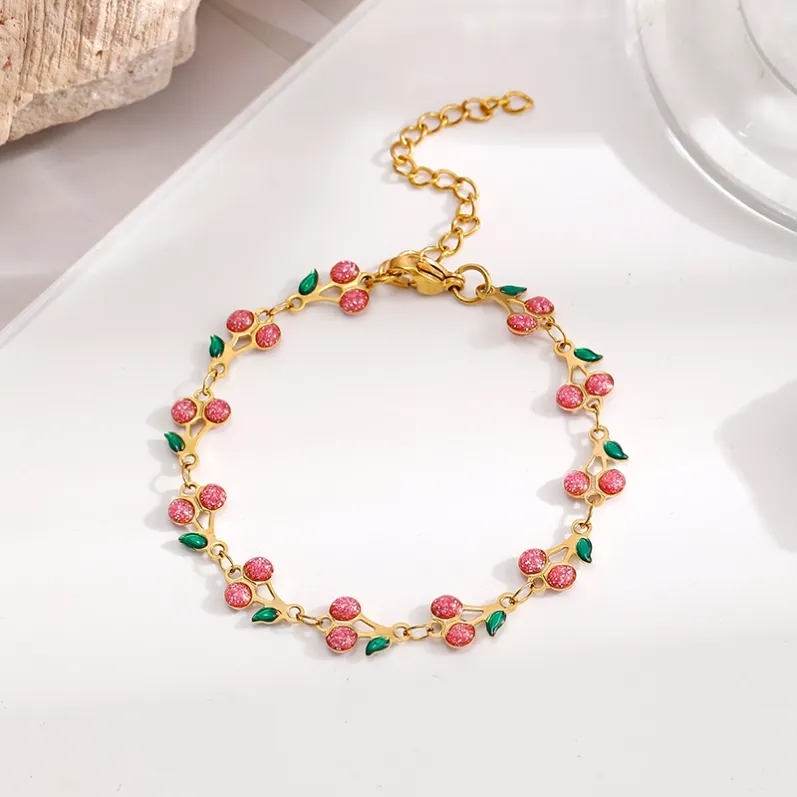
A PVD gold plated jewelry manufacturer builds color and wear resistance inside a vacuum chamber, not a chemical bath — and understanding that process is the fastest way to tell a finish that lasts for years from one that fails within months. As stainless steel jewelry has moved into everyday fashion, PVD has become the defining technology of the category.
This guide explains how the coating process runs on a production line, which colors a manufacturer can offer, what drives durability, and the honest limits to know before ordering.
What PVD Coating Actually Is
PVD — Physical Vapor Deposition — bonds a thin metallic layer to jewelry in a vacuum at close to the molecular level, which is why it adheres far better than conventional plating.
Inside the chamber, a metal source is vaporized by an electric arc, ionized, and accelerated toward jewelry held at a controlled electrical bias. The vapor condenses into a dense, uniform film across every exposed surface. Because the film grows from energized ions rather than settling from a liquid solution, the bond is fundamentally different — and fundamentally stronger.
For the deeper physics, see our article on the science behind PVD coating in jewelry. Practical summary for buyers: adhesion, density and color depth are all set inside the chamber, so process control matters more than marketing claims.
Step by Step: How a PVD Production Line Runs
The deposition itself takes minutes, but the preparation before it decides most of the final quality.
Stage | What happens | Why it matters |
|---|---|---|
Surface polishing | Pieces are polished to their final brightness | PVD is thin; it mirrors the surface rather than hiding flaws |
Ultrasonic cleaning | Oils, dust and fingerprints are removed | Any residue becomes a future adhesion failure point |
Fixture loading | Pieces are mounted on rotating racks | Rotation ensures even coverage on all sides of each piece |
Vacuum and deposition | Chamber is evacuated; target metal is ionized and deposited | Film density, adhesion and final color are set here |
Cooling and inspection | Pieces are checked for color, spots and adhesion | Defective pieces are recoated or rejected before packing |
When evaluating a manufacturer, give the polishing and cleaning stages as much attention as the coating machine — a premium coater cannot rescue a poorly prepared surface.
The Color Palette: PVD 18K Gold Plated and Beyond
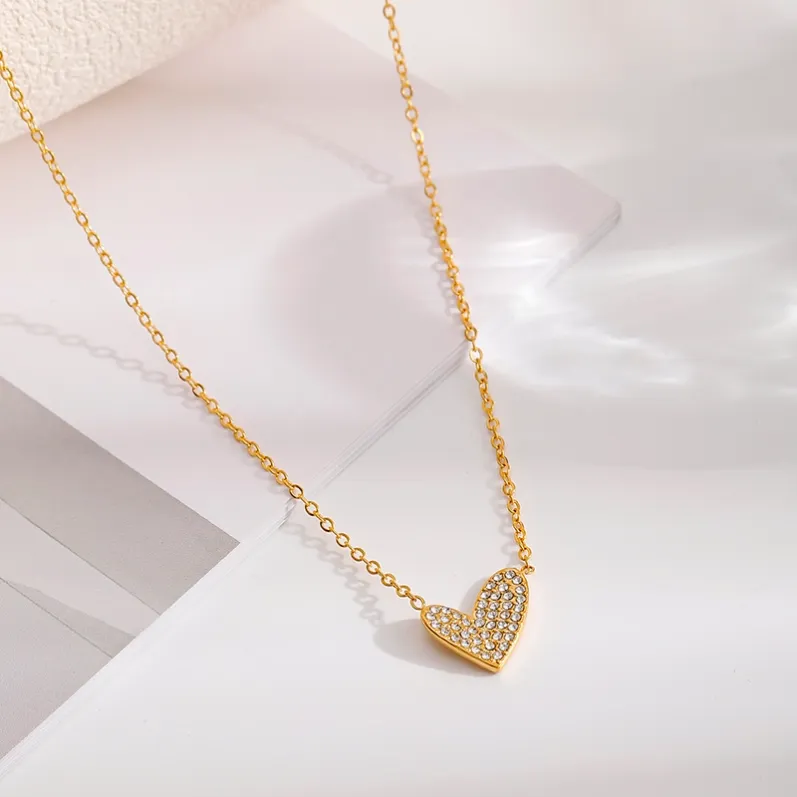
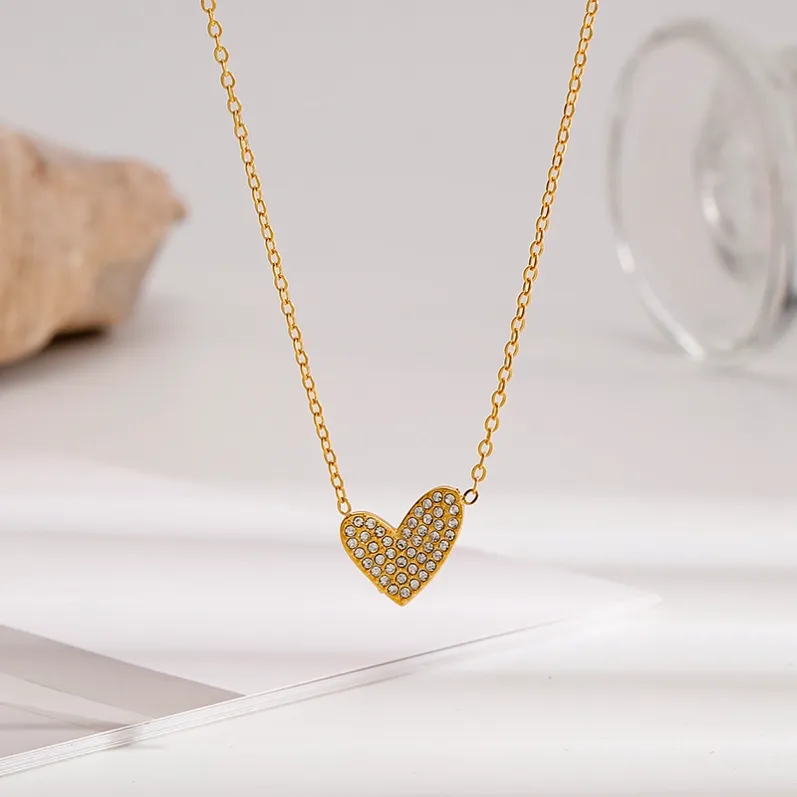
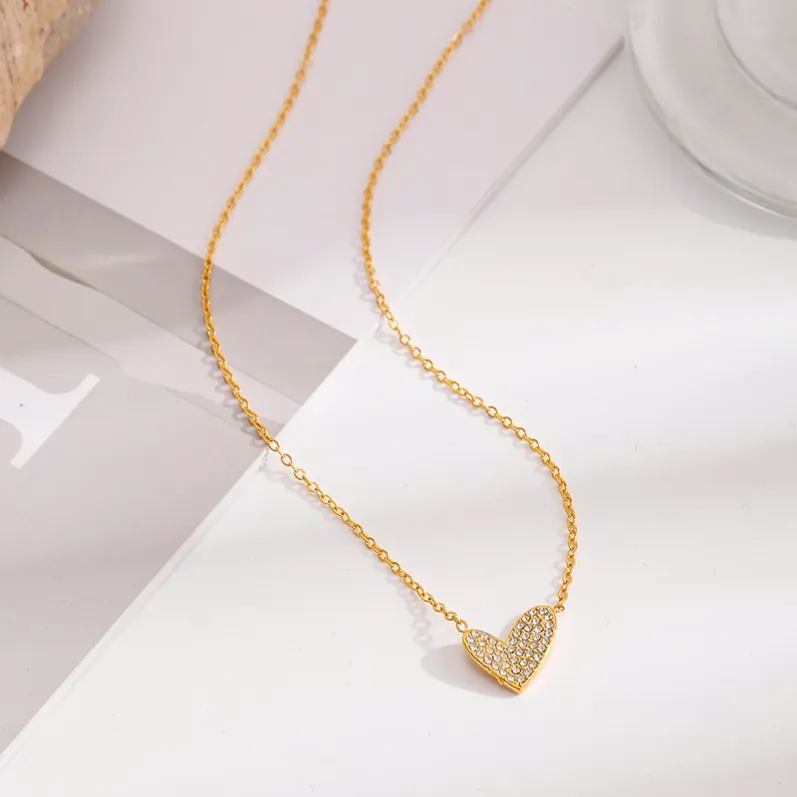
Gold remains the category's best-selling finish, produced by established manufacturers as PVD 18K gold plated in slightly different tones to match current preferences.
Finish | Appearance | Typical role in a collection |
|---|---|---|
PVD 18K gold plated | Warm metallic gold | The core commercial finish for most styles |
Polished steel | Bright silver-white | The baseline look and the brand's signature material |
Black PVD | Deep graphite to jet black | Statement pieces and contrast designs |
Gunmetal grey | Dark, smoky metallic grey | Contemporary, understated lines |
Two-tone combinations | Steel and PVD 18K gold plated on a single piece | Adds perceived design value without a new design |
Color consistency is a commercial issue, not just a technical one: two styles in slightly different gold tones read as a manufacturing error. Ask how the factory controls color batch to batch, and request pieces from different production dates to compare side by side.
What Actually Decides Durability
Durability is a system, not a single number: thickness, surface preparation, design geometry and wearer habits all decide how long the finish looks new.
- Coating thickness — measured in microns; a consistent, adequate film matters more than the thickest one, since very thick layers can soften fine details.
- Surface preparation — adhesion depends on polish quality and cleanliness before the pieces enter the chamber.
- Design geometry — high-friction points wear first: ring band edges, chain contact points, clasps and pendant backs.
- Wearer habits — frequent contact with chlorine, cleaning chemicals or abrasive surfaces shortens any coating's life.
Honest Limits: How PVD Wears Over Years
No PVD finish lasts forever, and a manufacturer who describes wear honestly is more trustworthy than one who promises permanence.
The realistic picture: on low-friction pieces — necklaces, pendants, earrings — a well-made PVD 18K gold plated finish holds its color through years of daily wear. On rings and bracelets, which constantly rub against surfaces, the finish gradually lightens at the highest points after long use. The change is slow and usually cosmetic, but real.
Chemicals are the accelerant: pool chlorine, bleach and abrasive cleaners visibly shorten coating life, and deep scratches can expose the steel beneath. The process is also recoverable — pieces can be re-polished and re-coated — one more reason to choose a partner who plans to be in business for years.
PVD vs Conventional Electroplating
For stainless steel jewelry, PVD has largely displaced wet electroplating because it survives daily wear dramatically better.
Aspect | PVD coating | Conventional electroplating |
|---|---|---|
Process | Vacuum deposition, ionic bonding | Metal deposited from a chemical solution |
Adhesion | Very high; resists peeling and flaking | Prone to flaking where preparation is poor |
Color over time | Holds tone far longer under daily wear | Tone shifts and dulls comparatively quickly |
Process waste | No chemical plating bath | Requires plating solutions and wastewater handling |
Cost per piece | Higher | Lower |
Typical role | Premium and everyday-wear lines | Mostly low-cost, short-cycle products |
Questions to Ask a PVD Gold Plated Jewelry Manufacturer
Five questions separate genuine coating specialists from assemblers who outsource everything.
Question | What a strong answer sounds like |
|---|---|
"Which base material do you coat?" | A named grade such as 316L, the industry's premium option, not a vague "stainless steel" |
"How thick is the coating?" | A micron figure stated without hesitation |
"How do you verify adhesion?" | A named routine test applied to every batch |
"How do you keep gold tone consistent?" | Controlled process parameters plus batch-to-batch color comparison |
"What happens if a batch fails?" | A clear rework or replacement policy, offered in writing |
Frequently Asked Questions
Short, honest answers to the durability questions buyers ask most.
How long does a PVD 18K gold plated finish last?
With normal daily wear, well-made PVD holds its color for years on low-friction pieces such as necklaces and earrings. High-contact pieces like rings and bracelets gradually lighten at raised edges after long use. Habits matter too: frequent contact with chlorine, bleach or abrasive cleaners shortens any coating's life.
Can PVD coated jewelry get wet?
Everyday water contact — hand washing, rain, the occasional shower — is generally fine for PVD on stainless steel, which is why the finish suits daily jewelry. What shortens coating life is prolonged contact with harsh chemicals such as pool chlorine, so removing pieces before swimming and housework is the most useful habit.
Is a thicker coating always better?
No. Consistent, adequate thickness applied to a well-prepared surface outperforms a thicker layer over contaminated metal. Very thick films can also blur fine detail on delicate designs. Treat thickness as one specification to verify alongside adhesion testing and surface preparation, never as the single measure of quality.
Can any jewelry design be PVD coated?
Almost any metal jewelry can be coated, but results depend on the surface underneath. PVD mirrors the polish of the base, so scratches and casting pits remain visible after coating. Deep recesses can also receive thinner coverage on some equipment, which is why experienced manufacturers sometimes adjust designs for better coverage.
Is PVD the same as electroplating?
No. Electroplating deposits metal from a chemical solution that sits on the surface as a separate layer. PVD happens in a vacuum chamber, where vaporized metal ions bond with the substrate at close to the molecular level. Over time the difference shows: PVD resists peeling, flaking and tone change far longer than conventional plating.
Wholesale Stainless Steel Jewelry from IVANDA
Looking for a reliable stainless steel jewelry supplier? IVANDA supplies 316L pieces with PVD 18K gold plating - waterproof, skin-friendly and made for everyday wear. MOQ 60 pcs per style, in stock and ready to ship, with OEM/ODM services for custom designs. Message us on WhatsApp or email sales01@ivanda-fa.com for the latest catalog and wholesale prices.