Oct 20, 2026
Essential Oils and Jewelry: Complete Material Guide
Stainless steel handles essential oils fine, but plated metals, pearls and resin beads do not. A material tolerance guide plus the wipe-down habit.
Yes — stainless steel is one of the few jewelry materials that genuinely tolerates essential oils, while the same drops can dull plating, speed up tarnish on silver and slowly break down resin beads. If you wear a diffuser bracelet or keep a roll-on in your bag, here is exactly what those oils do to every common jewelry material, and the two-minute habit that keeps your pieces safe from wear.
The Short Answer
Solid stainless steel — especially 316L, the industry's premium grade — takes essential oils in stride. The metal's passive chromium oxide surface does not react with plant compounds, so oil just sits on top until you wipe it away. The real risk lives in everything around the steel: plating that traps oily films, silver that tarnishes faster under acidity, porous stones that absorb and spot, and resins or plastics that can cloud or turn tacky with regular contact.
That split decides everything. If your jewelry is solid steel or PVD 18K gold plated steel, you can wear it through your entire oil routine without a second thought. If your pieces include pearls, soft stones, resin, wood, silver or thin plated metals, sequencing and wiping become the difference between jewelry that lasts and jewelry that dulls within a season.
Steel takes essential oils in stride; everything soft, porous or plated around it is where the actual risk lives.
What Essential Oils Actually Do
Essential oils are concentrated plant extracts — not "oily" in the kitchen sense, but volatile aromatic compounds: terpenes, phenols, aldehydes. A single drop carries the distilled chemistry of a large amount of plant material, which is why it is powerful in both directions: great for diffusion, demanding for delicate surfaces.
Three mechanisms matter for jewelry:
- Acidity — citrus oils are mildly acidic, and limonene (the compound behind that familiar citrus smell) oxidizes on contact with air into more reactive compounds. Mild, persistent acidity is exactly the kind of chemistry that nudges silver toward tarnish.
- Films — every oil leaves a residue. On metal it is a greasy micro-layer that traps dust, scatters light and makes a polished piece look tired. On skin-contact jewelry, the film also holds the oil against the surface for hours.
- Absorption and attack — porous materials such as pearls, untreated stones and wood soak oils in, where they spot and dull from the inside. Some plastics and resins react with concentrated oils by clouding, softening or turning sticky.
Honest framing: one accidental drop will not destroy a bracelet overnight. The damage pattern is cumulative — films that build, surfaces that dull drop by drop, coatings that lose their gloss a little faster than they otherwise would.
Essential oils are concentrated plant chemistry, not instant corrosion — the risk to jewelry is films, acidity and absorption, and all three compound with repetition.
Material Tolerance Table
Material | Tolerance to essential oils | What regular contact causes |
|---|---|---|
Stainless steel (316L) | Excellent — non-reactive surface | Only a wipeable film; no lasting effect |
PVD 18K gold plated steel | Good — dense coating on a sealed core | Film dulls shine until wiped off |
925 sterling silver | Fair — reactive to acids | Oils speed up tarnish; more frequent polishing |
Gold plated brass | Poor — thin plating on a reactive core | Films hold moisture and speed plating wear |
Pearls and porous stones | Poor — absorbent surfaces | Oils soak in, causing spotting and permanent dulling |
Resin and plastic beads | Poor — reactive surfaces | Clouding, softening or tackiness over time |
The split is simple: hard, non-reactive metals tolerate oils, while soft, porous or plated materials absorb or trap them.
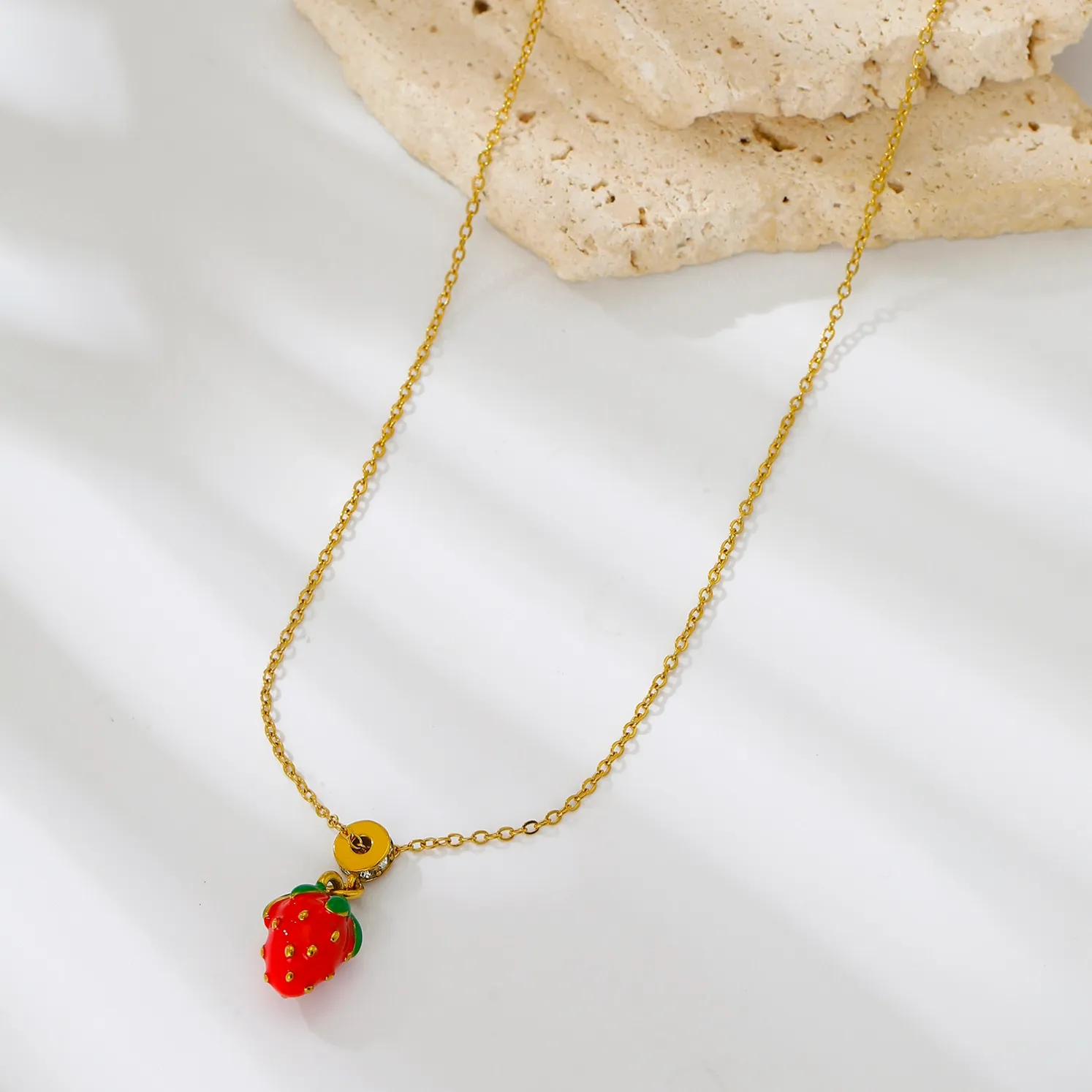
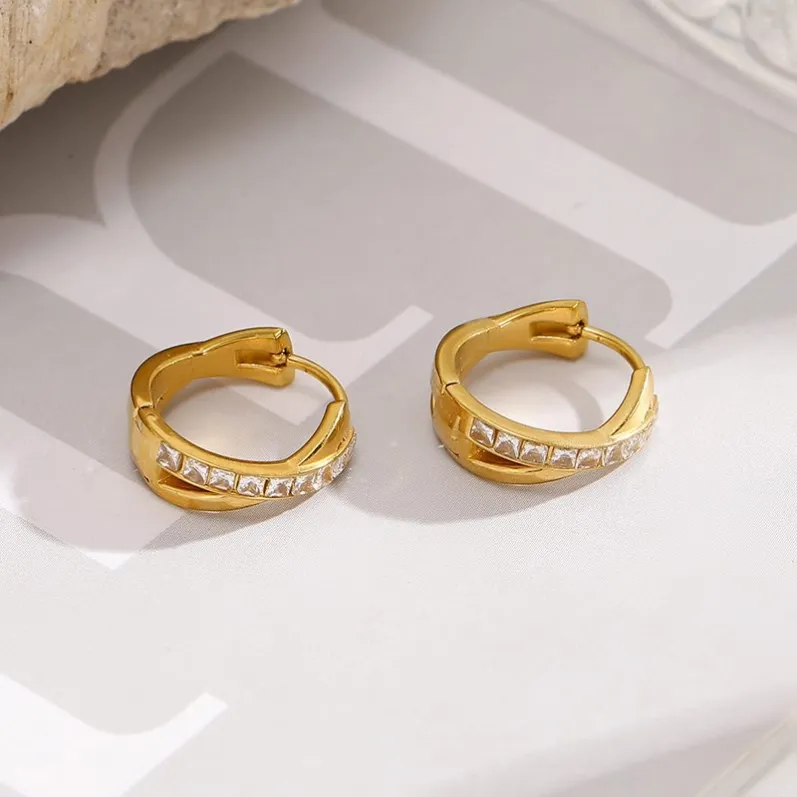
One pairing deserves a closer look. PVD 18K gold plated steel combines an immune steel core with a molecular-bonded coating, so oils leave nothing but a removable film — the most durable gold-color finish in everyday jewelry. Classic gold plated brass is the opposite combination: a reactive core under a thin electroplate, where oily films hold sweat and moisture against the surface and accelerate the plating's natural wear. And if you are checking which steel grade a piece actually is, our guide to what the 316L stamp means shows exactly where to look.
Diffuser Jewelry and Lava Beads
Diffuser jewelry exists precisely because some materials love oils. Lava beads are porous volcanic basalt: a drop of oil soaks into the stone and releases its scent slowly over hours. The hardware on most diffuser pieces — steel chains, steel spacers, steel cage lockets — sits in the same oily environment without any issue, because oil on steel simply rests on the surface until it is wiped.
Two care notes for lava bead wearers. First, oils eventually migrate into the stringing cord or elastic, and some cords weaken over time — restringing is the standard fix, not a reason to stop diffusing. Second, keep citrus oils away from any pearl or shell bead sharing the strand, since those are exactly the absorb-and-spot materials from the table above.
Lava bead jewelry works because oil is supposed to soak into the stone — and on steel hardware, that absorption never spreads to the metal.
The Wipe-Down Habit (and When to Take Pieces Off)
Practical rules, ordered by impact:
- Sequence beats defense — apply roll-ons and let them absorb for a minute before putting jewelry back on. Oil on skin first, steel jewelry second, means almost nothing transfers.
- Wipe nightly on oily days — a soft dry cloth in ten seconds removes the film before it builds. This single habit keeps steel and PVD-plated steel looking factory-new.
- Rinse weekly — mild soapy water, then a thorough dry. Steel's water tolerance makes this effortless (our waterproof jewelry guide explains why); pearls, resins and plated brass do not get the same treatment.
- Remove the fragile pieces before applying — pearls, resin beads, wood, silver and gold plated brass all earn their keep by coming off before you apply oils nearby.
If a piece has already gone dull from built-up films, the standard cleaning routine brings it back — our guide on how to clean tarnished stainless steel jewelry covers the methods step by step.
Order matters more than effort: oils on skin first, steel jewelry second, a ten-second wipe at night — and essential oils stop being a jewelry concern entirely.
Frequently Asked Questions
Can I put essential oils directly on stainless steel?
Yes. Oils do not corrode, stain or penetrate steel — they sit on the surface until wiped away. The only effect of direct contact is the same thin film any oil leaves, which a soft cloth removes in seconds. Applying oils over steel diffuser components is completely fine for the metal itself.
Do essential oils tarnish sterling silver?
They accelerate it. Silver tarnishes through reactions with sulfur and acidic compounds, and essential oils — especially oxidized citrus oils — supply exactly that kind of chemistry, held against the surface by an oily film. Silver worn with a daily oil routine will need noticeably more frequent polishing to stay bright.
Can essential oils damage gold plating?
It depends on the plating system. Oils leave films that dull any plated surface, and on thin electroplate over brass those films hold moisture that speeds up wear. Dense PVD plating over steel resists far better — oils wipe off with no lasting effect — though every plating eventually wears with years of abrasion.
Can I put essential oils on my lava bead bracelet?
Yes — that is what lava beads are designed for. The porous basalt absorbs the oil and diffuses the scent over hours. Keep the drops on the beads rather than the cord, since absorbed oils slowly weaken some stringing materials, and wipe the steel spacers whenever they start to look dull.
Which jewelry should I remove before using a roll-on?
Anything pearl, porous stone, wood, resin, plastic or thinly plated — apply the oil, let it absorb for a minute, then put the piece back on. Solid stainless steel and PVD 18K gold plated steel are the materials that make this sequencing optional rather than essential, which is why oil wearers favor them.
Wholesale Stainless Steel Jewelry from IVANDA
Looking for a reliable stainless steel jewelry supplier? IVANDA supplies 316L pieces with PVD 18K gold plating - waterproof, skin-friendly and made for everyday wear. MOQ 60 pcs per style, in stock and ready to ship, with OEM/ODM services for custom designs. Message us on WhatsApp or email sales01@ivanda-fa.com for the latest catalog and wholesale prices.