Nov 1, 2026
Stainless Steel Jewelry for Restaurant Workers
What jewelry restaurant workers can actually wear, how health codes and glove rules treat it, and why stainless steel survives long kitchen shifts.
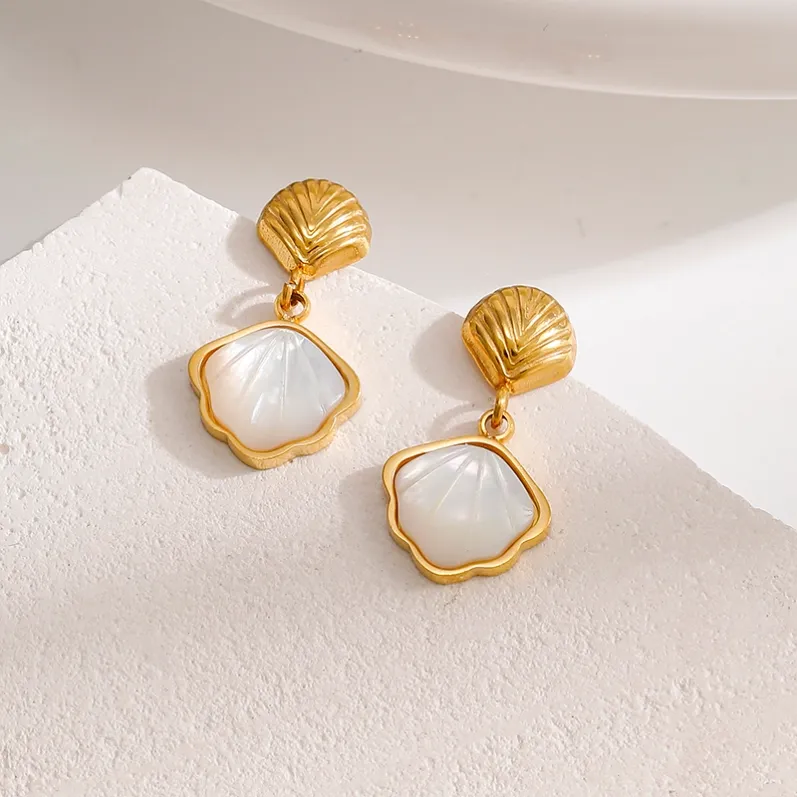
Between health codes, glove rules and a sink that never stops running, restaurant work filters jewelry down to a short list — and stainless steel sits comfortably at the top of it. Whether you are front of house or in the kitchen, this guide covers what food-safety rules typically say about jewelry, which pieces survive restaurant life, and how to keep everything genuinely clean between shifts.
The Rules: Jewelry and Food Safety Codes
Most food codes follow one simple line — nothing on hands and arms during food prep except a plain ring — and everything beyond that is your employer's call.
In the US, the FDA Food Code, which most local health codes are built on, generally prohibits food employees from wearing jewelry on their arms and hands while preparing food. The common exception is a plain ring, such as a plain wedding band. The reasoning is practical rather than fussy: rings, bracelets and watches can trap soil and bacteria, get in the way of proper handwashing, tear gloves, and — for anything dangling — risk ending up in somebody's dinner.
Necklaces, earrings and watches are treated differently across kitchens. Many back-of-house operations restrict them outright, while front-of-house policies are usually set by the employer rather than the health inspector. The practical rule for jewelry for restaurant workers is therefore twofold: know your local code, and then know your manager's policy — because the second one is almost always stricter than the first.
Piece | Typical food-code treatment | Practical reality in most restaurants |
|---|---|---|
Plain band ring | Usually allowed during prep | The only ring most kitchen policies permit |
Rings with stones or grooves | Not allowed on hands during prep | Save them for days off |
Bracelets and watches | Not allowed on arms during prep | Off before the first apron goes on |
Necklaces | Employer policy | Tucked under shirts in the kitchen; often fine front of house |
Earrings | Employer policy | Small studs beat anything that dangles or catches |
Why Stainless Steel Fits Restaurant Life
Constant handwashing, sanitizer, steam and grease retire most jewelry within weeks — 316L stainless steel is built to take exactly that kind of punishment.
Restaurant hazard | What it does to most jewelry | How 316L stainless steel handles it |
|---|---|---|
Washing hands dozens of times a shift | Plated metals fade; silver tarnishes | Keeps its color; nothing to strip on silver-tone steel |
Alcohol sanitizer and degreaser | Dulls soft metals and coatings | Wipes clean and carries on |
Steam, heat and humidity | Accelerates tarnish | Corrosion-resistant by design |
Gloves pulled over rings | Scratches soft metals | Scratch-resistant surface |
Zero time for jewelry care | Everything seems to need polishing | Rinse, dry, done |
One honest caveat: steel shrugs off soap and sanitizer, but industrial bleach solutions are a different story. Chlorine-based cleaners can pit and spot stainless steel if they sit on it. If bleach is part of your closing routine, finish the job, wash your hands, and give your ring a quick rinse and dry before you clock out. That single habit covers the harshest thing a kitchen does to steel.
The broader material story — why some metals tarnish and others do not — is in our guide to jewelry materials that don't tarnish.
Best Pieces for Front of House vs Back of House
Front of house gets style latitude, back of house gets the plain-band rule — know which world you are working in before you accessorize.
Back of house. The list is short by design: a smooth plain band is the classic choice if your policy allows rings at all, plus small flat studs if ears are permitted. Look for comfort edges and no grooves — a band with deep engravings or channel-set stones is both against most codes and genuinely hard to clean. Under gloves, a low-domed profile matters more than any other detail on the ring.
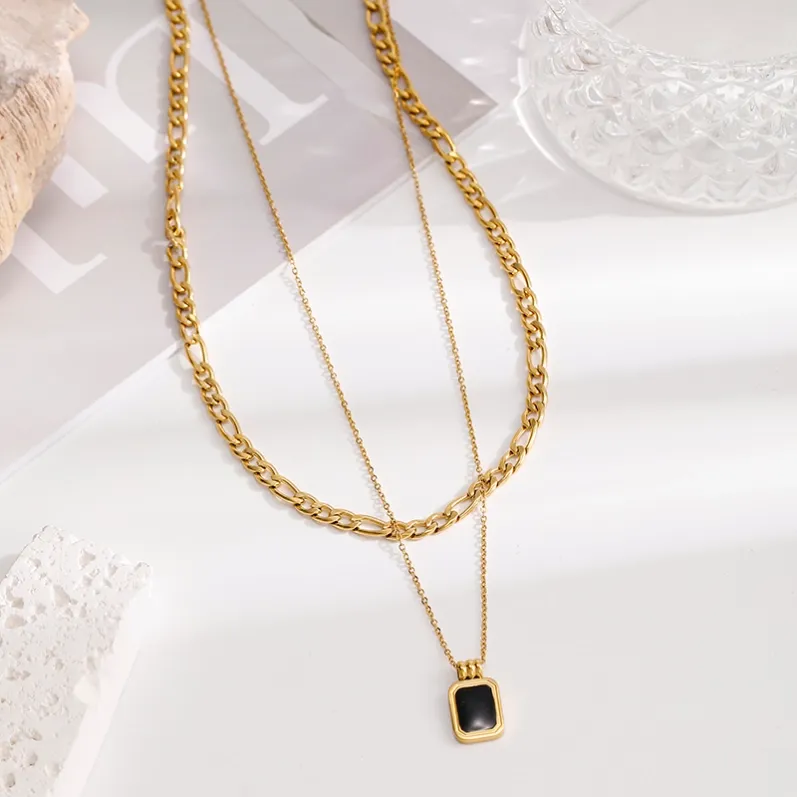
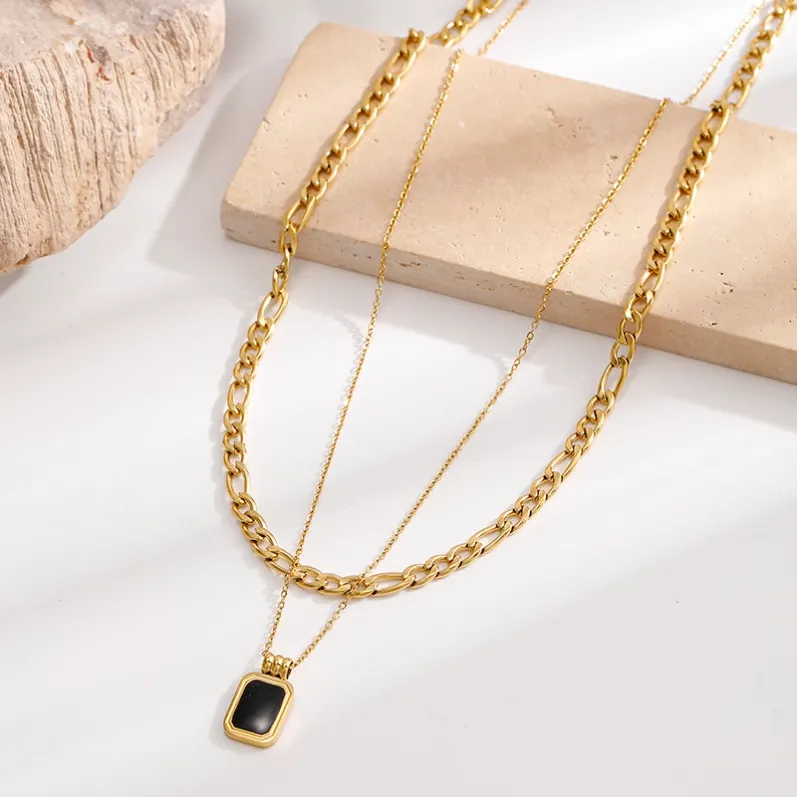
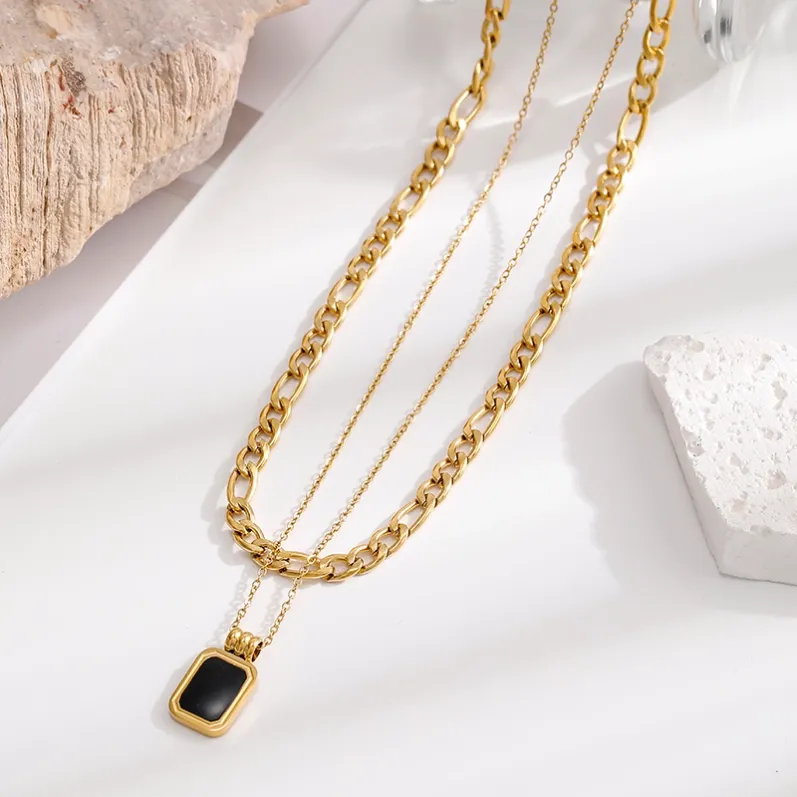
Front of house. Policies loosen once you are not handling food directly, which is where necklaces and earrings come back into play. Stainless steel suits the dining room for the same reason it suits the kitchen: it stays bright through long shifts without polishing. PVD 18K gold plated pieces read beautifully under warm dining-room light and hold up to the handwashing that service demands — with the honest note that years of friction will slowly mellow any plated finish, especially at ring edges and clasps. Skip long pendants that swing over tables and trays, and leave stacked bangles for days off; nothing ruins a quiet dining room like a wrist full of chimes.
A Shift-Proof Care Routine
Sixty seconds at the end of a shift keeps restaurant jewelry genuinely clean — grease film is the real enemy, not tarnish.
Kitchen work leaves an invisible layer of grease and sanitizer residue that water alone does not fully lift. The fix takes under a minute:
- Rinse the piece under warm water.
- Add a drop of dish soap — you have plenty — and work it over the surface with your fingers.
- Use a soft brush for grooves, chain links and the area behind any stones.
- Rinse again, dry with a clean towel, and store the piece at home rather than in an apron pocket, where keys and pens chew up finishes. Our jewelry storage guide has a simple setup that takes two minutes.
If a piece ever looks genuinely dark or grimy rather than just filmy, the guide to cleaning tarnished stainless steel jewelry walks through safe deep cleaning — no abrasives, which matters if you want the finish to last for years of service.
Frequently Asked Questions
Quick answers about wearing jewelry on restaurant shifts.
Can food workers wear rings while preparing food?
Usually only a plain ring, such as a plain wedding band. Most food codes that restrict hand jewelry carve out exactly that exception, because a smooth band is easy to wash under and unlikely to tear gloves. Anything with stones, grooves or engravings is generally off the table during prep — check your local code and, just as importantly, your employer's written policy.
Do earrings count as restricted jewelry in kitchens?
Hands and arms are what food codes regulate directly; earrings usually fall to employer policy instead. In practice, most kitchens prefer small studs for anyone wearing hairnets or hoods, since hoops and dangles catch on everything and can end up where they should not be. Front-of-house rules tend to be more relaxed, but the manager's word beats any general guideline.
Will hand sanitizer ruin stainless steel jewelry?
No — alcohol-based sanitizer is one of the things 316L stainless steel handles without complaint. Sanitizer can dull soft plated metals over time, but on silver-tone steel it simply evaporates without leaving damage. Wipe the piece down at the end of a shift anyway, since sanitizer residue mixes with kitchen grease into a film that a quick wash with dish soap removes easily.
Can I wear a PVD 18K gold plated ring in a commercial kitchen?
Check your policy first — most codes that allow rings only allow a plain band, whatever the material. If a plain band is permitted, a PVD 18K gold plated one is workable, though years of degreaser and glove friction will slowly mellow the finish. For an everyday kitchen workhorse, a silver-tone steel band has no coating to wear through at all.
How do I get grease film off stainless steel jewelry after a shift?
Warm water, one drop of dish soap and thirty seconds of finger work removes almost all of it; a soft brush gets into chain links and stone settings. Rinse well and towel-dry. Skip toothpaste and abrasive pads entirely — steel does not need them, and repeated scrubbing dulls the finish. If a piece still looks dull after a proper wash, it is scratched, not dirty.
Wholesale Stainless Steel Jewelry from IVANDA
Looking for a reliable stainless steel jewelry supplier? IVANDA supplies 316L pieces with PVD 18K gold plating - waterproof, skin-friendly and made for everyday wear. MOQ 60 pcs per style, in stock and ready to ship, with OEM/ODM services for custom designs. Message us on WhatsApp or email sales01@ivanda-fa.com for the latest catalog and wholesale prices.