Oct 19, 2026
Stainless Steel vs Platinum: Which Is Right for You?
Stainless steel vs platinum: an honest comparison of durability, weight, patina, care and price level - and which metal fits your jewelry plans.
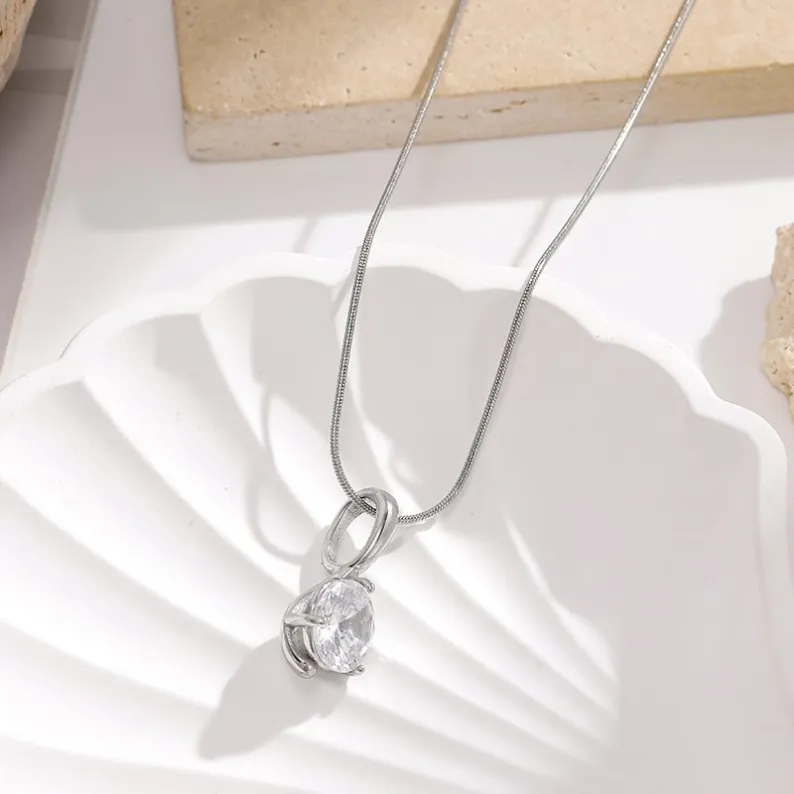
Stainless steel and platinum are not rivals — they sit in different weight classes entirely, and the useful question is not "which is better" but "which job is this piece being asked to do."
Hold a platinum ring in one hand and a steel ring in the other and you feel it immediately: platinum is nearly three times as dense, carrying a planted heft people read as permanence. Steel feels lighter, brighter, more relaxed. Both are silver-white, both handle water without tarnishing, and both can last for decades — but they answer different questions, and pretending they compete does buyers a disservice.
This guide compares them honestly: how each wears, how each ages, what ownership costs, and who each actually suits.
First, the Honest Framing: Different Leagues, Different Games
Platinum belongs to the precious metals. It is rare, it is traded by the gram, and its price moves with global metal markets. A platinum piece is partly jewelry and partly a store of value, which is why it dominates engagement and wedding categories for buyers who want ceremony-weight symbolism.
Stainless steel — specifically 316L, the premium jewelry grade in the industry — belongs to the modern materials. Nobody buys steel to store value. They buy it because the design is good, the surface stays bright, and the piece survives a life that includes gyms, showers, sea water and airport luggage. (If you have ever wondered what the "316L" stamp inside a ring actually means, we break down the grade system in what 316L on jewelry stamps means.)
Platinum competes on rarity and prestige; stainless steel competes on design and everyday resilience. Once you accept that, the comparison becomes genuinely useful instead of a fight between unequal weight classes.
Stainless Steel vs Platinum: The Side-by-Side Table
Aspect | Platinum | 316L Stainless Steel |
|---|---|---|
Durability behavior | Scratches readily, but the metal displaces rather than being lost | Resists fine scratches well; a hard knock can dent or nick it |
Weight | Very dense — a noticeable, ceremonial heft | Much lighter on the hand or ear |
Color | Natural bright white-gray, never plated | Cool silver-white; also available with PVD 18K gold plated surfaces |
Water tolerance | Excellent — does not tarnish or rust | Excellent — does not tarnish or rust |
Maintenance | Accepted patina, or professional re-polishing | A polishing cloth at home restores the shine |
Price level | Precious-metal pricing, tied to rarity and metal weight | Accessible; cost reflects design, not metal value |
Best use | Ceremony pieces, heirlooms, milestone gifts | Everyday wear, travel, style rotation |
The table's most important row is durability behavior: platinum wears down softly while steel holds its surface — and which of those you prefer settles most of the decision.
How Each Metal Wears: Scratches Are Not the Same Thing
Platinum is dense but comparatively soft. Everyday contact scratches it quickly, but here is the detail most comparisons miss: when platinum scratches, the metal moves aside instead of leaving the surface. Almost no material is lost. Over the years the piece develops a soft, satiny gray finish that the trade calls patina, and many owners treat it as proof of a life lived in the piece.
Steel behaves in the opposite way. A 316L surface is harder and resists fine scratches far better than platinum, so a polished steel piece keeps its bright look for years of daily contact. The trade-off: steel is less forgiving of sharp impacts — a hard knock can dent it, and unlike a platinum scratch, a deep dent does not heal itself.
Platinum accumulates soft evidence of wear but loses almost nothing; steel hides fine wear brilliantly but remembers a serious impact.
Patina Versus Polish Retention
The aging question comes down to what you want to see in the mirror in year ten.
Platinum owners choose between two acceptable answers. Either let the patina develop — a matte softness that asks zero effort — or have a jeweler re-polish it back to the bright white original.
Steel owners get a third option: home maintenance. Because the alloy's brightness is the material itself rather than a coating, a few minutes with a polishing cloth brings a tired steel piece back close to factory shine. The surface does not tarnish, so there is nothing to strip away first — our guide to jewelry materials that don't tarnish explains where steel sits in that group and why.
Platinum ages into character by default and shine by appointment; steel keeps its shine by default and regains it at the kitchen table.
Who Platinum Is Actually For
Platinum earns its place in specific situations:
- Ceremony pieces. Wedding bands and engagement rings carry symbolic weight, and platinum's density, permanence and rarity match the moment.
- Heirloom intent. If the plan is a piece passed between generations, a metal that has anchored that tradition for a century has obvious appeal.
- Milestone spending. Anniversaries, births, achievements — moments where the budget question is secondary to the statement.
If any of these describe your purchase, platinum is the honest answer, and no steel substitute fully replicates what it represents.
Platinum suits buyers whose priority is permanence and symbolism — where the budget follows the meaning, not the other way around.
Who Stainless Steel Is Actually For
Steel wins a different list of situations:
- Everyday, all-conditions wear. Shower, gym, pool, sea — a 316L piece shrugs off all of it, which is what makes it the natural "never take it off" metal.
- Travel and hands-on days. Losing or denting a steel piece is annoying, not devastating.
- Style rotation. Because cost reflects design rather than metal weight, steel lets you own ten looks instead of one — and for big occasions where you want polish without anxiety, our 2026 wedding guest jewelry guide shows how the pieces fit real events.
Platinum is for the one piece you treasure; steel is for the twenty pieces you actually live in.
The Warm-Tone Option Platinum Cannot Offer
One more structural difference: platinum is a white metal, permanently. If your taste runs warm — the yellow-metal look — platinum simply is not part of that conversation.
Stainless steel covers both sides. In its natural finish it reads silver; with a PVD 18K gold plated surface it delivers the warm tone on an everyday budget, including over matte, brushed and hammered textures. One honesty note: PVD plating is a bonded surface layer, and years of abrasion on ring shanks and bracelet edges gradually thin it. Plated steel is not a precious metal — it offers the warm tone on the most practical jewelry material there is, and OEM/ODM manufacturers can refresh plating on custom orders.
If platinum answers the "forever white metal" question, PVD 18K gold plated steel answers the "warm tone I can wear every day without anxiety" question.
The Bottom Line: Not Competitors, Different Questions
Ask "which is better, stainless steel or platinum" and you get a useless answer. Ask sharper questions and the choice makes itself:
- "Which metal should carry my once-in-a-lifetime symbol?" — Platinum.
- "Which metal can I wear through showers, gyms and airports for a decade?" — Steel.
- "Which gives me more design options per budget?" — Steel.
- "Which carries generational weight?" — Platinum.
Plenty of jewelry boxes sensibly contain both: the platinum piece for ceremonies and milestones, the steel pieces for everything in between. That is not a compromise — that is each metal doing the job it was born for.
Stainless steel and platinum were never competitors; they are different answers, and the only wrong choice is asking one to do the other's job.
Frequently Asked Questions
Is platinum harder than stainless steel?
No — platinum is actually the softer metal of the two. Steel's harder surface resists fine scratches better, which is why steel stays polished for longer. Platinum compensates with ductility: scratches displace metal rather than removing it, so a platinum piece wears down gently and can be re-polished for decades without losing its structure.
Will stainless steel look cheap next to platinum?
Side by side in bright light, an expert can tell them apart by weight. In normal wear, a clean, well-polished steel piece reads as bright silver-white jewelry. What actually reads as cheap is poor finishing — rough edges, uneven surfaces — not the material itself.
Can I wear stainless steel jewelry in the shower and the sea?
Yes. 316L stainless steel does not rust or tarnish from water exposure, which is exactly why it dominates everyday jewelry. Chlorine and salt water are still worth a quick fresh-water rinse afterward, and drying prevents water spots on polished surfaces. Platinum tolerates water equally well — neither metal minds a shower or a swim.
Why is platinum so much more expensive than steel?
Three stacked reasons: platinum is far rarer in ore form, each gram carries precious-metal market pricing, and its extreme density means a single piece requires roughly three times the mass of a same-sized steel piece. Steel, by contrast, is an industrial material priced by design and finishing work rather than by metal value.
Does the PVD gold plating on steel last?
It lasts well for years of normal wear, but honesty requires saying that constant friction — rings against rails, bracelet edges against desks — gradually thins any plating. Treat the pieces with basic care, keep them out of deliberate abrasion, and PVD 18K gold plated steel delivers its warm tone for a very long service life before a refresh is worth considering.
Wholesale Stainless Steel Jewelry from IVANDA
Looking for a reliable stainless steel jewelry supplier? IVANDA supplies 316L pieces with PVD 18K gold plating - waterproof, skin-friendly and made for everyday wear. MOQ 60 pcs per style, in stock and ready to ship, with OEM/ODM services for custom designs. Message us on WhatsApp or email sales01@ivanda-fa.com for the latest catalog and wholesale prices.