Oct 20, 2026
Stainless Steel vs Silicone Rings: Which Is Better?
Stainless steel vs silicone rings compared: look, durability, water and heat behavior, snap vs dent risk, style range and who each ring suits.
Neither ring is "better" — they're built for two different jobs. Silicone is a safety tool that gives way when fingers can't; stainless steel is real jewelry that keeps its look through years of daily wear. Choosing well means asking what you need the ring to do, not which material wins a spec sheet.
This comparison walks through look and feel, durability, water and heat behavior, how each ring fails, style range and cost level — then matches each material to the people it genuinely suits.
Two Rings, Two Different Jobs
Silicone rings were designed around one problem: in certain workplaces and sports, a rigid metal ring can catch on equipment and injure a finger badly. Silicone removes that scenario by being soft and stretchy — under extreme force it simply gives way. That safety behavior is the entire reason silicone exists as a ring material.
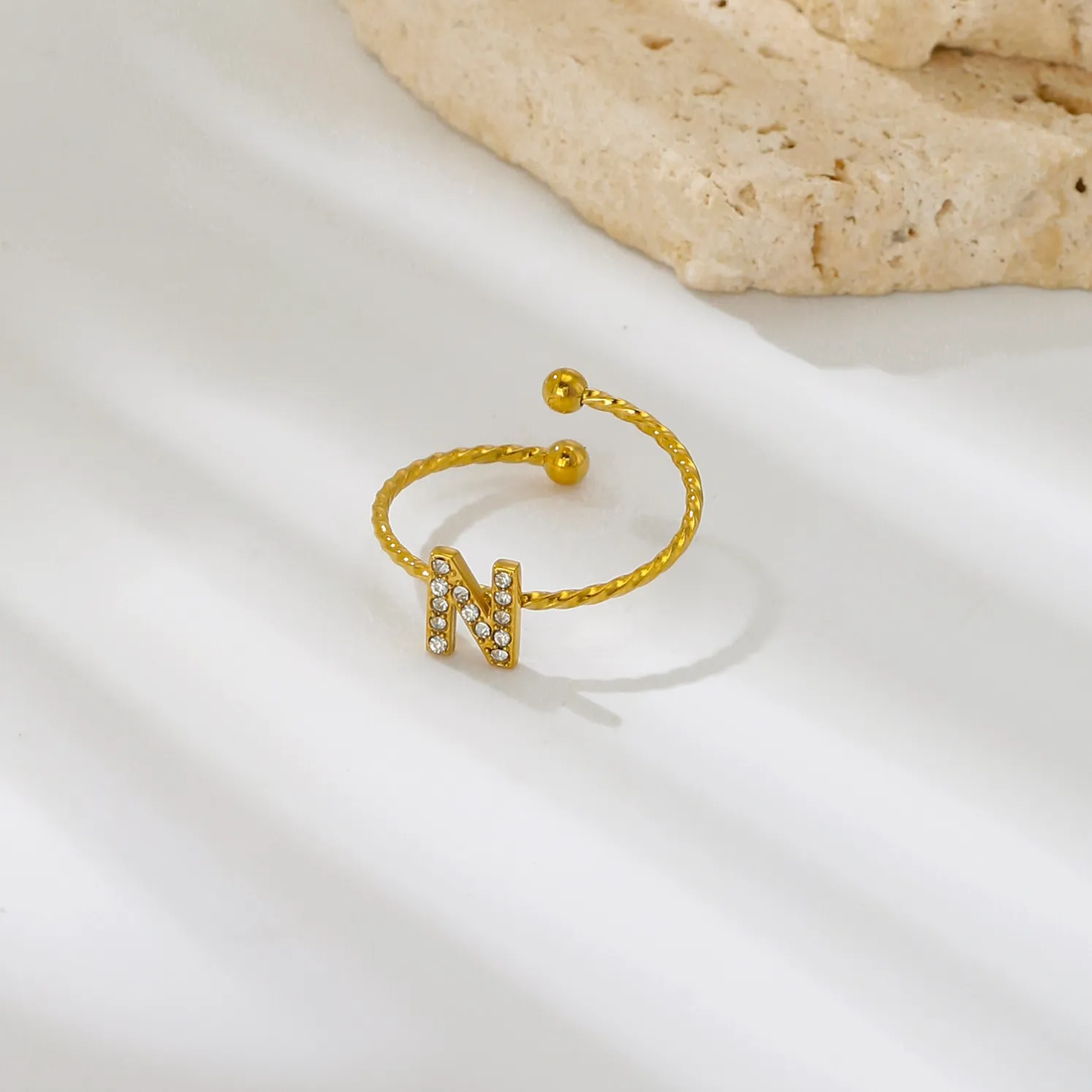
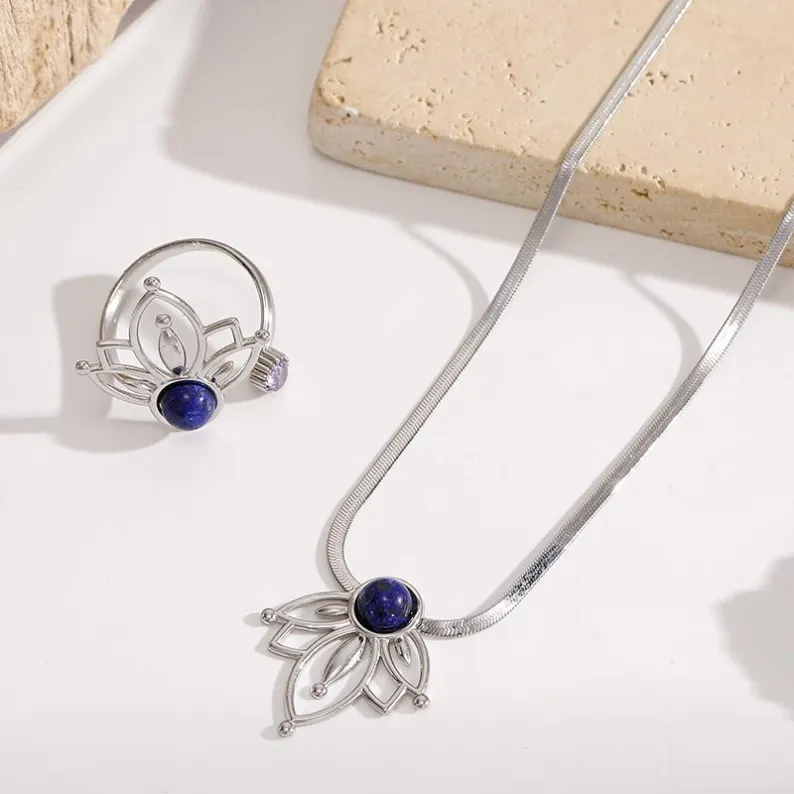
Stainless steel solves the opposite problem: it looks and feels like actual jewelry. Weight, shine, crisp edges, engravable surfaces, stone settings — those belong to metal. A silicone ring reads as gear; a steel ring reads as a ring.
Ask what the ring is for: protection in harsh conditions points to silicone; a lifetime of looking like jewelry points to steel. Plenty of people who work with their hands own both and switch by circumstance — silicone for the shift, steel for everything after it.
Side-by-Side Comparison
Factor | Silicone ring | Stainless steel ring |
|---|---|---|
Look and feel | Matte, soft, rubber-like; reads as sports gear | Metallic shine, weight, crisp detail; reads as real jewelry |
Durability | Scuffs invisibly but degrades over years | Very hard surface; resists scratches, can dent under hard impact |
Water behavior | Water can't harm it, but sweat and grime can discolor it | Waterproof in daily life — no rust or tarnish from shower, pool or sea |
Heat behavior | Softens or deforms near high heat | Handles everyday heat — cooking, dishwater, a summer dashboard |
Failure mode | Snaps or stretches out — sudden and permanent | Dents and scratches gradually; stays on the finger |
Style range | Solid colors, some patterns; one visual register | Full jewelry range: polished, brushed, textured, engraved, PVD 18K gold plated |
Price level | Low | Low to moderate — still far below precious metals |
The failure-mode row is the most honest line in the table: silicone quits all at once, steel ages slowly and visibly. That one difference shapes which material fits which life.
Water, Sweat and Everyday Life
Both materials survive water better than most ring metals, but they age very differently.
Silicone is waterproof in the literal sense — water doesn't damage it. The problem is everything the water carries. Silicone is slightly porous, so constant sweat, soap and grime work their way into the surface; within a few years of heavy wear, a silicone ring typically dulls, discolors and holds odors that no cleaning fully removes. That's degradation, not damage — the material itself is being used up.
Stainless steel — the industry's premium grades such as 316L, which we explain in our guide to steel stamps — is formulated to resist rust and tarnish through showers, pools, seawater and workouts. The surface may collect fine scratches over the years, but the metal doesn't discolor, and a polishing cloth brings the shine back. The same holds across a steel collection, from rings to waterproof everyday jewelry.
If your ring lives in water, steel keeps its surface for years while silicone slowly discolors. Honesty requires the caveat for steel too: PVD 18K gold plated finishes soften gradually after years of abrasion, and no ring of any material is indestructible.
Snap Risk vs Dent Risk
How a ring fails matters as much as whether it fails.
Silicone's designed failure is the snap or the stretch. In a machine pinch or a hard pull, it gives way — that is the safety feature working. The trade-off is that failures are never repairable, and even ordinary wear eventually shows up as permanent stretching. Frequent wearers should treat silicone rings as replaceable items on a years-long cycle.
Steel's failure is cosmetic long before it's structural: dents, scratches, a softened edge. Under everyday conditions steel doesn't snap and doesn't stretch; bending a steel ring takes extreme force. That same stiffness is exactly what makes steel the wrong choice around heavy machinery — which is why these two materials coexist instead of compete.
Silicone protects your finger by sacrificing itself; steel protects your investment by refusing to quit. Choose the failure you'd rather live with.
Who Should Choose Silicone
Silicone earns its place with people whose work or sport makes a rigid ring genuinely risky:
- Heavy manual trades — mechanics, construction workers, machinists, electricians — where caught rings cause real injuries
- Climbers and lifters who grip rough rock or bars all session
- Medical, food-handling and laboratory settings where minimal, easily cleaned jewelry is the norm
- Serial ring-losers and ring-breakers who want the low-stakes option for travel or weekends
In these situations silicone isn't the budget option; it's the correct tool. When the job site can hurt your finger, the flexible ring is the professional choice — everything else is style.
Who Should Choose Stainless Steel
Everyone else — which is to say, most people, most of the time. Steel is the answer whenever the goal is a ring that looks like jewelry for its whole life: daily-wear bands, matching sets, office-to-evening pieces, and travel jewelry you never think about taking off.
- It reads as real metal in every setting, from a workshop break room to a dinner table
- The style range dwarfs silicone: polished and brushed finishes, engraved faces, stone-set designs, and PVD 18K gold plated looks
- It pairs with the rest of a steel collection — our guide to everyday wear covers the full picture
- Long-run value is hard to beat: buy once, keep the surface, no replacement cycle
Steel is the choice for all the hours that aren't a job site — and with premium grades like 316L available for custom orders, it no longer means compromising on design.
Frequently Asked Questions
Are silicone rings safer than metal rings?
In high-risk settings, yes — silicone flexes or snaps under force where a rigid band could injure a finger, which is why tradespeople and climbers wear them. Outside those settings the safety difference disappears, and steel's durability takes over. The real question is whether your daily routine includes machinery, gripped surfaces or impact work.
Do stainless steel rings rust or turn your finger green?
Quality jewelry grades like 316L are formulated to resist rust and tarnish, so they hold their finish through water, sweat and humidity. Skin discoloration usually comes from reactive base metals — copper-heavy alloys or coatings that wear through to the core — not from stainless steel. Choosing the right grade matters more than babying the ring.
How long does a silicone ring last compared to stainless steel?
Silicone is a consumable: expect visible aging — dulling, discoloration, stretching — within a few years of regular wear, sooner with heavy sweat or sun. Stainless steel is a keeper: the surface holds for many years and needs only occasional polishing. Buy steel if you want to buy once; buy silicone if you don't mind replacing.
Can you wear a stainless steel ring in the shower and pool?
Yes. Quality stainless steel handles shower water, pool chlorine and seawater without rusting or tarnishing — a main reason it dominates waterproof jewelry collections. Rinse after heavy chlorine or salt exposure and dry it, and the finish stays bright. For PVD 18K gold plated versions, avoid abrasive scrubbing, since plating softens over years of friction.
Which ring is better for the gym?
For heavy barbell work or gripping rough surfaces, silicone is safer — it can't catch on equipment and won't scratch knurling. For cardio, swimming and general training, stainless steel is completely at home and looks better everywhere else. Many people keep both: silicone for grip-heavy sessions, steel for everything before and after.
Wholesale Stainless Steel Jewelry from IVANDA
Looking for a reliable stainless steel jewelry supplier? IVANDA supplies 316L pieces with PVD 18K gold plating - waterproof, skin-friendly and made for everyday wear. MOQ 60 pcs per style, in stock and ready to ship, with OEM/ODM services for custom designs. Message us on WhatsApp or email sales01@ivanda-fa.com for the latest catalog and wholesale prices.