Oct 21, 2026
Stainless Steel vs Zinc Alloy Jewelry: What's the Difference?
Compare stainless steel vs zinc alloy jewelry by composition, durability, finish, weight, care, and design use before choosing products for your collection.
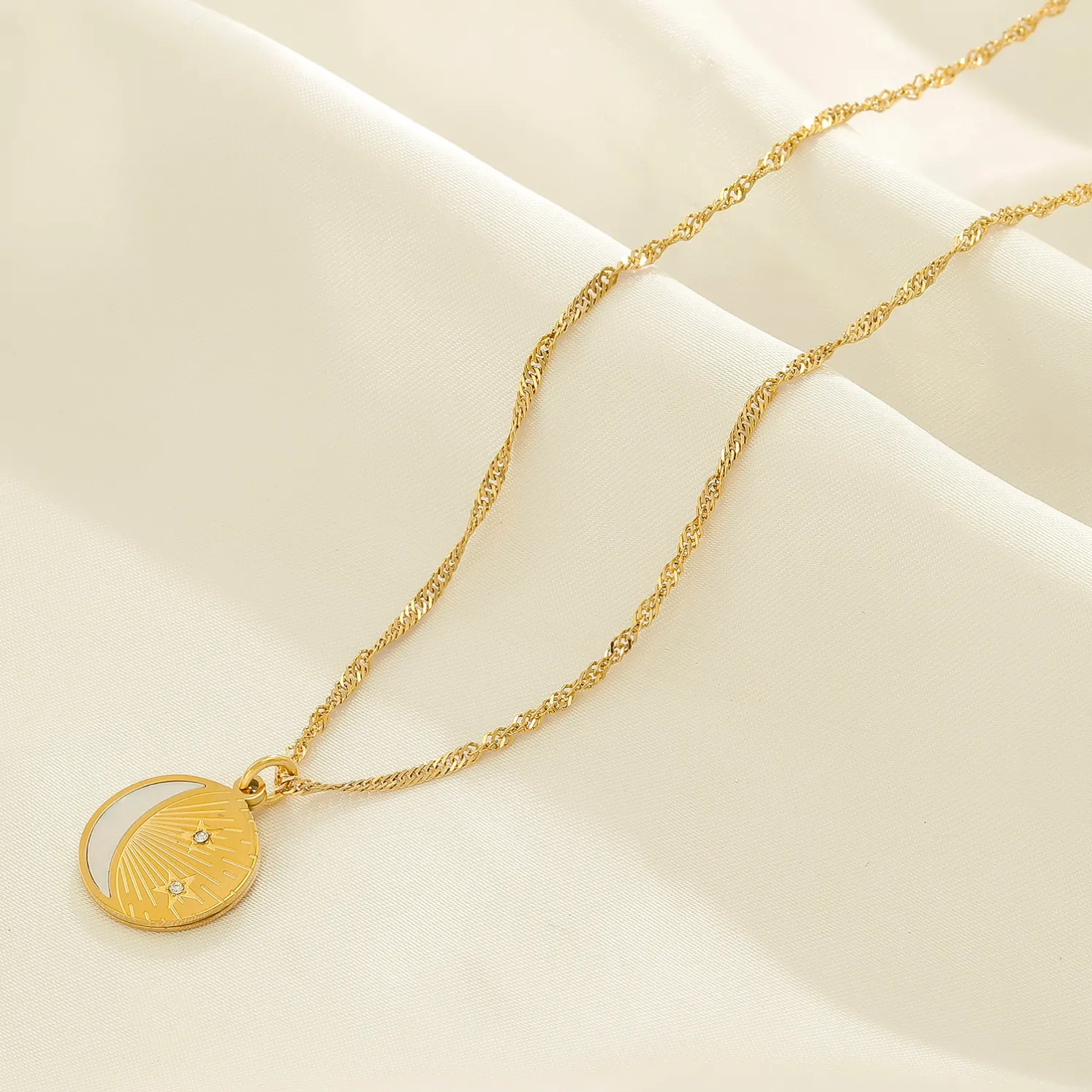
When comparing stainless steel vs zinc alloy jewelry, the useful question is not which material is universally better, but which material fits the design, finish, wear expectations, and care routine. Stainless steel and zinc alloy are both used in fashion jewelry, yet they behave differently in weight, structure, surface finishing, and long-term use.
Material language should be clear before a piece is purchased or added to a product range. This guide explains practical differences without treating a material name as a guarantee.
Stainless Steel vs Zinc Alloy at a Glance
Takeaway: Stainless steel is usually chosen for a firm, corrosion-resistant base, while zinc alloy is useful for detailed, shaped, and lightweight fashion components that depend more heavily on their surface finish.
Feature | Stainless steel | Zinc alloy |
|---|---|---|
Material type | Iron-based alloy containing chromium and other elements | Zinc-based alloy blended with other metals |
Typical feel | Firm and substantial | Often lighter or more design-dependent |
Surface behavior | Naturally forms a passive oxide layer | Usually relies more on plating or coating for appearance |
Design use | Chains, hoops, posts, rings, structured components | Cast charms, decorative shapes, statement components |
Care priority | Reduce scratches and chemical exposure | Protect the surface finish from abrasion and moisture |
Buying question | Which grade and finish are specified? | Which alloy composition and coating are specified? |
Names alone do not describe every finished item. Construction, thickness, polishing, coating, connectors, and storage all influence how a piece looks and feels.
What Stainless Steel Means in Jewelry
Takeaway: Stainless steel is a metal alloy with a chromium-containing surface that can help resist corrosion, but grade, construction, and finish still need to be identified.
Stainless steel is an alloy rather than a single pure metal. Jewelry suppliers may use different grades for different applications. When a product is described as 316L, the designation identifies a particular stainless steel grade; it does not replace a complete description of the finished piece. Learn more in what 316L means on jewelry stamps.
The chromium in stainless steel supports the formation of a thin passive oxide layer when exposed to oxygen. That layer can help the surface resist ordinary corrosion, although it is not invulnerable. Scratches, salt, chlorine, acidic products, and trapped residues can still affect appearance over time.
Stainless steel can be polished, brushed, textured, or given a colored coating. For a gold appearance, use precise wording such as PVD 18K gold plated. The gold-colored layer is a surface treatment, not solid gold. It may gradually wear at edges, hinges, clasp contact points, or other areas exposed to repeated rubbing.
What Zinc Alloy Means in Jewelry
Takeaway: Zinc alloy is a family of zinc-based compositions, so the alloy and surface treatment should be described specifically instead of treating “zinc alloy” as one identical material.
Zinc alloy is commonly used for cast jewelry components because it can fill detailed molds and support expressive shapes. A pendant, charm, textured centerpiece, or decorative connector may be easier to form in a zinc-based alloy than in a harder material.
The final appearance often depends strongly on plating, polishing, lacquer, or another protective surface treatment. If the coating becomes scratched or worn, the underlying color and texture may become more visible. This is why care instructions and realistic finish descriptions matter when selling zinc alloy jewelry.
Zinc alloy pieces can also vary in density and feel. A large cast component may feel substantial, while a thin design may feel light. The product’s dimensions and construction tell buyers more than the material label alone.
Durability and Everyday Wear
Takeaway: Stainless steel often offers a more forgiving base for frequent wear, while zinc alloy designs need closer attention to moisture, impact, and surface abrasion.
Neither material should be presented as indestructible. Stainless steel can scratch, dent, discolor from residue, or lose a polished look. Zinc alloy can also remain attractive for a long time when stored and worn thoughtfully, but its finish may be more central to the product’s visual performance.
Wear factor | Stainless steel | Zinc alloy |
|---|---|---|
Water exposure | Still dry after use and avoid prolonged chemical exposure | Dry promptly and avoid leaving moisture on the finish |
Friction | Watch polished areas and moving parts | Avoid rubbing against hard surfaces and other jewelry |
Cleaning | Soft cloth and mild care are preferable | Gentle wiping is preferable; avoid harsh cleaners |
Storage | Keep pieces separated to reduce scratches | Keep dry and separated to protect coating |
Coated color | PVD 18K gold plated surface can wear at friction points | Plating or coating can show wear when rubbed or exposed to chemicals |
A “waterproof” marketing phrase should not erase the need for care. Read what waterproof jewelry means and whether it lasts for a more realistic explanation of coatings, exposure, and wear.
Weight, Comfort, and Design Freedom
Takeaway: Select the material according to the intended shape and wearing experience, not only according to a general durability claim.
A stainless steel hoop, chain, or pendant may feel reassuringly solid, but the same density can become noticeable in a larger earring. Zinc alloy may support a bold cast form without making every design feel equally heavy, although the final weight still depends on size, wall thickness, and internal structure.
For earrings, balance matters as much as total weight. For rings, the fit and contact surface matter. For necklaces and bracelets, clasp strength, links, and connection points can determine the practical experience. A well-designed item in either material can be more comfortable than a poorly balanced item made from a different material.
Finish, Color, and PVD 18K Gold Plating
Takeaway: Buyers should distinguish the base material from the surface color, and should understand that PVD 18K gold plating is durable but not permanent.
Silver-colored stainless steel may use polishing or brushing to create its appearance. Gold-colored stainless steel should be called PVD 18K gold plated when that is the specified finish. Zinc alloy may also receive a gold-colored surface treatment, but the exact coating process and care guidance should be confirmed with the supplier.
PVD coatings can improve surface appearance and wear resistance compared with some simpler finishes, yet they are still coatings. Repeated friction, sharp impact, sweat, cosmetics, pool chemicals, and cleaning products can gradually affect the color. Edges and high-contact surfaces usually show wear sooner than protected flat areas.
Good product copy avoids absolute statements such as “never fades.” Instead, explain the finish, describe normal care, and identify where wear is most likely to appear.
Which Material Fits a Jewelry Collection?
Takeaway: Use stainless steel when the collection needs a firm everyday base; use zinc alloy when cast detail, unusual silhouettes, or decorative volume are the primary design goals.
Product goal | Material direction to consider | Questions to ask |
|---|---|---|
Everyday chains or structured hoops | Stainless steel | What grade, thickness, and clasp construction are used? |
Detailed charms and molded motifs | Zinc alloy may be suitable | How is the surface protected and cared for? |
Colored minimalist pieces | Either, with finish specified | Is the color PVD 18K gold plated or another treatment? |
Larger statement components | Compare both samples | What is the actual weight and balance? |
Coordinated custom range | Test the chosen construction | Will matching finishes age consistently? |
For a brand building multiple products, sample the complete finished item rather than comparing raw metal names. If you are deciding between supplier models and development support, this OEM vs ODM jewelry guide explains the difference in how designs and production responsibilities may be organized.
Frequently Asked Questions
Is stainless steel better than zinc alloy for jewelry?
Stainless steel is often a practical choice for pieces expected to handle frequent wear because its chromium-containing surface can resist ordinary corrosion. Zinc alloy can be useful for detailed cast shapes and decorative components. The better option depends on the design, finish, weight, construction, and care routine. Compare finished samples instead of choosing from the material name alone.
Does zinc alloy jewelry turn green?
A zinc alloy piece may develop visible surface changes when its coating wears, moisture and residues remain on the surface, or the underlying alloy reacts with the wearing environment. The result varies by composition, finish, contact conditions, and care. Do not assume every zinc alloy piece will behave identically; ask how the surface is finished and follow the supplier’s care instructions.
Is stainless steel jewelry waterproof?
Stainless steel can resist ordinary corrosion, but “waterproof” is not a promise that every design, coating, connector, or finish will remain unchanged in all conditions. Salt, chlorine, cosmetics, friction, and prolonged exposure can still affect appearance. Dry jewelry after contact with water and treat PVD 18K gold plated surfaces as coatings that need care.
Is PVD 18K gold plated jewelry solid gold?
No. PVD 18K gold plated jewelry has a stainless steel or other base with a PVD-applied gold-colored surface layer. It should not be described as solid gold. The coating can be durable, but repeated friction, chemicals, and impact may gradually cause wear, especially on edges and contact points.
Which material is best for custom jewelry designs?
The best material depends on the shape, required detail, target weight, surface finish, and intended use. Zinc alloy can support intricate cast forms, while stainless steel can suit structured pieces and everyday components. Ask for a finished prototype so you can assess the actual weight, balance, color, connections, and care requirements before scaling a design.
Wholesale Stainless Steel Jewelry from IVANDA
Looking for a reliable stainless steel jewelry supplier? IVANDA supplies 316L pieces with PVD 18K gold plating - waterproof, skin-friendly and made for everyday wear. MOQ 60 pcs per style, in stock and ready to ship, with OEM/ODM services for custom designs. Message us on WhatsApp or email sales01@ivanda-fa.com for the latest catalog and wholesale prices.