Oct 21, 2026
How to Start a Jewelry Subscription Box Business
Learn how to start a jewelry subscription box business with a clear niche, product plan, sourcing process, pricing logic, packaging and retention strategy.
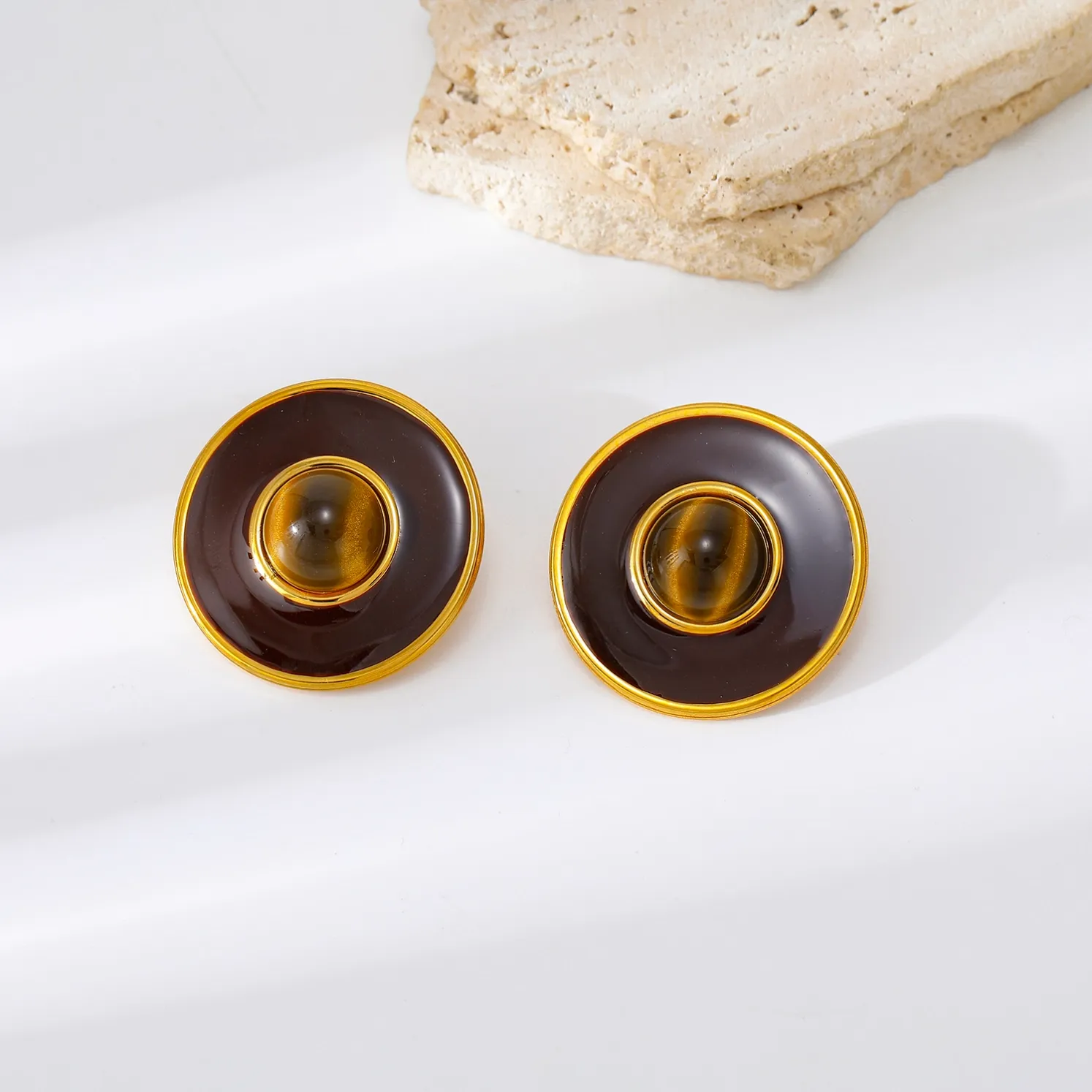
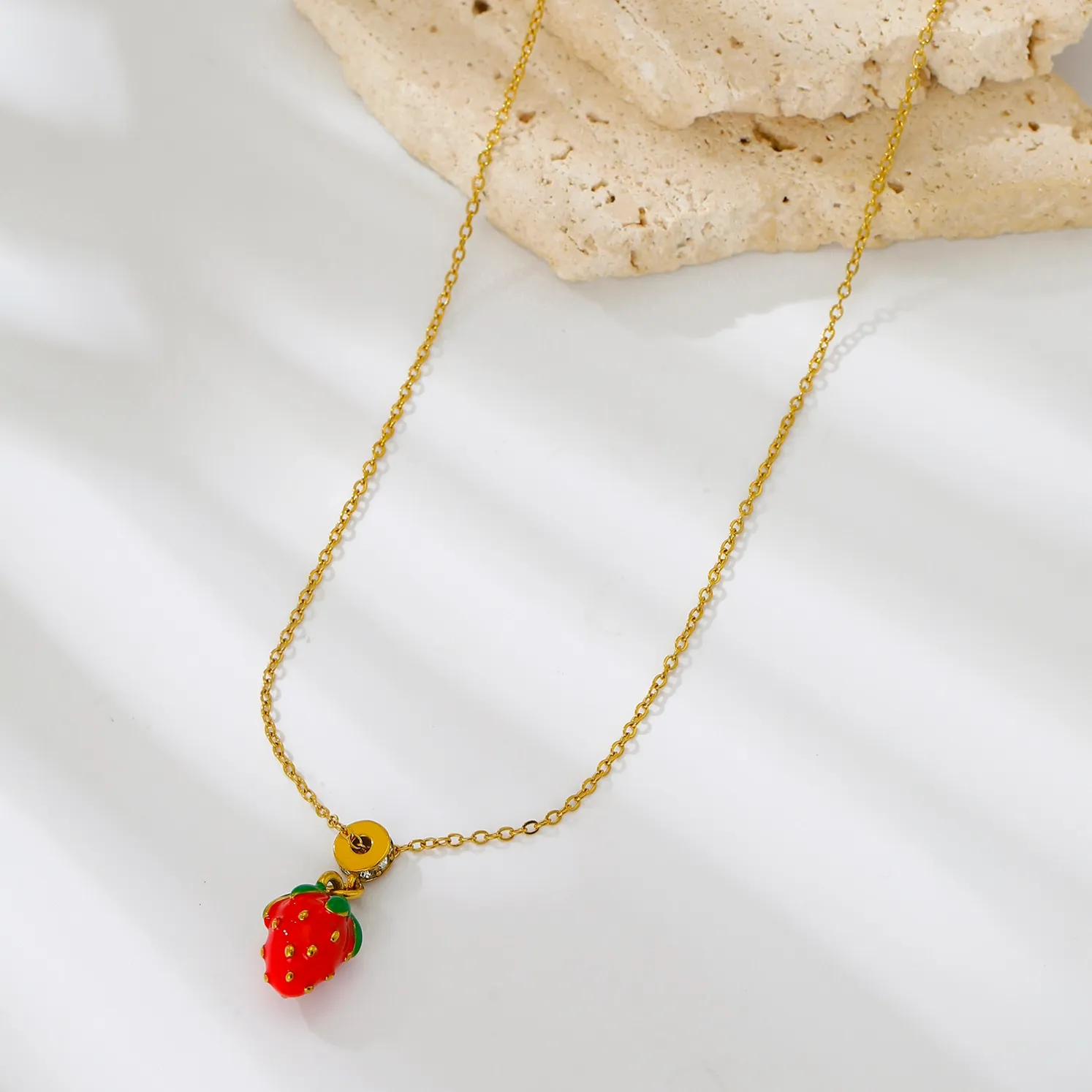
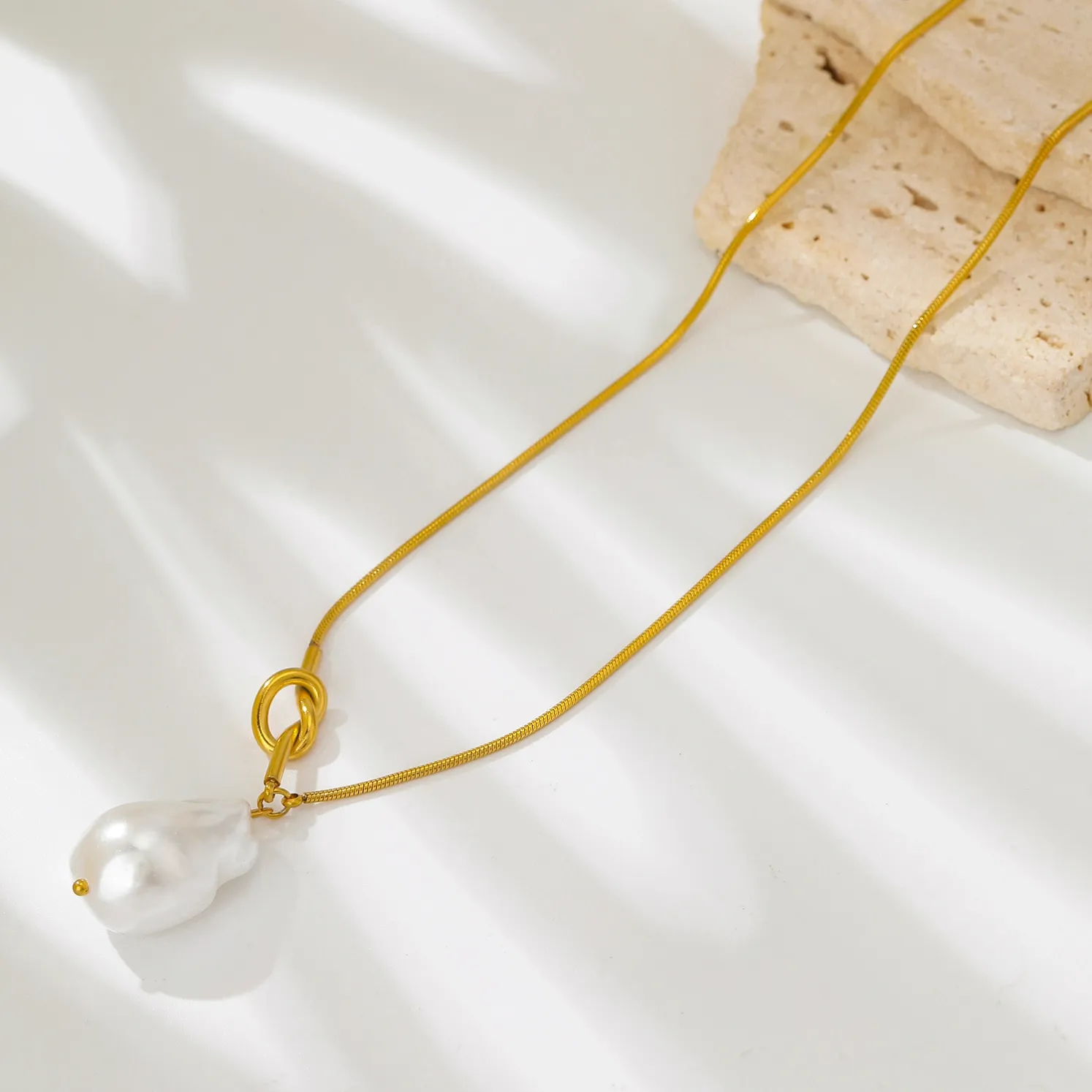
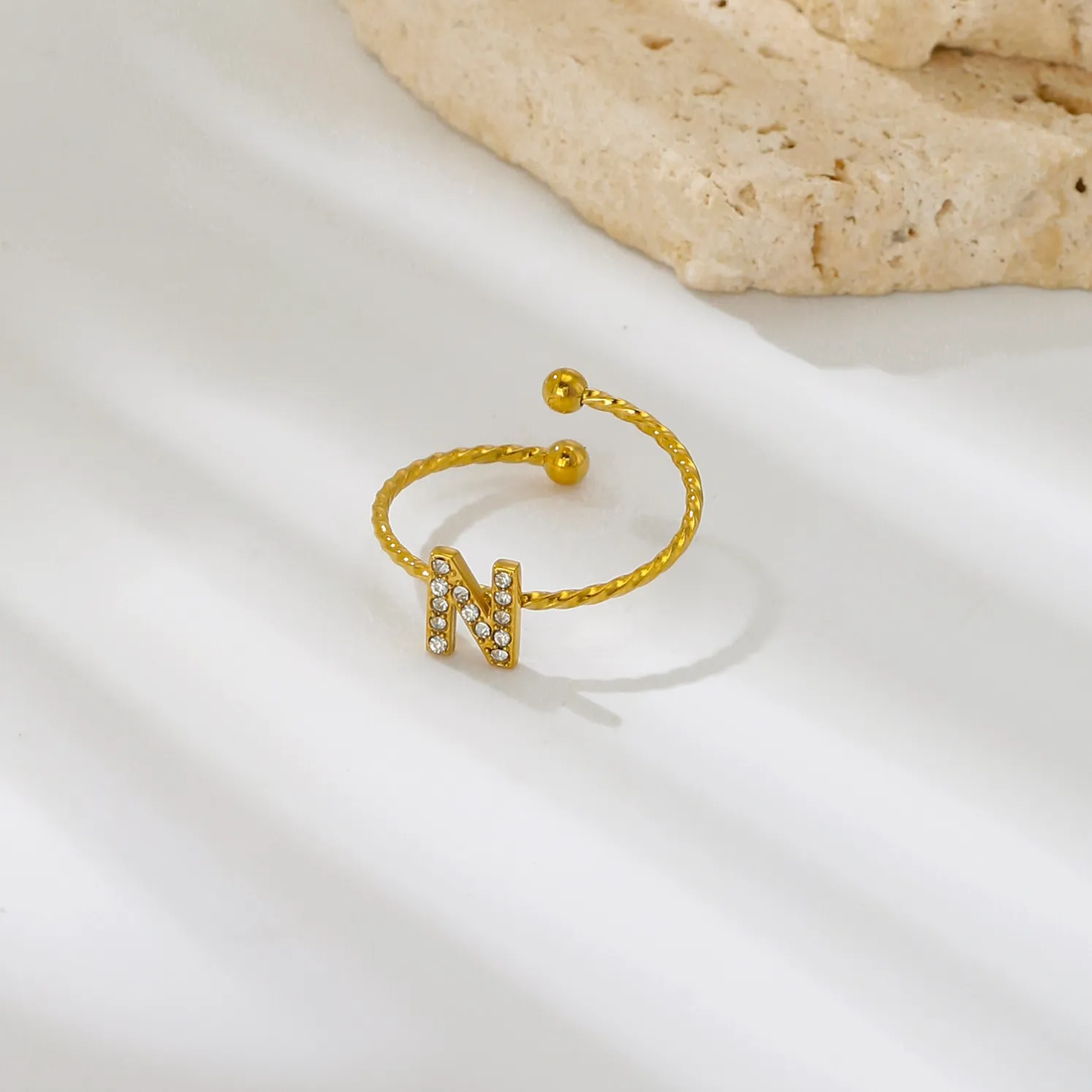
A jewelry subscription box business succeeds when every delivery feels curated rather than random: a clear customer promise, wearable products, reliable sourcing and a reason to stay subscribed. The subscription model can create predictable reorder behavior, but it also exposes weak product selection quickly. If pieces arrive late, repeat themselves or do not match the customer's style, cancellations follow.
This guide explains how to build the business from the offer outward. It covers niche selection, product planning, supplier checks, pricing, packaging, fulfillment and retention without assuming that a large catalogue is required on day one.
Define the Subscription Promise
Start with one sentence that answers who the box is for, what style it delivers and how often customers receive it. “A monthly box of wearable stainless steel pieces for customers who prefer polished minimalist styling” is more useful than “surprise jewelry every month.” The promise becomes a filter for suppliers, photography, packaging and customer service.
Choose whether the box is discovery-led, outfit-led, gift-led or occasion-led. Discovery boxes can introduce new shapes. Outfit-led boxes might coordinate a necklace, bracelet or ring around a color palette. Gift-led boxes need reliable presentation and predictable delivery dates. Occasion-led boxes may be quarterly instead of monthly so the pieces have time to feel special.
Keep the promise narrow enough to recognize. A box that tries to serve every aesthetic often produces a random assortment and makes advertising difficult. A focused offer can still include variations in chain, finish and texture as long as the customer understands the common thread.
Takeaway: the subscription promise is your buying brief; write it before contacting suppliers or designing a logo.
Choose a Niche Customers Can Recognize
A niche is not only a demographic label. It can be a styling preference, a buying moment or a problem the box solves. Examples include low-maintenance everyday jewelry, coordinated bracelet stacks, seasonal gifting or a monthly color story. Avoid building the concept around unsupported claims about skin or safety. Describe the materials and care honestly instead.
Study competing boxes and record their frequency, piece count, price presentation, shipping promise, cancellation terms and unboxing experience. Look for gaps in curation rather than copying the most visible format. If competitors send many small pieces, a box with one substantial focal item may stand out. If the market is crowded with gold-colored assortments, a silver-tone architecture-led box could be clearer.
Ask potential customers what they already buy, what they return and what makes them cancel subscriptions. A short survey, waitlist or small test drop is more useful than guessing from social media likes.
Takeaway: a recognizable niche makes acquisition easier and gives customers a clear reason to compare your box with alternatives.
Design the Product Architecture
Decide how many pieces arrive per box and how they relate. A one-piece premium-feel format is simple to pack and explain. A two- or three-piece format can create a complete look but increases matching, inventory and quality-control work. You can also use a hero piece plus a small styling add-on, such as a chain paired with a coordinating bracelet.
Build a rotation calendar before ordering. Map six or twelve boxes with changes in silhouette, finish and styling use. Avoid sending the same chain profile repeatedly in different colors. Customers notice repetition quickly, especially when the box is positioned as discovery.
Stainless steel is useful for a low-maintenance everyday concept because it supports chains, rings, cuffs and bracelets across one collection. If you use PVD 18K gold plating, treat it as a surface finish and plan care language around normal friction. Do not call plated items solid gold, and do not promise that a color coating will never wear.
Takeaway: a strong product architecture controls repetition, simplifies buying and makes each delivery feel connected to the last one.
Build a Supplier and Sample Process
Supplier selection should begin with product consistency, communication and sample review. Ask for material descriptions, finish details, dimensions, weight, care information and packaging options. Request representative samples from the exact styles you may use rather than evaluating a supplier from one attractive photograph.
Inspect each sample for clasp action, smooth edges, link flexibility, symmetry, engraving clarity and finish uniformity. Wear-test the piece for comfort and check how it sits beside other items in the planned box. Photograph the sample under the same lighting used for your product pages; color expectations are shaped by those images.
Maintain a simple approval sheet for each SKU. Record the sample date, approved finish, dimensions, packaging fit and any changes requested. If a design changes, review a new sample rather than assuming the previous approval still applies.
The Amazon FBA jewelry sourcing guide offers useful questions for product data, packaging and fulfillment even if your box uses a different sales channel.
Takeaway: samples are not a formality; they are the point where your subscription promise meets a physical product.
Set Pricing from the Full Cost
Subscription pricing must cover more than the jewelry item. Build a cost sheet with product, inbound freight, packaging, inserts, payment processing, pick-and-pack labor, outbound shipping, customer service, replacements, marketing and a reserve for damaged or lost parcels. Include taxes and platform fees where they apply to your market.
Offer one simple plan first. Monthly, three-month and annual options can come later, once you understand retention and fulfillment. If you offer a discount for a longer commitment, make the renewal date and cancellation conditions visible before checkout. Surprise billing creates more support work than it creates loyalty.
Use a target contribution margin rather than copying a competitor's ticket. If shipping rates or packaging costs rise, the subscription must still be able to deliver the same experience. Test the box with real packaging weight and dimensions before publishing a shipping promise.
Takeaway: price from the landed customer experience, not from the wholesale product cost alone.
Retention, Feedback and the Next Box
The first box earns attention; the second box earns trust. Tell customers what is coming next without removing all surprise. A color clue, silhouette hint or styling preview can create anticipation and help subscribers decide whether the next delivery fits them.
Track activation, second-box retention, skips, cancellations, failed payments, returns and support reasons. Read cancellation comments by theme. If customers say pieces do not match their style, improve the quiz or narrow the niche. If they cite repetition, revise the rotation map. If they cite fit, add better sizing guidance.
Give subscribers a way to shape future boxes without turning the operation into unlimited custom work. A monthly vote between two finishes or a preference for chain versus bracelet can create participation while keeping purchasing manageable.
For bracelet-led boxes, link customers to how to measure bracelet size and how to stack bracelets. Helpful content keeps the box useful between deliveries.
Takeaway: retention improves when customers understand the next delivery, can influence the experience and receive practical value between boxes.
Subscription Box Planning Snapshot
Decision | Lean starting choice | Why it helps |
|---|---|---|
Assortment | One clear style family | Makes the monthly promise recognizable |
Inventory | Small tested batch | Limits stale stock while demand is unknown |
Packaging | Consistent branded insert | Turns each delivery into a repeatable experience |
Feedback | One short post-delivery survey | Gives the next box a real improvement brief |
A simple planning table is more useful than a complicated forecast when the first box is still a hypothesis.
Frequently Asked Questions
How many pieces should a jewelry subscription box include?
Start with one hero piece or a small coordinated set that your packaging and shipping process can support consistently. More pieces can increase excitement, but they also raise matching, quality-control and inventory demands. A focused box with a clear styling idea usually feels more curated than a larger assortment selected only to increase count.
How often should a jewelry subscription box ship?
Monthly is familiar and creates a regular habit, but quarterly can work better for customers who want fewer, more considered purchases. Match frequency to the product rotation and the customer's realistic wearing time. If pieces need styling or collecting, give subscribers enough time to use them before the next delivery arrives.
Can stainless steel jewelry work in a subscription box?
Yes. Stainless steel supports many collection directions, including chains, bracelets, rings and cuffs, and it gives customers a clear material story for everyday styling. Describe the base metal and surface finish accurately. For PVD 18K gold plated pieces, explain that the coating can gradually wear at high-friction points.
How do I reduce cancellations in a jewelry subscription business?
Reduce repetition, improve style matching and communicate the next box clearly. Track why people cancel, not only when they cancel. Offer a skip option where practical, use a short preference quiz and provide styling guidance after delivery. Reliable shipping and transparent renewal terms also prevent avoidable frustration.
What should go inside each subscription box?
Include the jewelry, a concise product card, care guidance, a styling suggestion and support information. You can add a preview or preference prompt for the next box. Avoid clutter and unsupported claims. Every insert should help the customer understand the piece, wear it confidently or decide how to shape future deliveries.
Wholesale Stainless Steel Jewelry from IVANDA
Looking for a reliable stainless steel jewelry supplier? IVANDA supplies 316L pieces with PVD 18K gold plating - waterproof, skin-friendly and made for everyday wear. MOQ 60 pcs per style, in stock and ready to ship, with OEM/ODM services for custom designs. Message us on WhatsApp or email sales01@ivanda-fa.com for the latest catalog and wholesale prices.