Oct 23, 2026
The Best Stainless Steel Jewelry for Athletes
The best jewelry for athletes: stainless steel pieces that survive sweat, pool water and training, plus what to remove before lifting and contact sports.
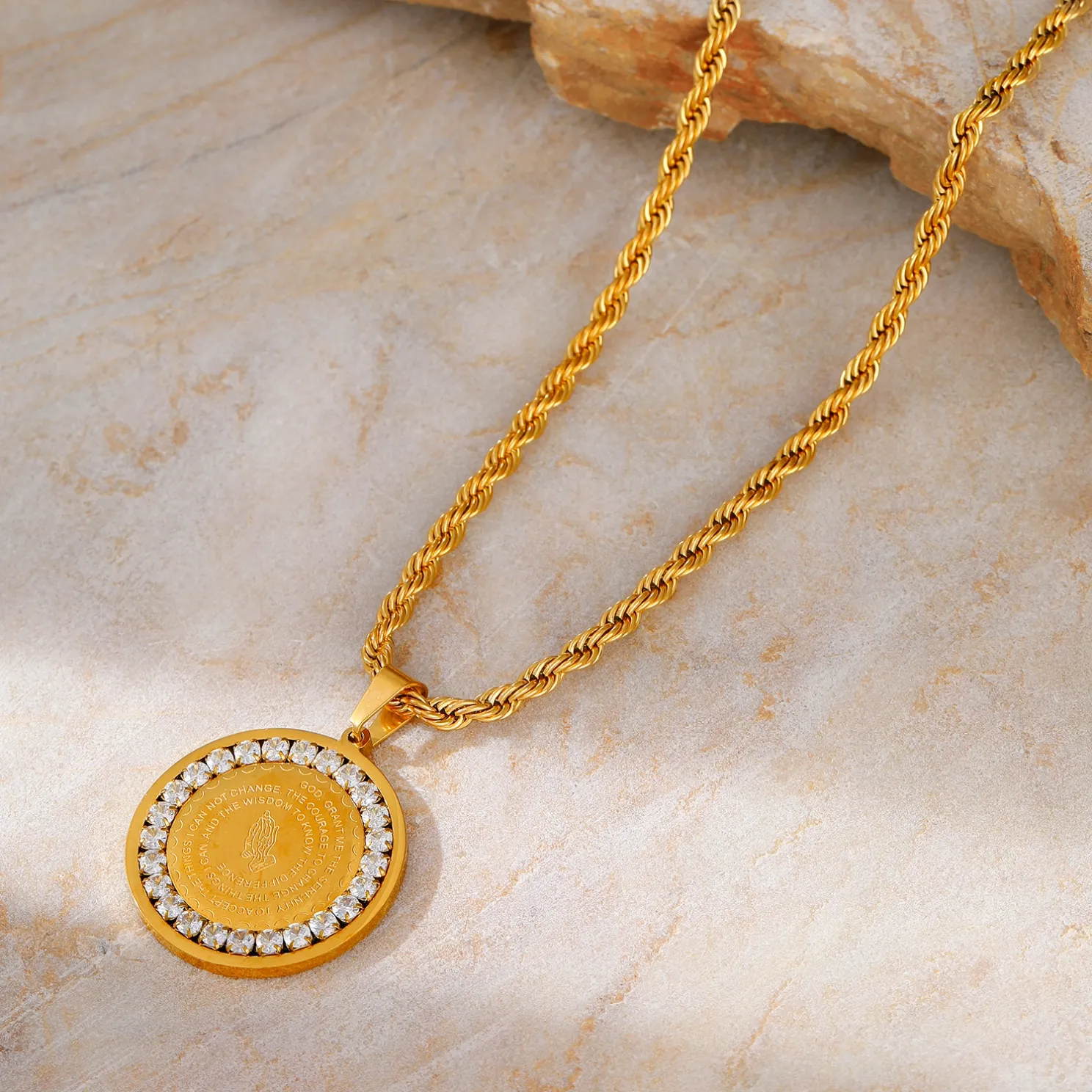
The best jewelry for athletes is jewelry you never have to think about during training: pieces that shrug off sweat, survive the shower, stay put through movement and never develop a smell — which is exactly the job description of stainless steel.
Most jewelry fails athletes quietly. Leather cords stiffen with sweat, plated fashion pieces discolor within weeks of gym sessions, and anything with a weak clasp is one box jump away from the floor. Stainless steel avoids those failures because it is built for exactly this environment: salty sweat, chlorinated pools, constant motion and daily washing.
This guide covers which pieces work for training, which to remove for specific sports, and how to care for jewelry that lives an active life.
Why Sweat Destroys Most Jewelry but Not Stainless Steel
Sweat is essentially warm salt water mixed with skin oils — a combination that corrodes many metals but barely registers on stainless steel's protective surface.
Human sweat contains salt and mild acids. On soft or thinly plated metals, that film eats into the surface, causing pitting, dull patches and skin discoloration within weeks of regular training. Stainless steel behaves differently: its chromium content forms a thin, self-renewing oxide layer that seals the metal, so sweat sits on top instead of biting in. The same layer handles pool chlorine, shower water and soap without complaint. The practical result — you can train, sweat, shower and repeat without your necklace degrading or your skin carrying a smell home from the gym. We answer the full question of whether you can work out with stainless steel jewelry in a separate guide.
What Makes Jewelry Gym-Friendly
Material is only the first filter — profile, closure and edges decide whether a piece survives contact with barbells, mats and machines.
Feature | Why it matters in training | What to look for |
|---|---|---|
Material | Sweat and chlorine corrode weak metals | 316L stainless steel |
Profile | Anything protruding can catch on equipment | Flat chains, low-set studs, smooth cuffs |
Closure | Clasps take repeated knocks | Solid lobster clasp; secure stud backs |
Edges | Rough edges chafe during repetitive motion | Polished, rounded finishing |
Fit | Loose pieces swing, bounce and snag | Snug chains, close-set earrings |
A beautiful pendant on a paper-thin chain is not gym jewelry — the chain will snap on the first towel snag. A chunky ring is not lifting jewelry — it scratches the bar and pinches the finger. Gym-friendly describes the whole piece, not just the material it is made from.
The Best Stainless Steel Pieces for Training
Stud earrings, a short plain chain and a slim flat bracelet form the core athlete kit — everything else is situational.
Piece | Why it works for athletes | Watch out for |
|---|---|---|
Stud earrings | Nothing protrudes, nothing catches | Skip large hoops during contact sports |
16–18 in plain chain | Lies flat against the chest, no pendant to grab | Remove long pendants before lifting |
Slim flat chain bracelet | Low profile under wrist wraps | Chunky cuffs clank on bars and dumbbells |
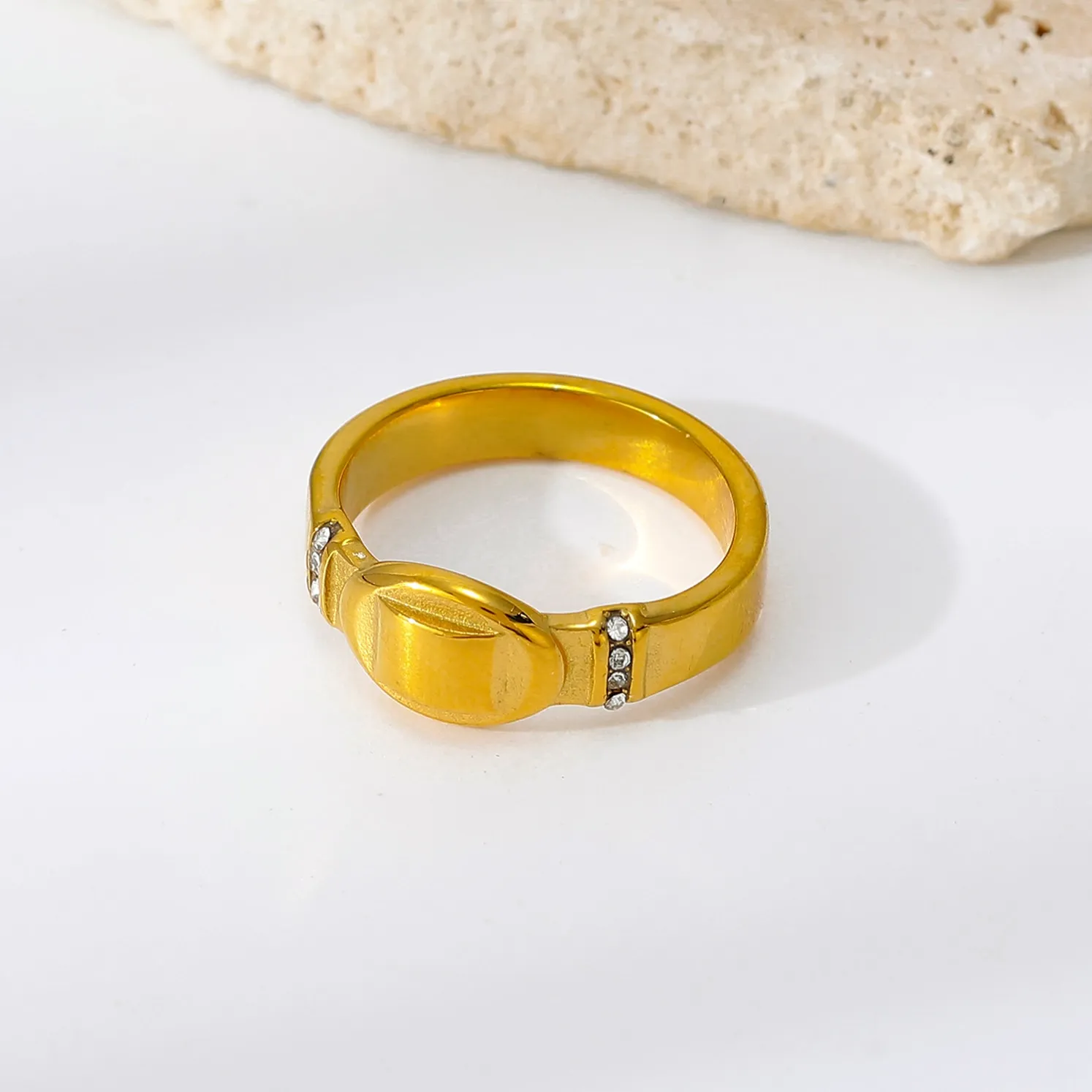
Smooth band ring | Fine for rest days and light sessions | Remove for grip-heavy lifting and climbing |
Chain with small pendant | Fine for cardio and daily wear | Take it off for floor work and machine sets |
The common thread is low profile and secure closure. If a piece cannot snag, it cannot break — that single principle filters most purchase decisions.
Sport by Sport: What to Wear, What to Remove
Stainless steel handles almost any sport, but safety rules still apply — removal is about physics, not material.
Activity | Keep wearing | Take off first |
|---|---|---|
Weightlifting | Studs, short chain | Rings (grip pressure and bar knurling), bracelets (wrist compression) |
Running and cycling | Studs, snug chain, flat bracelet | Long swinging pendants |
Swimming | Steel tolerates chlorine — rinse after | Loose pieces that could slip off in open water |
Yoga and Pilates | Most pieces | Long chains during inversions |
Basketball, martial arts, contact sports | Nothing | All jewelry — for you and everyone you play against |
Climbing | — | Rings (finger injury risk), necklaces (gear catch) |
Note the pattern: stainless steel's water and sweat resistance makes it the material most likely to survive your sport, but no material changes the safety math of a ring meeting a moving bar.
Post-Workout Care in Under a Minute
Rinse, dry, done — sixty seconds of aftercare keeps the salt film sweat leaves behind from dulling the surface between deep cleans.
Sweat left to dry deposits a faint salt film that builds over weeks and takes the shine down a notch. The fix is trivial:
- Rinse the piece under warm water after especially sweaty sessions.
- Pat dry with a clean towel.
- Once every week or two, wash with mild soap and a soft brush, then dry fully.
If a piece has already dulled or collected stubborn grime in the links, a deeper clean brings the polish back — our guide to cleaning tarnished stainless steel jewelry covers the methods step by step.
What to Avoid Wearing During Workouts
The no-go list is short: pendants around moving machinery, rings during grip work, and anything dangling in contact sports.
Even the right material cannot protect against the wrong situation. Pendant chains catch on the pins of a squat rack. Rings concentrate pressure during heavy grip work and deform against knurled bars. Dangle earrings hook onto hoodies and towel collars. And in contact sports, jewelry is a hazard for both athletes — every serious league bans it, and that rule exists for good reason regardless of what the jewelry is made of.
Frequently Asked Questions
Quick answers to the questions athletes ask most about wearing jewelry during training.
Can you wear stainless steel jewelry while working out?
Yes — stainless steel is one of the few jewelry materials that handles workouts without damage. Sweat, humidity and machine contact do not corrode or discolor it, so studs and a plain chain can stay on through an entire session. Just remove rings before lifting, and take off anything with a pendant before working around machines where it could catch.
Does sweat damage stainless steel jewelry over time?
Sweat does not corrode stainless steel because its chromium oxide layer seals the metal and even repairs minor surface disruption. What sweat does leave is a dried salt film that dulls the shine gradually. A quick rinse after training removes that film before buildup starts, which is why athletes who rinse their jewelry keep it looking new for years of training.
Can athletes swim with stainless steel jewelry?
Stainless steel tolerates chlorinated pools and seawater far better than most jewelry metals, so swimming with it will not ruin the piece. Two habits make it better: rinse with fresh water afterward to wash off chlorine and salt, and skip jewelry in open water where a loose clasp could mean losing it. Dry the piece fully once you are out.
Why should lifters remove rings before training?
Rings work against you during grip-heavy lifts in two ways: the bar presses the band into your finger under heavy load, and textured knurling scratches the metal on every set. A stuck ring also becomes a real injury risk when fingers fatigue late in a session. Smooth steel bands are fine for light sessions, but serious grip work calls for empty fingers.
How should athletes clean jewelry after sweaty sessions?
Rinse pieces under warm water after training, pat them dry with a clean towel, and once every week or two give them a proper wash with mild soap and a soft toothbrush. That routine clears the salt film sweat leaves behind before it dulls the surface. Always finish by drying fully, especially around clasps where moisture likes to linger.
Wholesale Stainless Steel Jewelry from IVANDA
Looking for a reliable stainless steel jewelry supplier? IVANDA supplies 316L pieces with PVD 18K gold plating - waterproof, skin-friendly and made for everyday wear. MOQ 60 pcs per style, in stock and ready to ship, with OEM/ODM services for custom designs. Message us on WhatsApp or email sales01@ivanda-fa.com for the latest catalog and wholesale prices.