Oct 20, 2026
Jewelry Gifts by Age: What Suits Whom at Every Stage
Jewelry gifts by age group: what suits teens, the 20s, 30s, 40s-50s and 60+ - safe picks, style instincts and what to avoid at every life stage.
Age is the fastest shortcut in gift-giving: a person's decade predicts their jewelry instincts better than almost any other clue. We already keep a full guide to choosing jewelry gifts by person and occasion and a separate breakdown of anniversary jewelry gifts by year. This article isolates the one variable both leave out — the age ladder itself, from teenage starter studs to easy-clasp classics for 60-plus.
The Age Ladder at a Glance
Age group | Style instinct | Safe picks | Avoid |
|---|---|---|---|
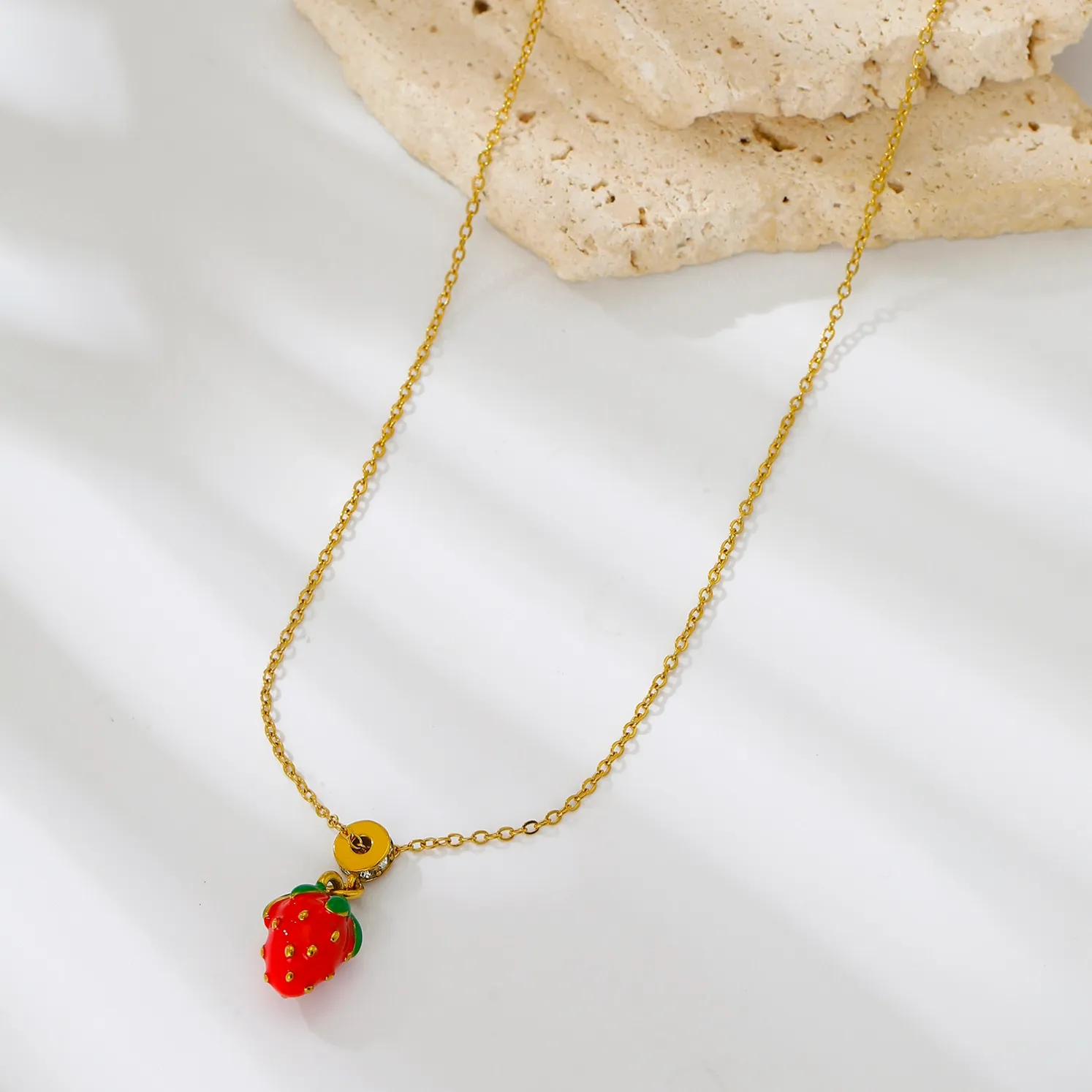
Teens (13-19) | Fun, colorful, still experimenting | Colorful beaded bracelets, starter studs, charm pieces | Expensive statement items they may outgrow within a year |
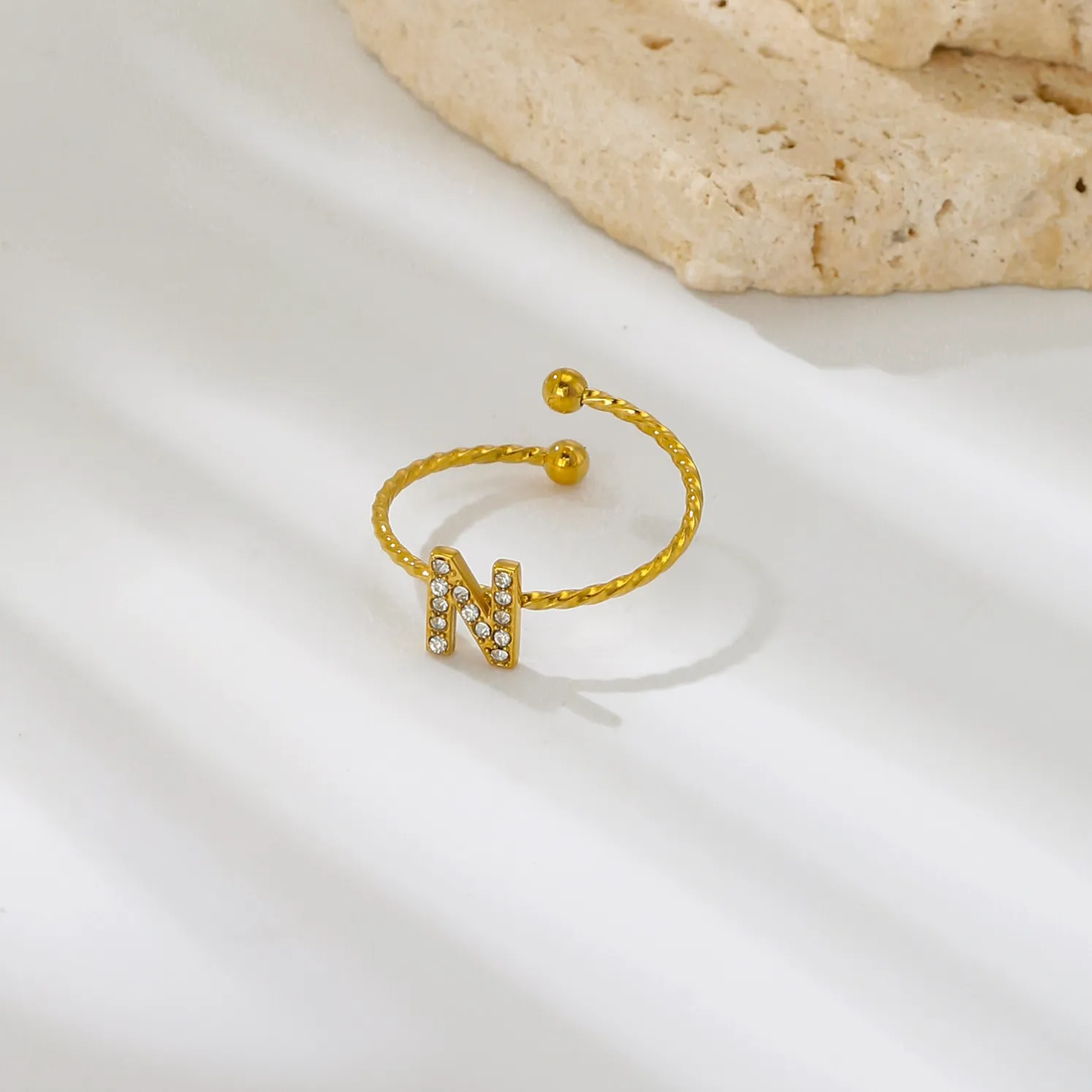
20s | Trend-driven stacks and ear parties | Stacking rings, huggie sets, layered chains | One "forever" piece as the only gift |
30s | Quality basics replacing quantity | A first real bracelet, a solid everyday chain | Ultra-trendy pieces tied to a single moment |
40s-50s | Statement pieces with presence | Wider cuffs, substantial pendants, bold hoops | Delicate pieces that read as an afterthought |
60+ | Classic, comfortable, easy-wearing | Classic bangles, smooth polished chains, easy clasps | Tiny fiddly clasps and featherweight chains |
Use the table for the shortlist, then read the matching section below for the reasoning behind the row.
Teens (13-19): Fun First, Formality Later
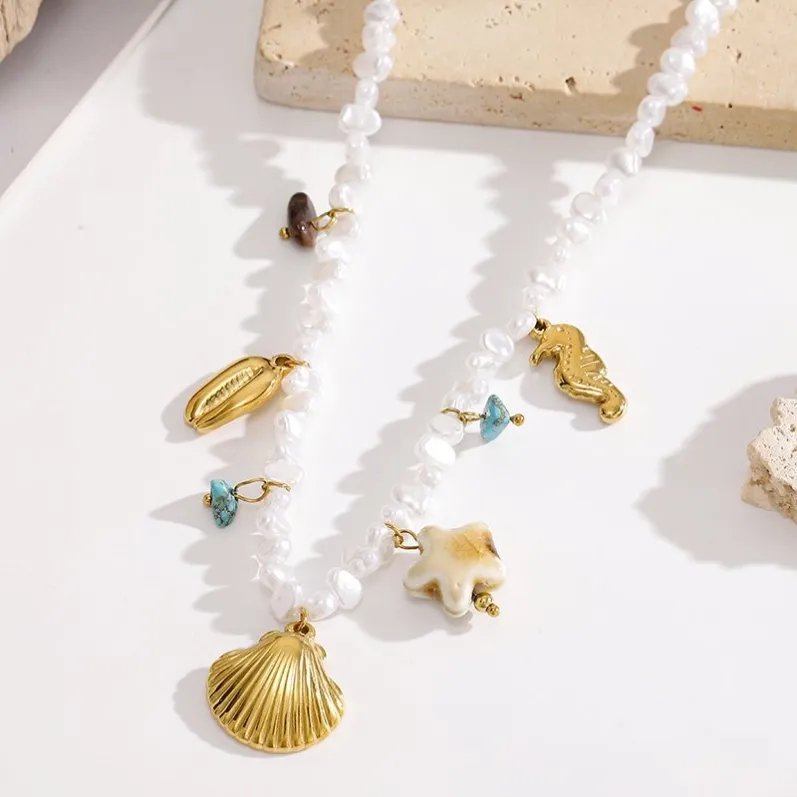
Teen style is a construction site — identity is being tested in real time, and jewelry is part of the experiment. That argues for playful, accessible pieces: colorful beaded bracelets, charm pendants that mark an interest or an inside joke, and starter studs for newly pierced ears. The generous instinct to "buy something real they will have forever" is usually misplaced at this age; what a teen actually treasures is the piece that matches who they are this year.
Waterproof, low-fuss steel suits this group almost by accident. It survives sports practice, showers and being forgotten in a gym bag, so the gift keeps working even when the wearer never once thinks about jewelry care.
Takeaway: gift for who they are now, not who they will become — fun, colorful and wearable beats precious and parked in a box.
The 20s: Stacks, Ear Parties and Trends
The twenties are the decade of accumulation — small pieces stacked, layered and combined into personal combinations. Ear parties (several earrings mixed across multiple piercings), stacked rings and layered chains are the working vocabulary. Trend sensitivity peaks here too, and that is a feature rather than a flaw: a gift that rides the current look lands instantly and gets worn immediately.
The trap is buying one serious "forever" piece as the sole gift. At this stage, volume and versatility beat gravitas — three stackable pieces will dramatically outperform one heavy bangle in total wear time, because they give the wearer choices every morning.
Takeaway: think in sets, not statement — huggies, stackers and layers give a twenty-something a jewelry wardrobe to play with.
The 30s: Quality Basics and the First Real Bracelet
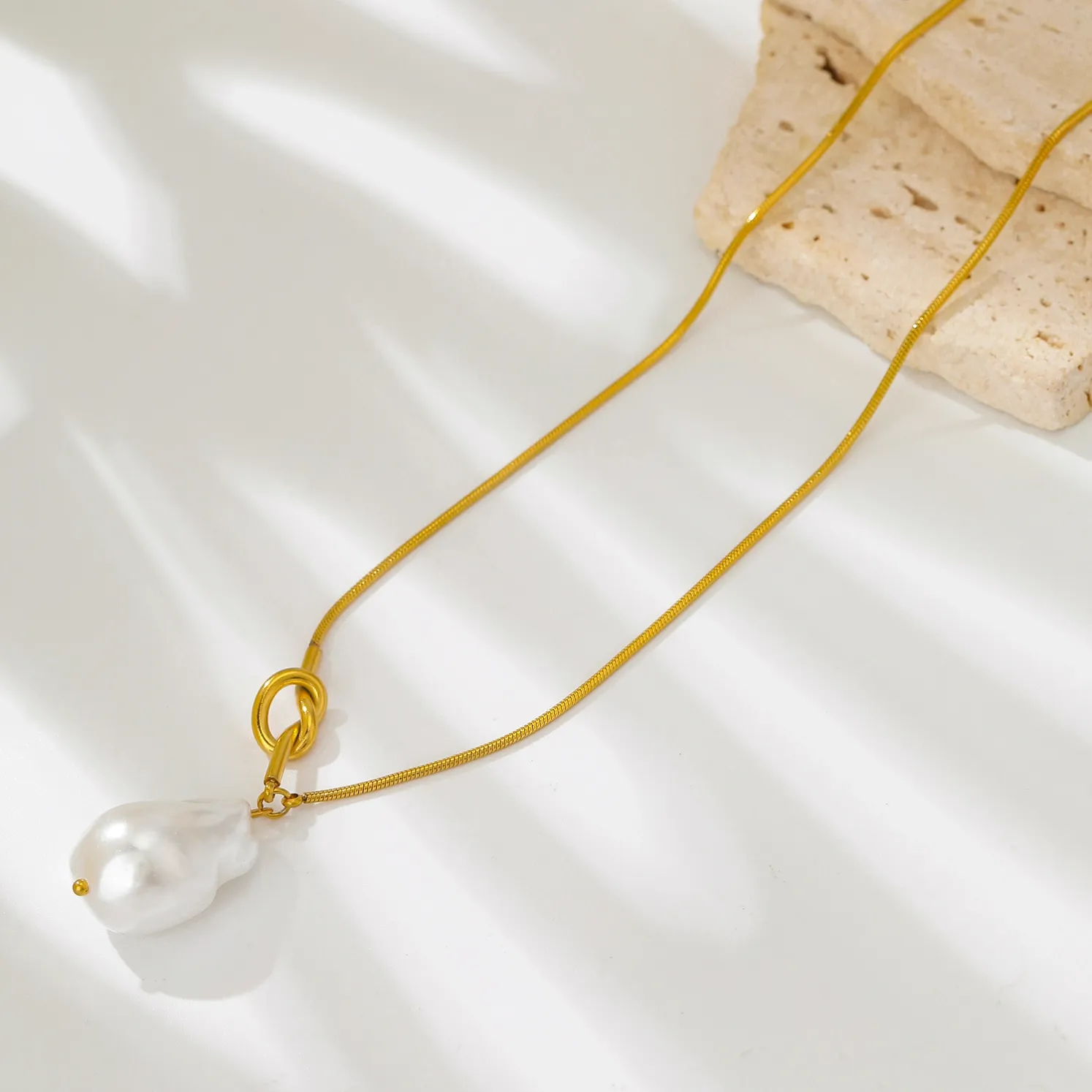
Somewhere in the thirties the wardrobe logic flips: fewer pieces, better pieces, worn constantly. This is the natural moment for a first real bracelet — a solid curb or rope chain for the wrist, a substantial everyday necklace, or a bangle designed never to come off. The recipient has usually settled on a metal tone and a style lane by now, so watch what they already wear every day and upgrade that, rather than branching into something new.
Trend pieces still have their place, but a gift that says "this will last" now matches how they buy everything else — better, once, and with intention.
Takeaway: upgrade what they already wear daily — a first real bracelet or solid chain in their existing style lands harder than any novelty.
The 40s and 50s: Statement Pieces with Presence
By the forties and fifties, most people know their style and stop hedging. Jewelry gets bolder and more deliberate: wider cuffs, substantial pendants, hoops with real diameter, rings that hold their own across a table. Delicate pieces can read as an afterthought at this stage; presence is the point.
The other shift is practical. Pieces need to be comfortable through long days and robust enough to live on the wrist or at the throat permanently, rather than rotating in and out of a jewelry box between occasions. Substantial mid-weight designs in steel manage both without demanding care rituals.
Takeaway: go bolder than feels safe — at this stage a piece with real presence honors the confidence of the person wearing it.
60 and Beyond: Classic Designs, Easy Clasps
For 60-plus recipients, classic design and everyday comfort finally converge. Polished bangles, smooth chains and timeless pendant shapes coordinate with a settled wardrobe instead of competing with it. And the detail that separates a loved gift from a drawer piece is the clasp: tiny mechanisms and featherweight chains frustrate hands that dislike fiddly work. Larger clasps, lever or toggle closures, and chains light enough for all-day comfort without feeling flimsy turn "beautiful" into "worn every day."
This is also the age group most likely to keep jewelry on permanently — so pick pieces that tolerate water, sleep and soap, and the gift never needs to come off at all.
Takeaway: prioritize easy operation and timeless shape — a clasp that opens without a struggle is the difference between worn and stored.
Why Waterproof Steel Works at Every Rung
Every age group above shares one hidden requirement: the gift must survive the wearer's actual life. Teens forget to remove jewelry; twenty-somethings sleep in their ear parties; wearers in their 30s commute, work and work out; wearers in their 40s through 60s want pieces that simply stay on. That is the case for 316L stainless steel — the industry's premium grade for everyday jewelry — and for PVD 18K gold plated finishes over it: water, sweat and skincare do not interrupt the wear, and the care routine is a five-minute wash rather than a maintenance calendar. The price level is friendlier than precious metals too, which lets you give presence, not just a token.
It also means the gift survives taste evolution. The teen who outgrows the color phase still keeps the chain in rotation; the twenty-something who calms down still wears the studs. When you are weighing materials for a lifelong piece, our guide to jewelry that doesn't tarnish compares the main options.
Takeaway: waterproof steel is the age-proof choice — whatever the wearer's taste becomes, the gift keeps up.
Frequently Asked Questions
What jewelry do you give a teenager?
Colorful, playful pieces that match current interests: beaded bracelets, charm pendants and starter studs for new piercings. Keep the price reasonable — teenage taste changes fast, and the gift should be allowed to change with it. Waterproof steel is a smart base because it survives sports, showers and general neglect without losing its finish.
Is jewelry a good gift for someone in their 20s?
Yes — the twenties are the peak decade of jewelry experimentation. Stacking rings, huggie earrings and layered chains match how the age group actually wears pieces. Choose trend-aware designs rather than one heavy forever piece; volume and variety win at this stage, and small stackable gifts combine easily with what they already own.
What kind of jewelry suits someone over 60?
Classic, comfortable designs: polished bangles, smooth chains and timeless pendants that pair with an established wardrobe. Operation matters as much as looks — choose larger, easy-to-grip clasps and lightweight-but-solid chains, because tiny mechanisms frustrate hands. A quality everyday piece in a classic shape gets far more wear than delicate jewelry saved for occasions.
Should age be the only thing guiding a jewelry gift?
No — treat age as a strong starting point, not a rule. A 25-year-old classicist and a 55-year-old trend-follower both exist. Use the age ladder to find the safe center of the target, then let the person's actual wardrobe tell you where to aim. When in doubt across decades, simple, waterproof, mid-weight pieces rarely offend at any age.
How do I pick between metals for an age-based gift?
Match the metal to the lifestyle behind the age. Teens and twenty-somethings need finishes that survive constant wear, which is where 316L steel and PVD 18K gold plated finishes excel. Later decades value stability and low maintenance just as much. Silver suits occasional-wear recipients; anyone wearing jewelry daily is better served by steel.
Wholesale Stainless Steel Jewelry from IVANDA
Looking for a reliable stainless steel jewelry supplier? IVANDA supplies 316L pieces with PVD 18K gold plating - waterproof, skin-friendly and made for everyday wear. MOQ 60 pcs per style, in stock and ready to ship, with OEM/ODM services for custom designs. Message us on WhatsApp or email sales01@ivanda-fa.com for the latest catalog and wholesale prices.