Oct 20, 2026
Gold or Silver for Skin Tone? The Simple Guide
Gold or silver for skin tone? Learn the vein test and white-paper test, match warm and cool undertones, and see why stainless steel lets you wear both.
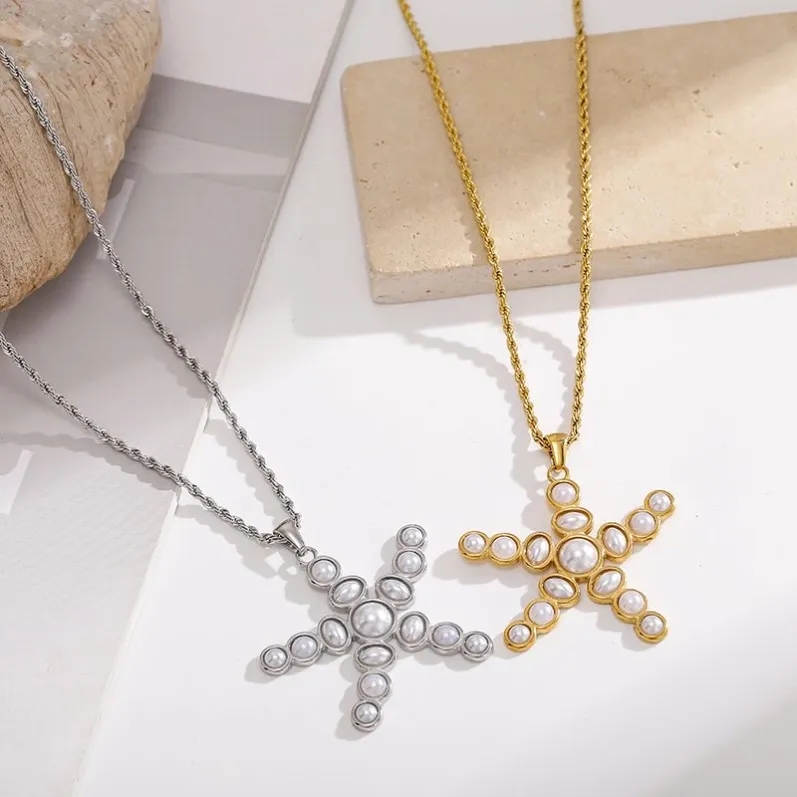
Warm undertones tend to glow against gold, cool undertones tend to pop against silver, and neutral undertones can wear either — and with stainless steel jewelry, trying both tones costs you almost nothing.
This guide walks through the two classic self-checks, explains what undertone actually means, and shows why one base material can now give you both answers — so a mismatched purchase is never wasted.
The Vein Test and the White-Paper Test
Two quick self-checks have been passed around styling circles for decades, and they still work as a starting point.
The vein test: hold your inner wrist up to natural daylight and look at the veins. If they read greenish, your skin leans warm. If they read blue or purple, you lean cool. If you genuinely cannot tell — some green, some blue — you are probably neutral. The white-paper test: hold a sheet of bright white paper next to your bare, freshly washed face in daylight. If your skin looks golden, peachy or yellow against it, that suggests warm. If it looks pinkish, rosy or bluish, that suggests cool. If neither jumps out, neutral again.
Be honest about what these tests are: folk wisdom, not clinical science. Lighting, walls and even a colored sweater can fool you, which is why stylists recommend daylight near a window. But as free thirty-second checks, they mostly work — most people land clearly on one side.
The vein and paper tests are folk wisdom rather than science — but they are a free, fast starting point, and most people find they lean one way.
Undertones at a Glance
Once you have a lean, the table below turns it into a direction. Undertone is the fixed hue under your skin's surface — it stays put while your surface tone changes with sun and season, which is why it is the more useful guide for choosing metals.
Undertone | Skin tends to look | Flatters | Metals to try | Example styling |
|---|---|---|---|---|
Warm | Golden, peachy or yellow cast; tans easily | Earth tones, reds, olive, camel | PVD 18K gold plated pieces; gold plated brass on a budget base | PVD 18K gold plated hoops with linen, cream and camel layers |
Cool | Pink, rosy or bluish cast; burns before tanning | Jewel tones, blue-based colors, crisp white, grey | Natural steel and silver tones | A polished steel chain with navy, white or charcoal |
Neutral | Hints of both; hard to place against white paper | Nearly everything | Both tones, worn together or separately | Steel chain layered with a PVD 18K gold plated pendant |
Undertone is a starting point, not a rule — it tells you where to begin, not what to avoid forever.
Why Stainless Steel Changes the Math
Traditional advice assumed you had to pick a side, because each tone meant a different material and a different budget. Stainless steel removes that dilemma. The same 316L base — the industry's premium grade for stainless steel jewelry — gives you both tones: polished natural steel reads as a cool silver tone, while PVD 18K gold plated pieces read as a warm gold tone on the identical base material.
That matters for three practical reasons. First, the two tones share the same strength, the same water resistance and the same care routine — only the surface color differs. Second, PVD bonding means the gold tone is applied at a molecular level rather than sitting as a soft topcoat, so it wears as slowly as the steel itself, only fading after years of abrasion. If you want the science, we explain how PVD coating works on jewelry in detail. Third, and most useful for shoppers: if you bought the "wrong" tone for your undertone, nothing is wasted. The piece still performs like every other steel piece you own — you simply try the other tone next time, or wear both.
With stainless steel, tone is a surface choice on one proven base — so a mismatched purchase is never wasted.
Mixing Metals for Neutral Undertones
If your vein test came back genuinely undecided, congratulations: you can wear both tones at once, deliberately. Mixed-metal styling has moved from fashion risk to mainstream styling move, and it suits neutral undertones perfectly because neither tone fights the skin.
The simplest formula is dominant-plus-accent: let one tone carry about two-thirds of the jewelry — say a steel chain and steel hoops — and bring the other tone in as a single accent, like a PVD 18K gold plated ring or bracelet. Repeating each tone at least once makes the mix look planned rather than accidental. Keep the visual weight similar so one metal does not outshine the other.
For a full breakdown of proportions, layering and anchoring pieces, see our guide to mixing gold and silver jewelry like a stylist — it works whether your pieces are steel, plated or both.
Neutral undertones do not have to choose — a dominant-plus-accent mix reads as deliberate, not indecisive.
Pairing Metals With Your Wardrobe's Colors
Undertone is only half the picture; the colors you actually wear most days shape which metal looks right. A tone that flatters your wrist can still feel off if your closet lives in the opposite palette, so it is worth matching metal to wardrobe as well as skin.
- Autumn wardrobes — camel, rust, olive, chocolate: warm tones dominate, and PVD 18K gold plated pieces blend into that palette naturally.
- Winter wardrobes — black, charcoal, jewel tones, crisp white: cool, high-contrast palettes make polished steel look sharp and intentional.
- Spring wardrobes — pastels, light denim, cream: soft and forgiving, so both tones work; gold tones add warmth to pale colors, steel keeps them fresh.
- Summer wardrobes — white, navy, soft blues: cool palettes again, where natural steel echoes the water-and-linen feeling effortlessly.
If your wardrobe swings between seasons — most do — the mix-and-match approach from the section above is the practical answer: keep both tones on hand and pair them with the day's palette.
Your closet may have a stronger opinion than your veins — match the metal to the colors you actually wear, not just to your wrist.
Try Both, Keep What Gets Compliments
Every test in this guide is a heuristic, and real wear beats all of them. The cheapest possible experiment: wear one tone for a week, the other tone the next, and notice what happens. Compliments are the data — when three people mention the steel hoops and nobody mentions the gold tone, you have your answer for this season, whatever your veins said.
The real advantage of stainless steel is that this experiment costs almost nothing. Both tones share one durable, waterproof base, so whichever wins, you keep a piece you can actually live in — and the runner-up still works for stacking, mixing or the days your wardrobe pulls the other way.
The best test is real wear — try both tones and keep the one that draws compliments.
Frequently Asked Questions
How can I tell my undertone quickly?
Hold your inner wrist to daylight for the vein test: greenish veins suggest warm, blue or purple suggest cool, a mix suggests neutral. Then try the white-paper test against your bare face in the same light. Doing both takes under a minute and agrees most of the time.
Can warm undertones wear silver?
Yes — undertones are a tendency, not a law. Many warm-toned people wear natural steel happily, especially against earthy wardrobes where the contrast reads as crisp rather than clashing. If you love a cool tone but want warmth near the face, wear it lower on the body and keep warmer pieces closer to your skin.
Does PVD 18K gold plating suit warm undertones?
It does — PVD 18K gold plated stainless steel delivers the same warm gold tone that flatters golden and peachy skin, but on a 316L base that handles water and daily wear. The tone stays consistent piece to piece, which makes building a matched warm-toned stack straightforward.
What if I look good in both tones?
You are likely neutral — wear that as a styling advantage. Mixed-metal looks look intentional on neutral undertones, and seasonal palettes give you a reason to switch: warmer tones for autumn layers, cooler steel for summer whites. Owning both tones means every outfit has a matching option.
Will the gold tone fade if I wear it every day?
The PVD layer is bonded to the steel at a molecular level, so it holds up to daily wear, water and sweat far better than conventional plating. It is not immortal, though: after years of abrasion the tone gradually wears, and sharp objects can mark any surface. Treated reasonably, it lasts for the long haul.
Wholesale Stainless Steel Jewelry from IVANDA
Looking for a reliable stainless steel jewelry supplier? IVANDA supplies 316L pieces with PVD 18K gold plating - waterproof, skin-friendly and made for everyday wear. MOQ 60 pcs per style, in stock and ready to ship, with OEM/ODM services for custom designs. Message us on WhatsApp or email sales01@ivanda-fa.com for the latest catalog and wholesale prices.