Oct 23, 2026
How to Layer Necklaces of Different Lengths
Learn how to layer necklaces of different lengths: the two-inch rule, the best chain lengths for stacking, pendant placement and tangle-free tips.
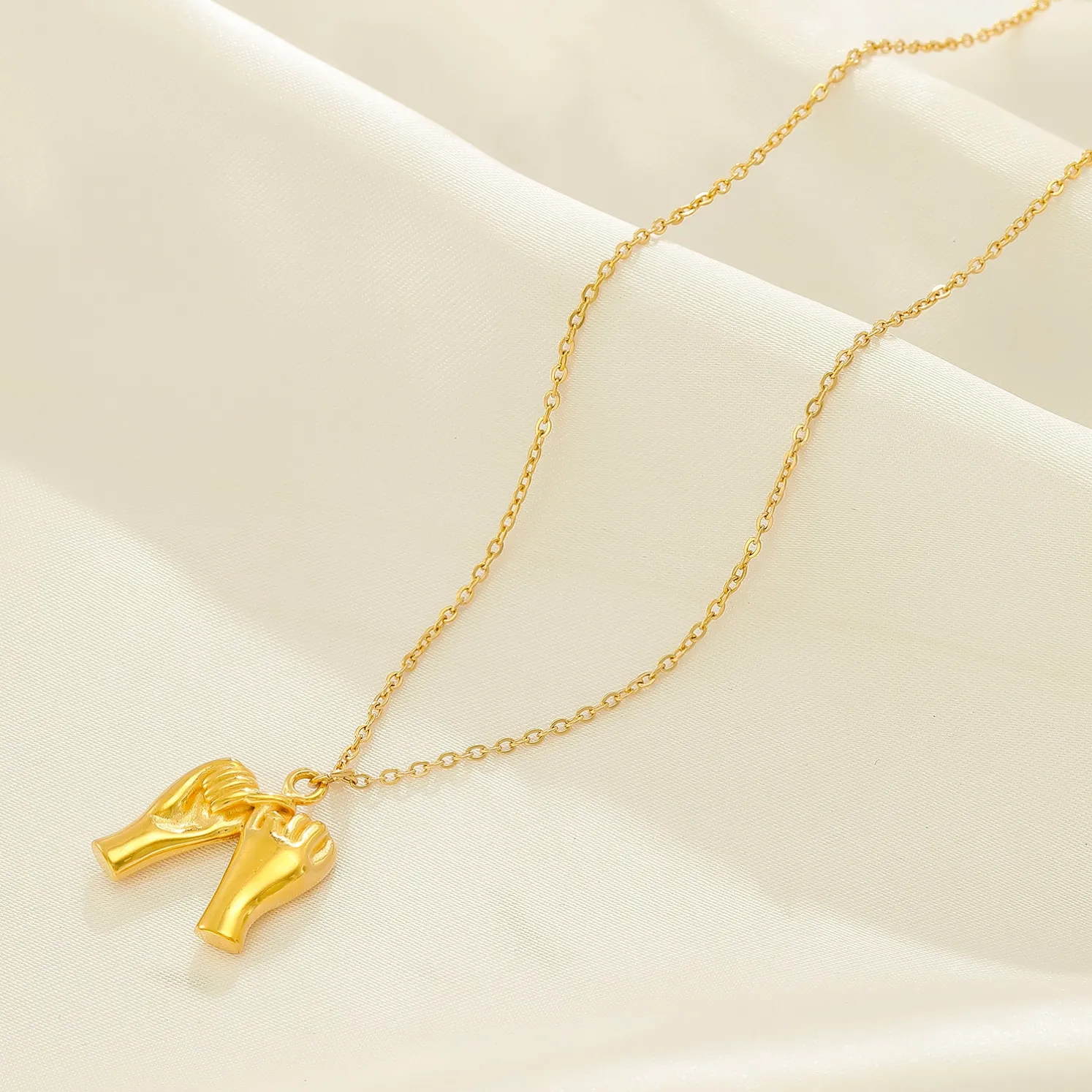
The one rule that makes or breaks a layered necklace look is length variation: every chain in your stack needs its own band of space, usually two inches apart, so the layers read as an intentional gradient instead of a tangled knot.
Layering necklaces of different lengths is one of the easiest ways to make jewelry feel personal. A single chain is an accent; a stack of three tells a story. You don't need a huge collection to pull the look off — three or four well-chosen lengths, a bit of contrast, and a few habits that keep the layers from twisting into knots.
This guide walks through the whole process: choosing lengths, building a three-layer stack, mixing chain styles, and keeping everything tangle-free.
Why Length Variation Comes First
If your chains are all the same length, they will twist around each other within an hour — length separation is what keeps a stack looking clean all day.
Necklaces sit at slightly different heights, and every movement — talking, turning, reaching — rolls neighboring chains toward each other. When two chains occupy the same zone, they braid together until the stack is one thick knot. The fix is purely geometric: give each layer at least two inches of vertical separation. A 16-inch chain layered over an 18-inch chain separates cleanly all day; two 18-inch chains will not.
Variation also creates the visual effect people actually want: each strand visible as its own line, with its own texture or pendant. That only happens when lengths step up or down in even increments.
The Necklace Length Chart for Layering
Most successful stacks pull from four standard lengths — 16, 18, 20 and 22 inches — with shorter collars and longer opera lengths serving as accents rather than foundations.
Length | Where it sits | Role in a layered look |
|---|---|---|
14 in (35 cm) | Tight at the throat | Collar accent; rarely worn with more than one other piece |
16 in (40 cm) | Base of the neck | Shortest stack layer, often a snake or beaded strand |
18 in (45 cm) | At the collarbone | The workhorse — usually carries the main pendant |
20 in (50 cm) | Just below the collarbone | Middle layer, often a plain chain |
22 in (55 cm) | Upper chest | Adds depth; a good spot for a second pendant |
24 in (60 cm) | At or below the sternum | Longest layer; works over high necklines |
Building Your First Three-Layer Stack
Start with an 18-inch pendant chain, add a plain 16-inch chain above it and a 20-inch or 22-inch chain below — that single formula works with almost every neckline.
Here is the simplest reliable recipe:
- Anchor layer (18 in): your favorite piece, usually a pendant, worn at the collarbone where it catches the most attention.
- Top layer (16 in): something quiet — a thin cable, box or snake chain — that frames the anchor without competing with it.
- Base layer (20–22 in): a longer chain that stretches the eye downward. A small coin or charm works, as long as it sits clearly below the anchor pendant.
Once the trio feels natural, a fourth layer at 14 or 24 inches extends the look for lower necklines. A two-layer version — pendant at 18, plain chain at 16 — is the minimalist's daily default.
Mixing Chain Styles and Pendants
Contrast is what makes layers readable — pair at least two different chain types or widths so the eye can tell each strand apart at a glance.
Chain style | Look | Layers best with |
|---|---|---|
Cable | Simple oval links, uniform | Anything; the default filler chain |
Curb | Flattened interlocking links | A bold middle layer under a thin top chain |
Snake | Smooth, liquid tube | Choker-position layers; note that it kinks easily |
Box | Small square links, subtle sparkle | Quiet top layers |
Paperclip | Elongated links, graphic | Statement base layers |
Rope | Twisted, textured | Strong middle or bottom anchor |
A classic combination: a thin snake chain at 16 inches, a paperclip chain at 18 inches with a small charm, and a curb chain at 20 inches. Stagger pendants too — two pendants at the same height will click together, flip and tangle by midday.
How to Keep Layered Necklaces from Tangling
Vary the weight of adjacent layers, keep clasps swiveled to the back, and store the stack flat — those three habits prevent most knots.
Even perfectly spaced chains tangle if they share the same weight class. A feather-thin cable chain will wrap around a heavier curb chain every time, because the lighter strand moves more freely. Practical fixes:
- Alternate thin and thick layers so no two neighbors weigh the same.
- Use a layering clasp that links multiple chains to one closure, holding the strands parallel.
- Put necklaces on in order, longest first, so each layer sits flat on the layer beneath.
- Store stacks hanging or lying flat, never heaped in a pouch where they knot overnight.
Choosing Metals and Finishes
Matching metals is safe but not required — what matters more is that every layer is a material built for daily wear, which is where stainless steel earns its place in a stack.
An all-silver stack is the easiest win. Mixing in a PVD 18K gold plated chain also works — the two-tone contrast reads as deliberate when the chain styles differ. Because layered pieces touch each other constantly, softer plated metals scratch quickly and reveal base metal at the contact points. Stainless steel layers rub against each other without flaking or dulling, which matters when you wear the same stack every day. For a material-by-material comparison, see our guide to jewelry that doesn't tarnish.
Common Layering Mistakes
The most common mistake is stacking several thin chains of similar length — same width plus same length equals one thick knot.
Mistake | What happens | Fix |
|---|---|---|
Two chains within 1 inch of each other | Twisting and knotting by midday | Move to a 2-inch separation |
All pendants at the same height | Clicking, flipping, catching | Stagger pendant drops |
Stacking identical thin chains | They braid into one strand | Alternate widths and textures |
Ignoring the neckline | The stack disappears under a collar | Match the longest layer to the cut |
Sleeping in the stack | Overnight knots and kinked chains | Take the layers off before bed |
Frequently Asked Questions
Quick answers to the most common questions about layering necklaces.
How many necklaces should you layer at once?
Two or three layers is the sweet spot for daily wear, and four works for statement looks. Beyond four, the stack crowds the neckline and tangles more easily, since each added chain increases friction against its neighbors. Start with three, wear the stack for a full day, and add a fourth only if every layer still sits flat and stays visible.
What is the two-inch rule for layering necklaces?
The two-inch rule says each necklace in a stack should sit at least two inches apart from the next one. That gap gives every chain its own visible band of skin or fabric and stops neighboring strands from twisting together. Shorter gaps sometimes work when chain weights differ a lot, but two inches is the dependable default for everyday stacks.
Can you layer different chain styles together?
Yes, and you should. Mixing chain styles — a smooth snake chain over a textured rope chain, for example — creates the contrast that makes each layer readable. Uniform stacks of the same chain type tend to blur together, both visually and physically. Vary at least the width or the texture between adjacent layers, even when the metal matches perfectly.
What length should the longest layering necklace be?
For most everyday stacks, the longest layer lands at 20 to 22 inches, resting just below the collarbone or on the upper chest. If you are layering over a turtleneck or another high neckline, a 24-inch chain works better because it hangs past the fabric. Choose the longest length based on where you want the eye to finish.
Do layered necklaces have to match in metal?
They don't have to match. Mixing stainless steel with a PVD 18K gold plated piece looks intentional when the layers differ in style or width. The more useful rule is matching durability rather than color: every layer should handle water and daily friction equally well, so one dull, flaking chain doesn't drag down the rest of the stack.
Wholesale Stainless Steel Jewelry from IVANDA
Looking for a reliable stainless steel jewelry supplier? IVANDA supplies 316L pieces with PVD 18K gold plating - waterproof, skin-friendly and made for everyday wear. MOQ 60 pcs per style, in stock and ready to ship, with OEM/ODM services for custom designs. Message us on WhatsApp or email sales01@ivanda-fa.com for the latest catalog and wholesale prices.