Oct 20, 2026
How to Sell Stainless Steel Jewelry: 8 Tips That Work
Eight practical tips for selling stainless steel jewelry: demo the water test, bundle by look, photograph on skin and use care cards to build trust.
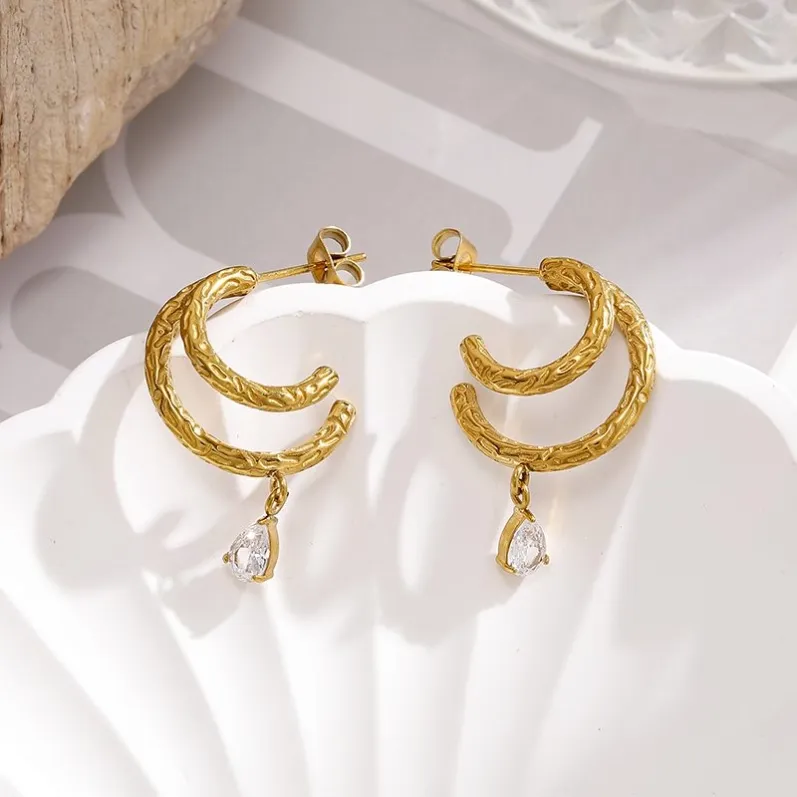
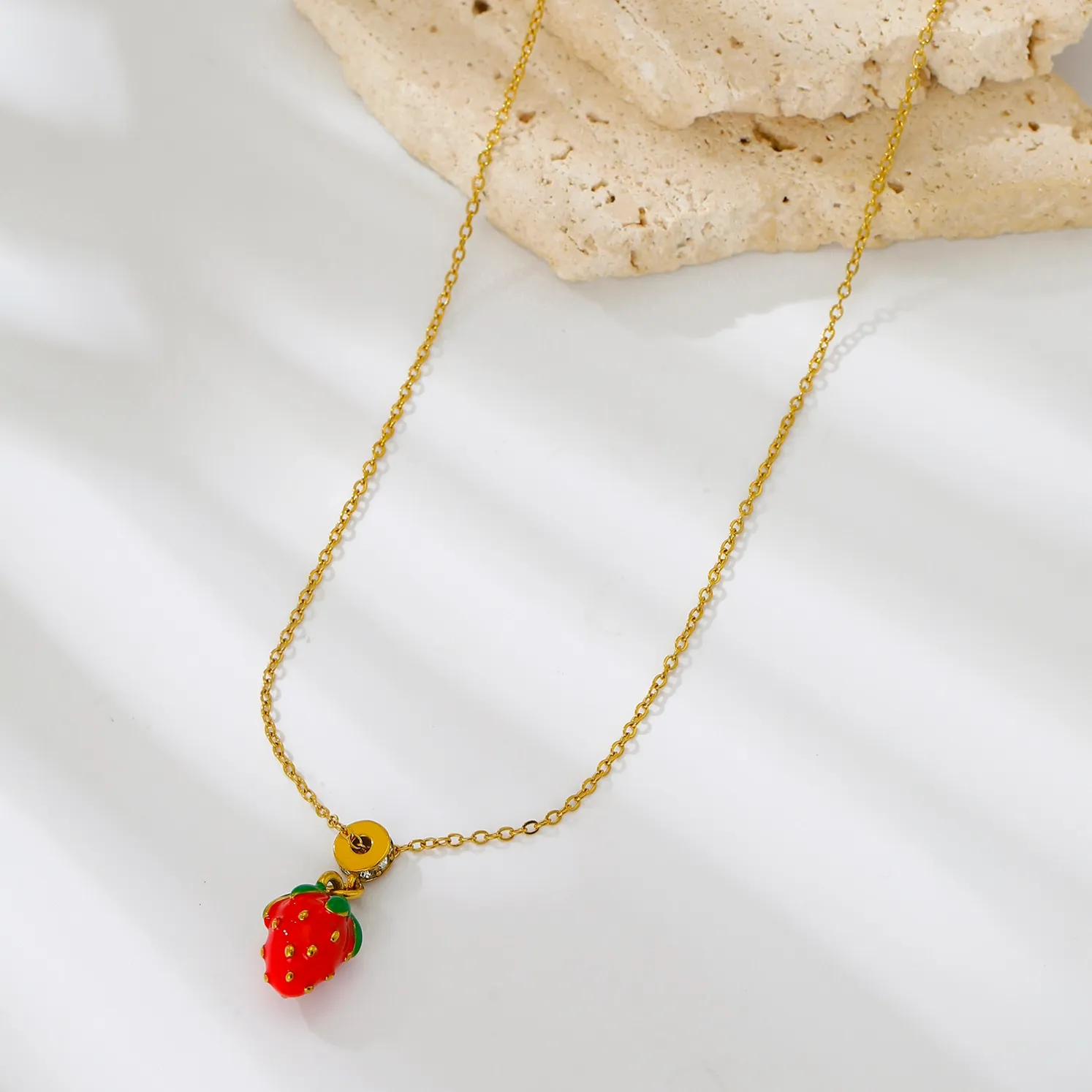
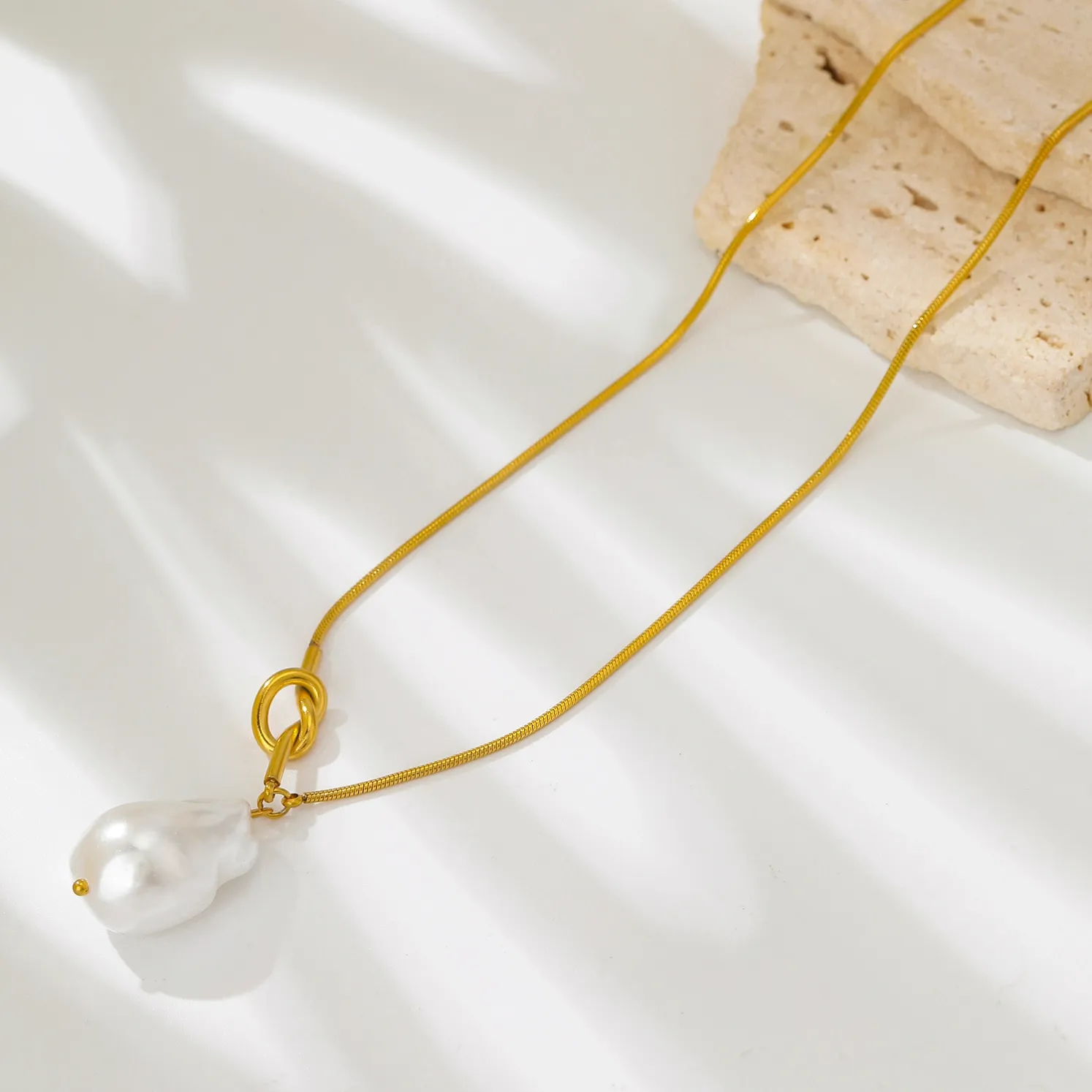
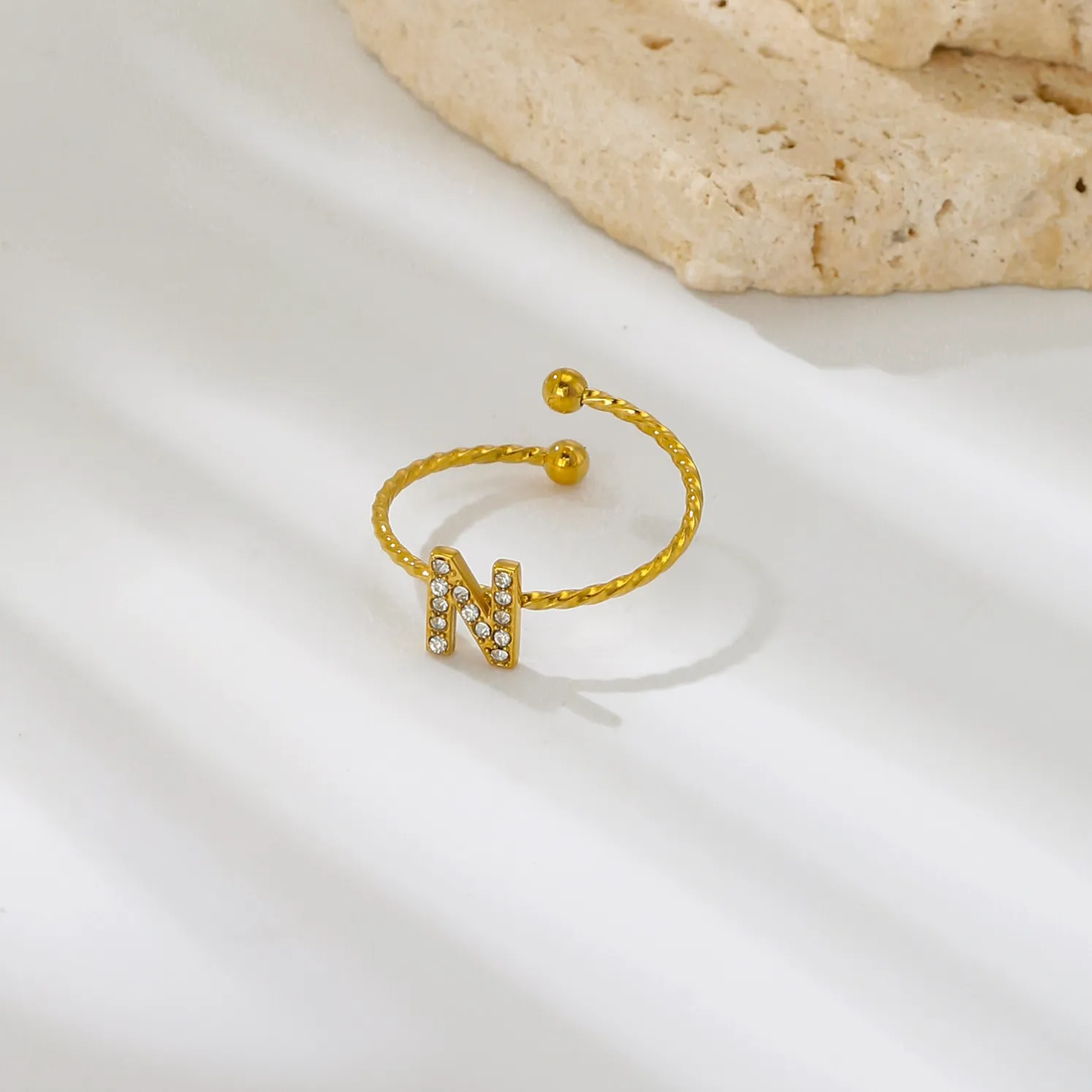
Stainless steel jewelry is the easiest product on your counter to demonstrate — and the easiest to oversell — so the retailers who move it in volume lead with what it does, not with precious-metal promises it cannot keep. Customers rarely walk in asking for 316L. They walk in wanting something that will not fade in the shower, will not mark their wrist and will not cost a month's rent. That is precisely the gap stainless steel fills, and your sales approach should be built around proving it.
This guide gives you eight field-tested tips for how to sell stainless steel jewelry — plus a one-page table for your floor team and the honest framing that turns a first purchase into a repeat customer.
Why Stainless Steel Sells Itself — Once Demonstrated
The product's core story is waterproof, low-maintenance everyday wear. Unlike silver, it does not tarnish on the shelf. Unlike thin plated fashion pieces, properly finished steel takes water, sweat and lotion without flaking. Your best salesperson is not a script — it is a glass of water.
Most customers have been burned before: the "gold" chain that dulled in two weeks, the ring that turned their finger green. When you show that steel shrugs off the exact things that killed their last purchase, you are no longer selling features — you are resolving a remembered frustration.
Takeaway: do not describe durability — demonstrate it. A ten-second water demo outsells any pitch you can memorize.
The 8 Tips at a Glance
# | Tip | Why it works | Execution in one line |
|---|---|---|---|
1 | Demo the water test | Proof beats promises | Run a piece under the tap, dry it, hand it back spotless |
2 | Bundle by look, not type | Lifts average order value | Merchandise ready-made "stacks" by style mood |
3 | Photograph on skin | Shows true color and scale | Include a wrist, neck or ear in every product shot |
4 | Add a care card | Turns a spec into trust | Slip a short care card into every package |
5 | Price-anchor against fine styling | Justifies the ticket | Compare the look to fine jewelry, never to cheap fashion racks |
6 | Leverage the repeat buy | Low ticket invites a second piece | Suggest a matching item at checkout |
7 | Rotate seasonally | Creates urgency and freshness | Refresh featured styles every season |
8 | Use aftercare as retention | Follow-ups drive reorders | Send care reminders and styling tips after purchase |
Takeaway: the table is your training sheet — every tip is a demonstration, a merchandising move or a retention play.
Tips 1–4: The Demonstration Toolkit
1. Demo the water test. Run a bracelet under the tap, dry it, and hand it back spotless. The contrast with what customers expect is the whole sale. Connect the demo to the material: 316L stainless steel is the industry's premium jewelry grade, chosen for how it holds up to water and daily wear. Curious customers can read more in this guide to jewelry that doesn't tarnish.
2. Bundle by look, not by type. Customers do not think in "chains, rings, bracelets" — they think in looks. Build ready-made stacks: a minimalist set for the office, a chunkier set for weekends. Bundling by style mood raises average order value far more reliably than discounting single pieces — and it makes choosing easier.
3. Photograph on skin. Steel on a white background looks cold and anonymous; steel on a wrist looks like a purchase. On-skin photography communicates true color, scale and weight, and answers the unspoken question — "will this look cheap on me?" — before it is asked. Online, this matters double: your product page is your counter. Marketplace sellers can pair on-skin shots with the sourcing practices in this Amazon FBA jewelry guide.
4. Make the care card a trust builder. A small card with three care lines — rinse after swimming, avoid abrasive scrubs, store dry — signals you stand behind the product long after the sale. Admitting the piece needs minimal but real care makes every other claim more believable. Packaging and inserts carry your brand between purchases — the ideas in this small-brand jewelry packaging guide apply directly.
Takeaway: tips 1–4 do one job — they convert a material spec into something the customer can see, touch or hold.
Tips 5–8: The Pricing and Retention Playbook
5. Price-anchor against fine jewelry styling, not against cheap fashion. Never position steel as "the cheap alternative" — that framing trains customers to haggle you down to nothing. Anchor against the look instead: "this stack gives you the fine-jewelry styling at a fraction of the ticket." You are selling the aesthetic of fine jewelry at an everyday price: sell the look, and you attract style shoppers instead of discount hunters.
6. Leverage the repeat-buy, low-ticket profile. Because single pieces are affordable, the customer who hesitated today happily returns for a second piece next month. Treat every sale as an entry point — a chain customer is a future ring customer — and invite people back when new styles land.
7. Rotate seasonally. Steel's accessible price point makes seasonal refreshes painless — lighter tones for summer, layered chains for winter, gifting sets before the holidays. Rotation gives customers a reason to return, keeps your display fresh for social media, and lets you test which looks convert.
8. Use aftercare as retention. A short follow-up with cleaning tips — "here is how to keep your finish bright for years" — costs nothing and keeps your brand in the customer's phone. Aftercare is also where honesty pays: tell customers the truth about the finish, and they will believe you on the next purchase too.
Takeaway: tips 5–8 treat every sale as the start of a relationship — the real money is in the second and third purchase, not the first.
Honest Framing: What Not to Claim
Stainless steel is not a precious metal, and pretending otherwise will burn you. Never call a plated piece "gold" — describe finishes accurately as PVD 18K gold plated or rose gold plating. Never promise indestructibility: PVD coatings are tough, but they gradually thin after years of abrasion, and no jewelry survives everything. Sell the honest version — years of everyday wear at an accessible price — and returns stay low while repeat rates climb.
Honesty is also a closing tool: "It is not solid gold, and I will not pretend it is — but you can shower in it and it will still look like this in two years" resolves the objection in the customer's head before it kills the sale.
Takeaway: overselling is expensive — honest framing produces fewer returns, better reviews and more repeat customers than hype ever will.
Frequently Asked Questions
What is the best way to introduce stainless steel jewelry to customers?
Lead with a demonstration, not a description. Run a piece under water, dry it and hand it back while explaining that 316L stainless steel is the industry's premium jewelry grade, built for water, gym and travel. Position it as the look of fine jewelry without the maintenance or the price, then let the customer handle the piece.
How should I price stainless steel jewelry?
Anchor against fine jewelry styling rather than discount fashion. Use relative positioning — "the look of solid gold at an accessible price" — and let bundles lift the average order value instead of markdowns. Avoid competing on cheapness: it attracts one-time bargain hunters and erodes the perceived quality of everything else in your display.
Do customers mind that it is not a precious metal?
Almost never, once the trade-off is stated plainly. Customers buying stainless steel are buying waterproof, low-maintenance everyday wear, not an investment asset. Say what it is — durable steel, an accurate finish description, an accessible price — and the objection disappears. What annoys buyers is discovering a "gold" claim was really a coating, so accuracy protects you.
What should a jewelry care card include?
Keep it to three to five short lines: rinse after pool or seawater, avoid abrasive cleaners and scrubs, store dry, and a note that plated finishes soften gradually over years of wear. Honest care instructions signal confidence, reduce avoidable damage and give you a reason to follow up with the customer later.
How do I keep stainless steel jewelry customers coming back?
Work the retention loop: a care-tip follow-up after purchase, a message when seasonal styles rotate in, and a second-piece suggestion at checkout. Because the ticket is accessible, returning is an easy decision — your job is to give customers a reason and a moment to do it.
Wholesale Stainless Steel Jewelry from IVANDA
Looking for a reliable stainless steel jewelry supplier? IVANDA supplies 316L pieces with PVD 18K gold plating - waterproof, skin-friendly and made for everyday wear. MOQ 60 pcs per style, in stock and ready to ship, with OEM/ODM services for custom designs. Message us on WhatsApp or email sales01@ivanda-fa.com for the latest catalog and wholesale prices.