Oct 23, 2026
How to Choose Stainless Steel Jewelry by Profession
Jewelry for professionals: match stainless steel pieces to healthcare, office, kitchen, fitness and travel workdays — with style and care tips that last.
The right jewelry for professionals is less about taste and more about friction: patients, pupils, kitchen heat, salon chemicals and gym equipment all punish the wrong piece, while the right one simply disappears into the workday. Stainless steel has become the default answer for working wardrobes precisely because it survives all of those environments — but the style that suits a clinic is not the style that suits a studio.
Search interest in work-friendly jewelry keeps growing, driven by nurses, chefs, teachers, trainers and client-facing staff who want to look put-together without thinking about their jewelry mid-shift. This guide matches pieces to professions, with one rule throughout: the workday sets the constraints, and the jewelry has to fit inside them.
Why the Workday Should Choose the Jewelry
A piece is only practical if it survives the specific hazards of the job — snagging, scratching, constant washing, heat or eight hours of phone calls.
Two questions sort every profession. First: what does the work do to the jewelry — water, chemicals, friction, physical contact? Second: what does the jewelry do to the work — hygiene rules, safety requirements, client impressions? A piece that fails either test stays in the drawer, no matter how good it looked in the product photo.
The cheat sheet below compresses the most common workdays into one table:
Profession | Workday challenge | What works | What to avoid |
|---|---|---|---|
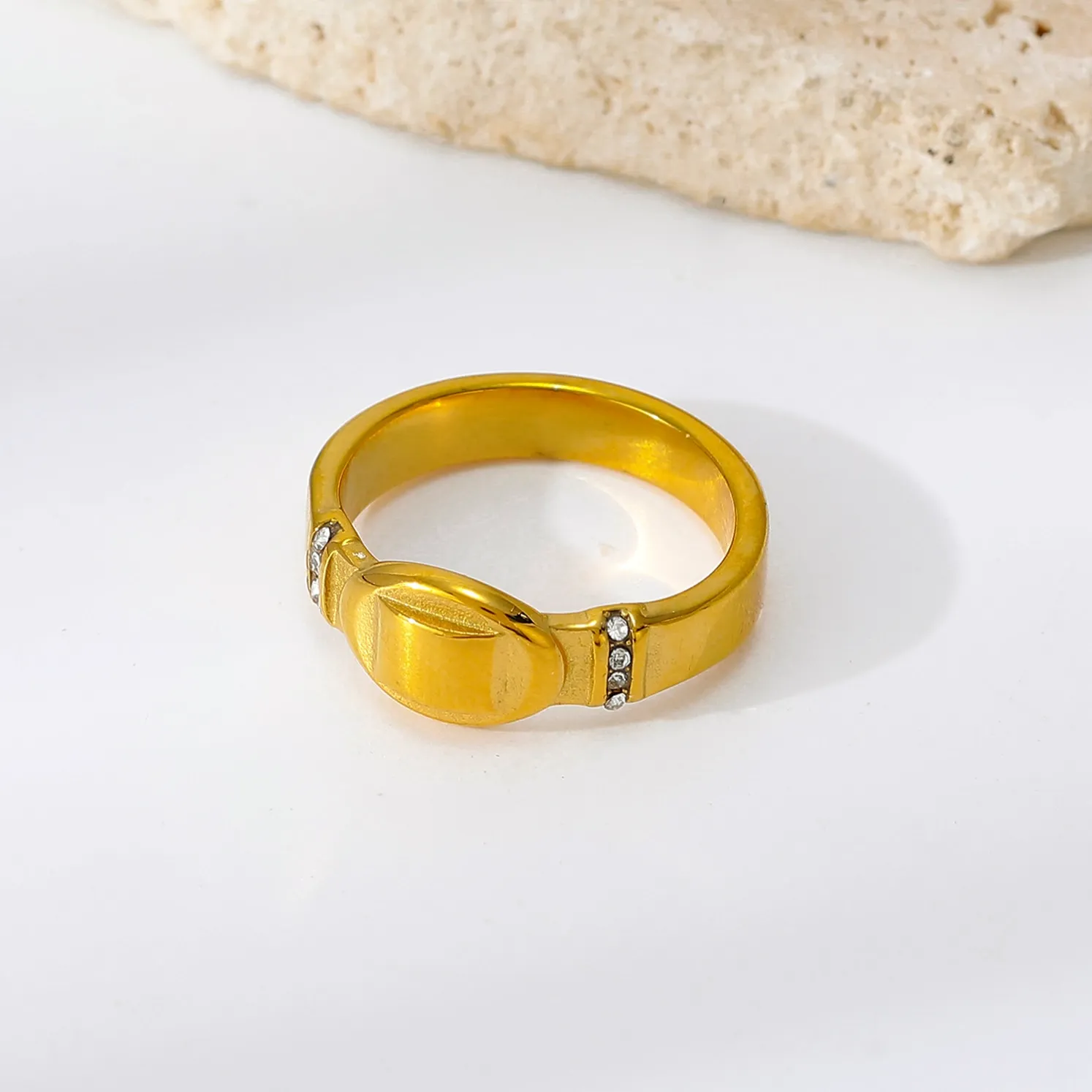
Healthcare | Constant handwashing, gloves, hygiene rules | Smooth plain bands, small huggies | Rings with crevices, dangling designs |
Food service | Heat, steam, strict hygiene | Slim bands, small studs | Loose bracelets, large rings |
Office and client-facing | Appearance under scrutiny | Thin chains, medium hoops | Chunky pieces that clatter on desks |
Teaching and childcare | Small hands that grab | Studs, snug chains | Long drops, protruding charms |
Fitness and coaching | Sweat, equipment contact | Waterproof steel designs | Anything that knocks machines |
Beauty and hairdressing | Chemicals, hot tools, snagging | Sleek huggies, close-set bands | Large hoops that catch combs |
Trades and outdoor work | Dust, impact, machinery | Smooth bands — where site rules allow | Any ring on active machinery sites |
The last row deserves emphasis: on sites with machinery, workplace safety rules come first, and many ban rings entirely. No design overrides that.
Healthcare and Hands-On Care Work
For medical, dental and care staff, the winning formula is smooth surfaces, snug fits and materials that tolerate constant washing.
Few workdays punish jewelry like a clinical one. Alcohol rubs and soap, applied dozens of times a shift, strip the plating off base-metal jewelry within months; 316L stainless steel simply continues looking the same. Design matters as much as material: plain bands without stone settings have no crevices to trap residue, and they slide under gloves without snagging. Earrings should sit close — small studs or huggie hoops that do not swing toward patients or catch on masks. For wearers whose ears struggle with long shifts, our guide to earrings for sensitive ears explains which design features make the difference. And workplace policy always comes first — many clinical settings restrict rings to plain bands.
Office and Client-Facing Roles
In offices, jewelry is part of the professional signal — the goal is pieces that look intentional at 9 a.m. and identical at 7 p.m.
Client-facing work rewards consistency. A thin chain, medium hoops or a slim band reads polished in a meeting and stays unobtrusive on a video call. The material advantage is subtler here but real: steel does not tarnish overnight in a desk drawer or react to a day of coffee-and-keyboard hands, so the piece that looked right on Monday looks right on Friday. Warm gold tones come from a PVD 18K gold plated finish, which suits the clean lines of minimalist office jewelry — though, honestly, on pieces worn every day the surfaces that touch desks, cuffs and necklines can soften slightly after several years. Rotating two or three pieces, rather than wearing a single one daily, keeps any plated finish looking fresh for longer.
Kitchens, Salons, Studios and Workshops
Heat, chemicals and constant hand movement make these the harshest environments jewelry meets outside an industrial setting — simplicity wins, every time.
Commercial kitchens combine steam, oil and strict hygiene rules: rings off or plain bands on, bracelets minimal, earrings small enough to tuck under a cap. Salons and studios add their own chemistry — dyes, peroxides, cleaning agents — which is tough on every kind of jewelry. Steel tolerates splash exposure far better than plated base metals, but no surface finish loves salon chemicals: over years of constant contact, even a PVD 18K gold plated finish can lose luster faster than it would on an office wearer. Hairdressing adds one mechanical hazard — combs, clips and hot tools catch on anything that swings — so huggies and close-set bands beat large hoops and charm bracelets by a wide margin.
Gyms, Travel Days and On-the-Move Roles
For people whose week is built around movement, water resistance is not a bonus feature — it is the qualification.
Personal trainers, frequent flyers, field sales staff and anyone whose job happens in transit share one pattern: the jewelry never gets a day off. Sweat, hotel gyms, pool decks, red-eye flights. Steel handles all of it without tarnish, so the design question becomes weight and profile — nothing that knocks against equipment, snags on luggage or presses marks into skin during sleep on a plane. Our explainer on what waterproof jewelry is and how long it lasts covers how different materials handle this lifestyle, including the honest limits of plated finishes. Smooth slim bands and small hoops are the workhorses here; statement pieces stay home.
Three Pieces That Work in Almost Any Job
A smooth band, small huggie hoops and a thin chain cover most professional wardrobes — which is why they anchor nearly every work-friendly jewelry line.
Each of the three passes every test above: no protruding parts, no crevices, no swinging weight, no water anxiety. Huggies in particular have become the professional default earring — close to the lobe, quiet against phone screens, invisible under hair. Closure quality decides long-term satisfaction with any hoop, so it is worth reading our earring back types guide before choosing; a hinge that closes with a firm click is the difference between a piece worn for years and one lost in week two.
Frequently Asked Questions
Straight answers to the questions professionals ask before switching to stainless steel.
Can healthcare workers wear stainless steel rings?
In most settings, plain bands are permitted where rings are allowed at all — and smooth 316L steel bands are the usual choice because they have no crevices, tolerate constant washing and slide under gloves. Policies vary by facility and role, so workplace rules always come first. Where stricter rules apply, a steel necklace or small close-set earrings usually remain acceptable.
Does hand sanitizer damage stainless steel jewelry?
Repeated alcohol exposure dulls plated base metals quickly and can leave dulling residue, but 316L stainless steel is unaffected — the same passive chromium layer that resists tarnish shrugs off sanitizer. Over several years, high-contact plated areas may still soften slightly, so rinse the piece occasionally and wipe it with a soft cloth. The steel underneath keeps its integrity regardless.
What earrings work for hairdressers and stylists?
Small huggie hoops or snug studs are the practical answer: combs, clips and hot tools constantly pass the ear, and anything swinging or protruding gets caught. Close-set designs with a secure hinged closure stay put through long appointments. Steel construction also tolerates salon chemical splashes far better than plated base metals, which can discolor or peel within months of daily salon work.
Can I wear stainless steel jewelry in a commercial kitchen?
Yes — steel tolerates steam, frequent washing and temperature swings without rusting, which is more than can be said for plated base metals. Follow kitchen hygiene rules first, though: many kitchens restrict rings and bracelets to plain bands or ban them outright for food-safety reasons. A thin chain worn under clothing and small stud earrings are typically the safest options.
Is stainless steel appropriate for formal business settings?
Yes, when the design is right. Minimalist pieces — thin chains, medium hoops, slim bands — read as polished and intentional, and steel's consistency means they never arrive at a meeting tarnished. For warm tones, choose a PVD 18K gold plated finish. The metal itself is less traditional than precious metals in some eyes, but the design language, not the alloy, is what an audience actually notices.
Wholesale Stainless Steel Jewelry from IVANDA
Looking for a reliable stainless steel jewelry supplier? IVANDA supplies 316L pieces with PVD 18K gold plating - waterproof, skin-friendly and made for everyday wear. MOQ 60 pcs per style, in stock and ready to ship, with OEM/ODM services for custom designs. Message us on WhatsApp or email sales01@ivanda-fa.com for the latest catalog and wholesale prices.