Nov 1, 2026
Stainless Steel Jewelry for Outdoor Adventures
Can you hike, swim and travel in stainless steel jewelry? How 316L handles water, sweat and sun, plus a simple after-adventure care routine.
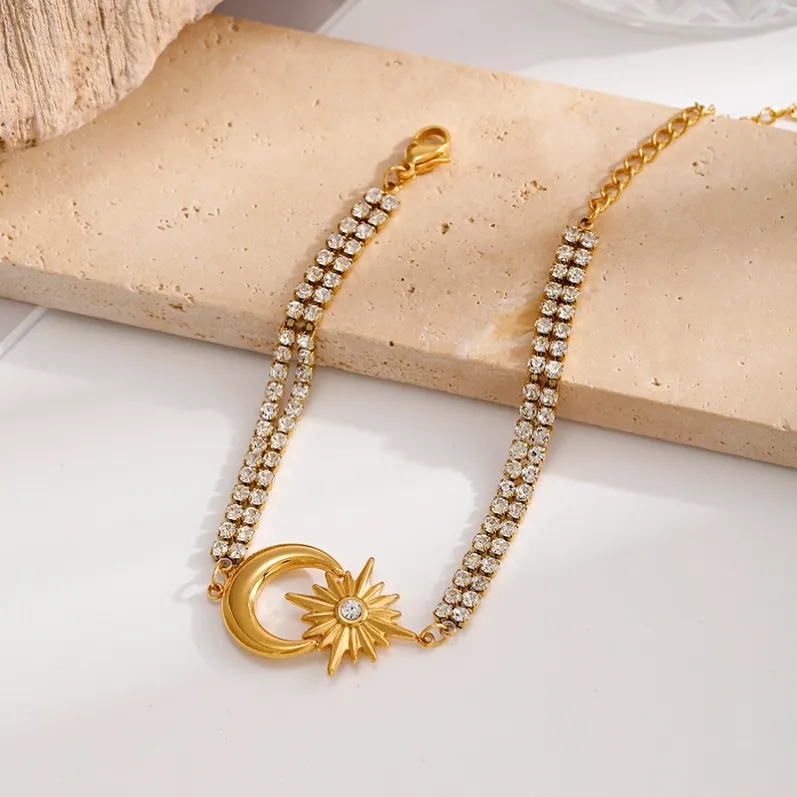
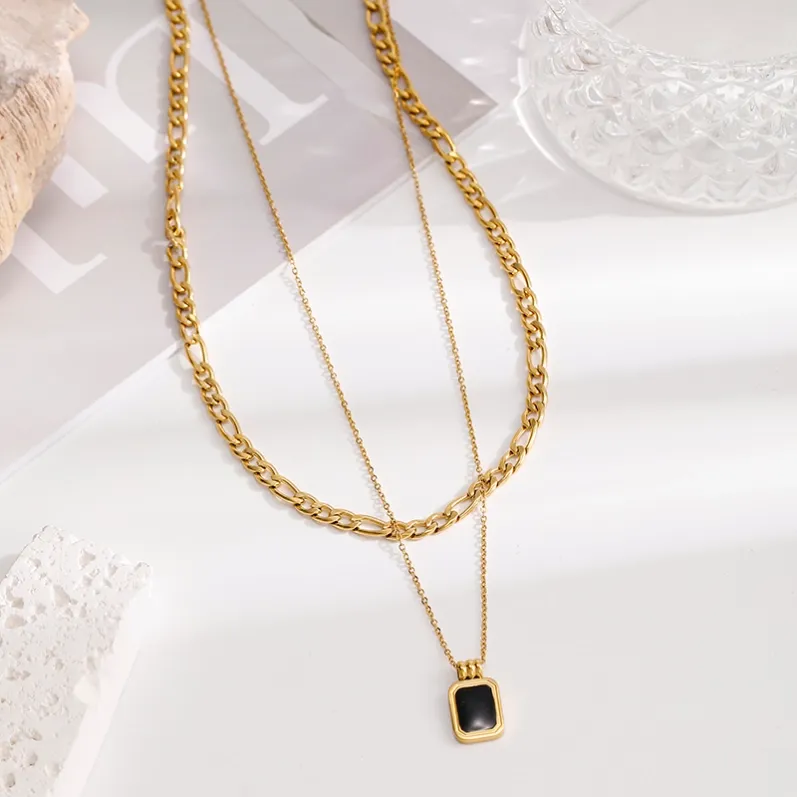
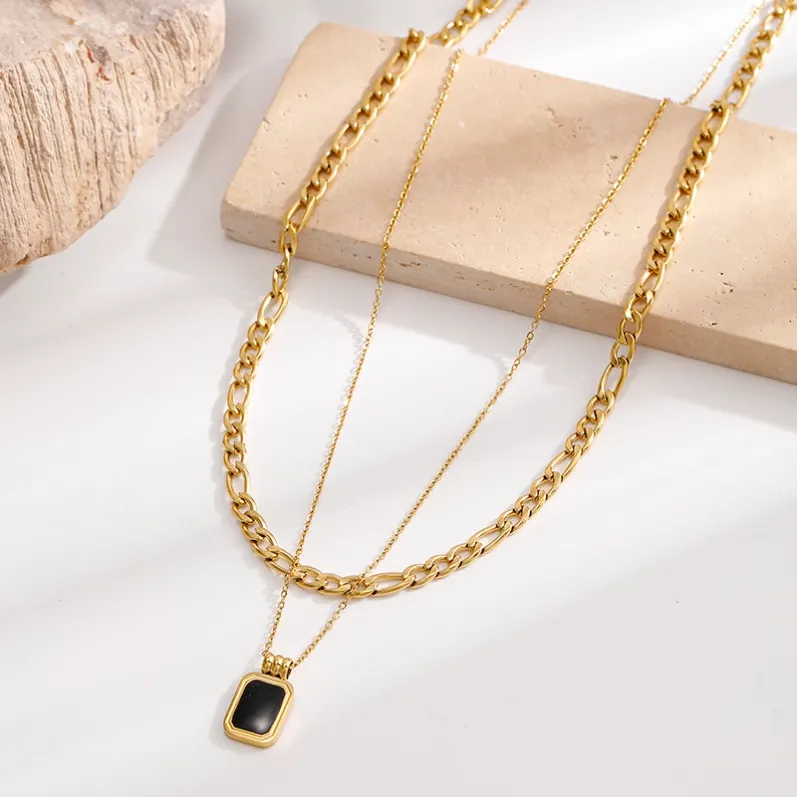
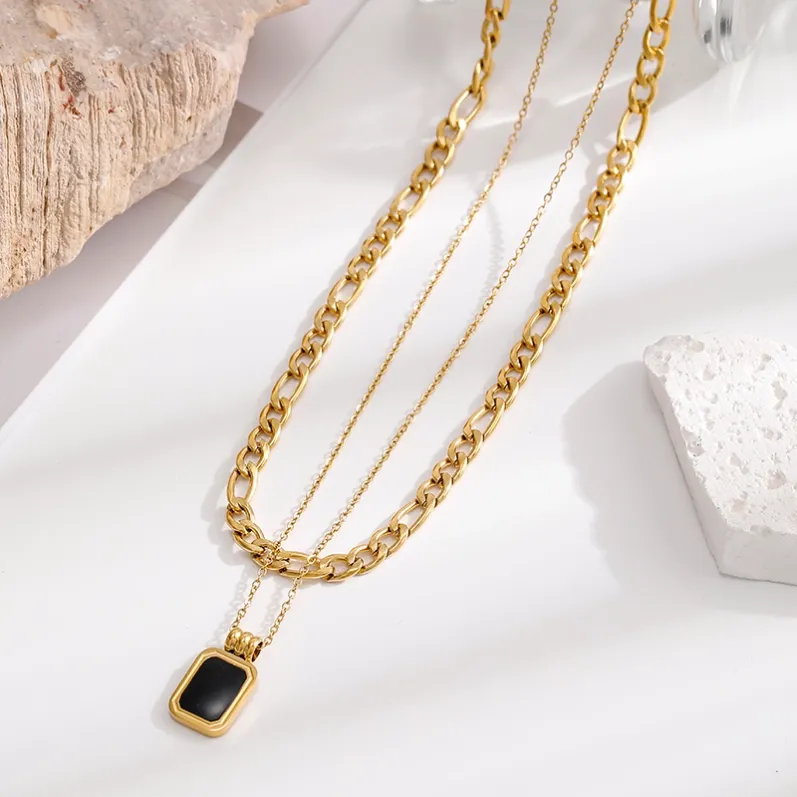
If your idea of a good trip involves lake water, trail dust, and a week without a mirror, your jewelry needs to be the low-maintenance friend in the group. Stainless steel jewelry handles outdoor adventure better than any other common jewelry metal — it shrugs off rain and sweat, survives rough handling in a packed bag, and asks for almost nothing in return.
This guide covers how 316L stainless steel behaves in real outdoor conditions, where the honest limits sit, and how to care for your pieces once the trip ends.
Why Stainless Steel Works Outdoors
The secret is a self-repairing surface: 316L stainless steel forms an invisible chromium oxide layer that protects the metal and reforms after scratches — exactly what sand, granite, and gear bags demand.
316L is a low-carbon grade of stainless steel originally engineered for marine and medical environments, and its defining feature is that protective chromium oxide skin. Scratch the surface on a rock, a carabiner, or a zipper, and the layer rebuilds itself the moment air touches the metal, so a scuff from the trail never turns into rust a month later.
Here is how the common options compare in the field:
Material | Rain and sweat | Swimming | Salt water | Practicality for travel |
|---|---|---|---|---|
316L stainless steel | Unaffected | Fine, rinse after pools | Fine, rinse after | Wear it and forget it |
Sterling silver | Tarnishes fast | Discoloration risk | Tarnishes quickly | Needs a polishing cloth |
Thin plated metals | Finish wears off | Chlorine attacks plating | Salt accelerates wear | Best left at home |
Fashion alloys | May discolor skin | Corrosion risk | Corrodes quickly | Not worth packing |
Water: Rain, Lakes, Pools, and the Sea
Water itself never hurts stainless steel — the habit that matters is rinsing off chlorine, salt, and grit afterward so nothing dries onto the surface.
Rain on a summit, a plunge into a lake, an unplanned soak under a waterfall: plain water simply beads off stainless steel and evaporates. Unlike silver, it does not tarnish when it gets wet and stays wet all day, which is why so many travelers treat it as wear-through-everything jewelry. Chlorine and salt are a different story — not because they attack 316L quickly, but because letting them dry on the surface leaves a mineral film that dulls the polish over time. A ten-second rinse in fresh water after a swim brings the surface back to exactly as it was, and a towel dry finishes the job. For a deeper material-by-material comparison, see our guide to what jewelry doesn't tarnish.
Sweat, Sunscreen, and Sand
Sweat does not damage 316L at all — sunscreen and sand are the real culprits, because one leaves a waxy film and the other grinds at the polish.
Hiking in warm weather means a steady layer of sweat on every surface you are wearing, jewelry included. Stainless steel is completely indifferent to it; there is nothing in perspiration that corrodes the alloy or clouds the finish. Sunscreen is messier: sprays and creams leave a waxy residue that settles into chain links and around bezel edges, and that residue grabs grit and dust until the shine looks tired. The fix is sequencing, not avoidance — apply sunscreen, let it absorb and dry, then put your jewelry back on. Sand is effectively a fine abrasive, so a ring worn while scrambling over rock or playing beach volleyball collects grit that micro-scratches the polish. That kind of wear is cosmetic rather than structural, and a proper wash restores the look.
PVD 18K Gold Plated Pieces on the Trail
PVD 18K gold plated stainless steel handles outdoor life far better than soft plated metals, but it is still a surface finish — years of abrasion will gradually show at edges and high-contact points.
PVD (physical vapor deposition) bonds the PVD 18K gold plated finish to the steel at a molecular level, making it dramatically harder and more wear-resistant than traditional electroplating. On a hike, that means sweat, rain, and sunscreen will not strip the finish the way they strip cheap plated jewelry from a mall kiosk. The honest caveat: PVD is tough, not invincible. Repeated scraping against rough rock, constant rubbing under a backpack strap, or years of daily wear will eventually produce fine wear lines where the finish sits thinnest at edges and ridges. If a piece matters to you, give it a rest day on the most abrasive itineraries. We walk through the science and its real limits in our PVD coating explainer.
Choosing Pieces for the Trip
For adventure travel, favor smooth profiles, secure clasps, and pieces you will genuinely enjoy wearing every day — jewelry you pack away "for evenings" rarely gets worn at all.
The best adventure jewelry is the piece you never have to think about once it is on.
Trip type | Wears well | Think twice about |
|---|---|---|
Hiking and climbing | Plain bands, small studs, slim chains with lobster clasps | Large prongs, long pendants, loose charm bracelets |
Beach and water trips | Polished rings, chain anklets, sealed-lock chains | Anything on a fabric or leather cord |
Camping and van life | One steel set worn the entire week | Nothing, honestly — that is the point |
City-to-trail itineraries | PVD 18K gold plated pieces for dinners out | Bringing a box of delicate pieces in one bag |
Two details matter more than design: a clasp that closes positively, and a profile without sharp prongs that snag pack straps.
After the Adventure: A Two-Minute Routine
Rinse, wash with mild soap and warm water, dry with a soft cloth — that is the entire post-trip ritual stainless steel requires.
The evening you get home, give each piece two minutes. Rinse it under the tap, wash it with mild soap and a soft toothbrush to lift sunscreen and grit out of the links, and dry it thoroughly, including the underside of rings where moisture likes to hide. Store pieces separately when you pack them away so they cannot scratch each other in a toiletry bag. That is the whole routine — no special solutions, no polishing session, no jeweler visit. For pieces that have already gone dull from film and grime, our step-by-step guide to cleaning dulled stainless steel covers how to bring the polish all the way back.
Frequently Asked Questions
Quick answers to the questions adventurers ask most about wearing jewelry on the move.
Can I wear stainless steel jewelry in the ocean?
Yes. 316L stainless steel stands up to salt water without corroding or tarnishing, so a full week of swimming will not damage the metal. The only recommended habit is a quick rinse in fresh water afterwards, because dried salt leaves a mineral film that dulls the surface over time. Rinse, towel dry, and the piece looks exactly as it did before the trip.
Will sunscreen damage stainless steel jewelry?
Sunscreen does not corrode 316L steel, but the waxy film it leaves behind collects in chain links and around stone settings, where it dulls the finish and traps grit. Let sunscreen absorb fully before putting jewelry on, and wash pieces with mild soap after heavy sunscreen days. That combination keeps both bare steel and PVD 18K gold plated finishes looking new.
Is stainless steel jewelry good for long trips?
It is arguably the best choice for long trips. You can wear the same pieces for weeks through showers, humidity, and temperature swings without tarnish or corrosion, and nothing in a packed bag will crush or bend them. Pack a travel soap leaf and a small brush, and your entire jewelry care routine fits into two minutes at the end of the day.
Does a PVD 18K gold plated finish survive hiking and camping?
For normal trail use, yes — sweat, rain, and sunscreen will not lift a properly applied PVD finish. The honest limit is abrasion over time: constant rubbing against straps, rock, or sand eventually produces fine wear at edges and contact points after years of heavy use. Rotate pieces on the most abrasive trips and the finish will serve you for a very long time.
Can I shower every day while wearing stainless steel jewelry?
Yes — daily showers are one of the main reasons people choose stainless steel for travel and everyday wear in the first place. Plain water and regular soap do not harm 316L steel at all. Just dry the pieces properly afterwards, because trapped moisture under a ring can leave water spots on the surface. Those spots are cosmetic only, and easy to prevent.
Wholesale Stainless Steel Jewelry from IVANDA
Looking for a reliable stainless steel jewelry supplier? IVANDA supplies 316L pieces with PVD 18K gold plating - waterproof, skin-friendly and made for everyday wear. MOQ 60 pcs per style, in stock and ready to ship, with OEM/ODM services for custom designs. Message us on WhatsApp or email sales01@ivanda-fa.com for the latest catalog and wholesale prices.