Oct 21, 2026
Stainless Steel Jewelry for Nurses: Hygiene Guide
A practical guide to stainless steel jewelry for nurses and healthcare workers, covering hygiene, comfort, durability, and workplace styling.
Stainless steel jewelry for nurses should be easy to clean, comfortable during long shifts, and simple enough to stay out of the way during practical work. A beautiful piece is not useful if it catches on gloves, complicates hand hygiene, or becomes uncomfortable by the end of a busy day. The best choice is a balance of low-profile design, sensible wear habits, and a care routine that fits the workplace.
Workplace rules always come first. A hospital, clinic, laboratory, or care facility may restrict rings, bracelets, watches, earrings, or necklaces in certain areas. Follow local infection-control procedures and supervisor guidance before choosing what to wear. This article focuses on everyday product selection and care, not on replacing workplace policy.
Why Stainless Steel Jewelry Works for Shift-Based Styling
Takeaway: Stainless steel is useful for workwear because it supports clean, practical designs without requiring a delicate styling routine.
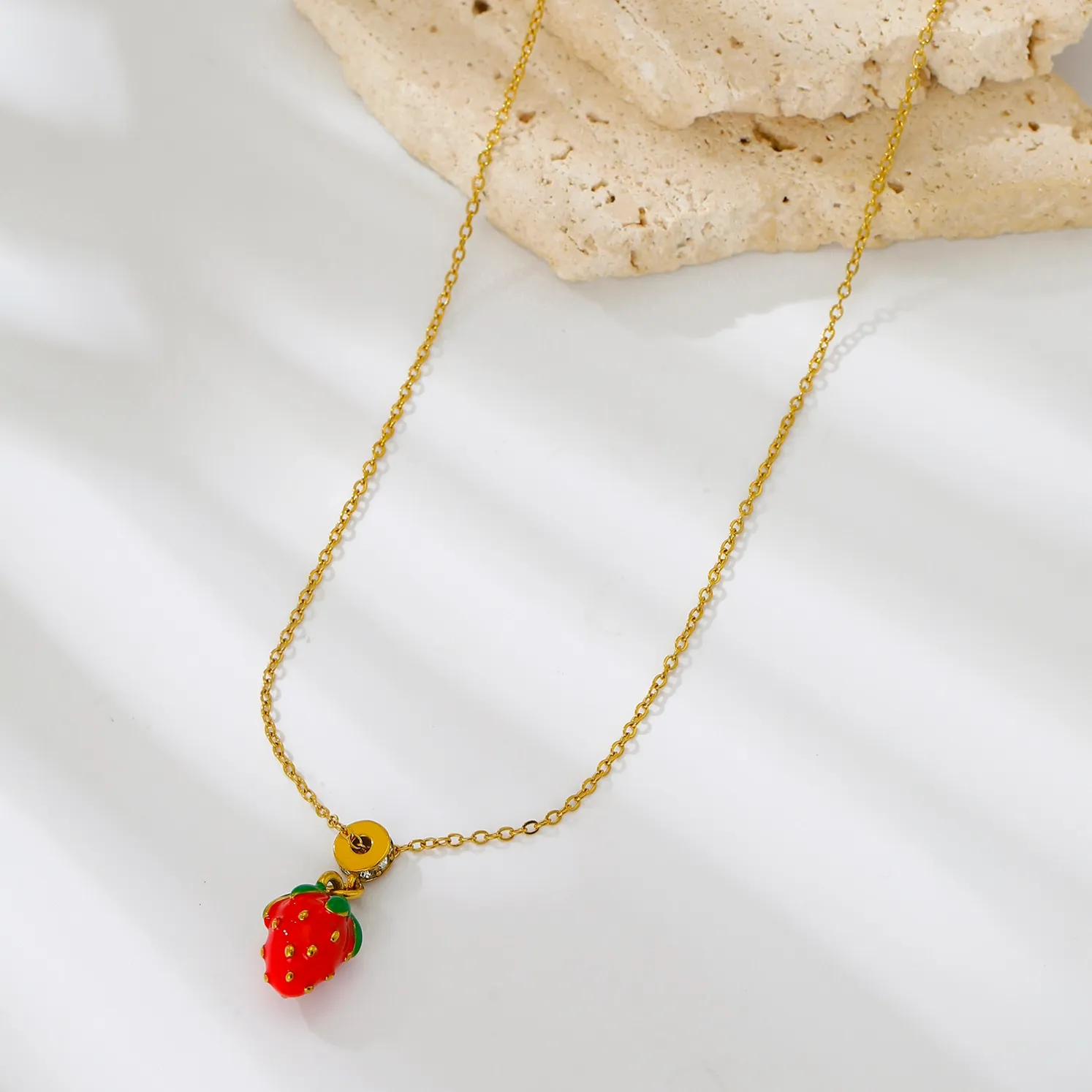
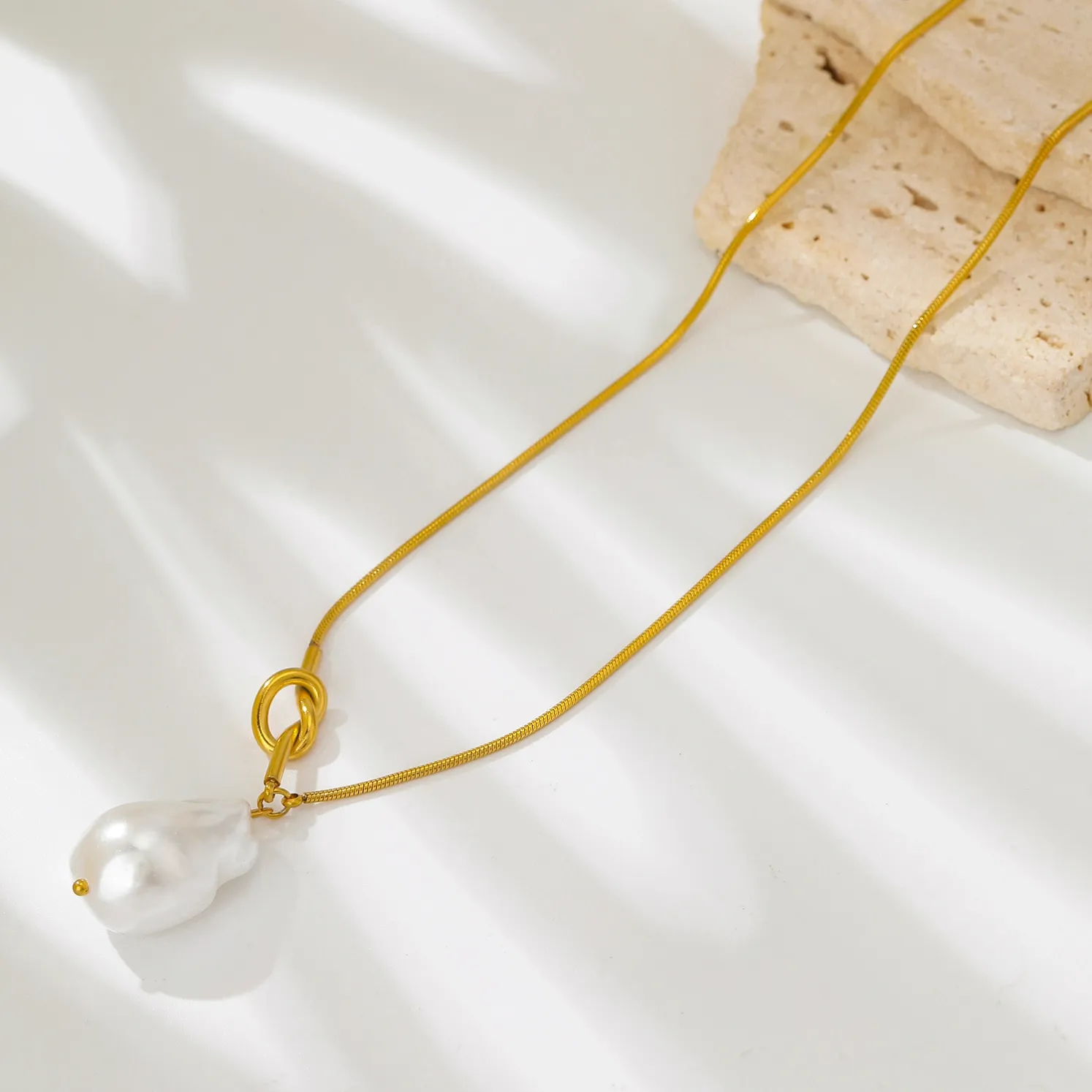
Healthcare workers often need accessories that can handle movement, repeated hand washing, and changes between clinical and non-clinical tasks. Stainless steel jewelry can suit that lifestyle when the design is smooth, secure, and easy to wipe. A small hoop, close-fitting stud, slim pendant, or low-profile ring is often more practical than a large piece with open details.
Material alone does not determine workplace suitability. A chain with many narrow links may be harder to clean than a simple pendant. A wide ring can interfere with gloves more than a slim band. A dangling earring can be less suitable for a particular unit even if the metal itself is straightforward to care for.
For a daily-wear perspective, is IVANDA jewelry suitable for everyday wear offers a useful way to think about product finish, design, and routine rather than relying on a single material label.
Choose Low-Profile Designs for Clinical Work
Takeaway: The safest starting point is a smooth, secure, low-profile design that does not create unnecessary contact points or snag opportunities.
Before choosing a piece for a shift, ask how it behaves when you move quickly, pull on gloves, lean over a patient, or clean equipment. Practical designs usually have fewer loose parts and a closure that stays flat against the body.
Jewelry type | Work-friendly features to look for | Practical caution |
|---|---|---|
Stud earrings | Small profile, secure back, smooth front | Check unit rules and keep backs secure |
Small hoops | Close-fitting shape, smooth surface | Avoid oversized hoops where they may catch |
Pendant necklace | Short to moderate chain, compact pendant | Remove if the workplace restricts necklaces |
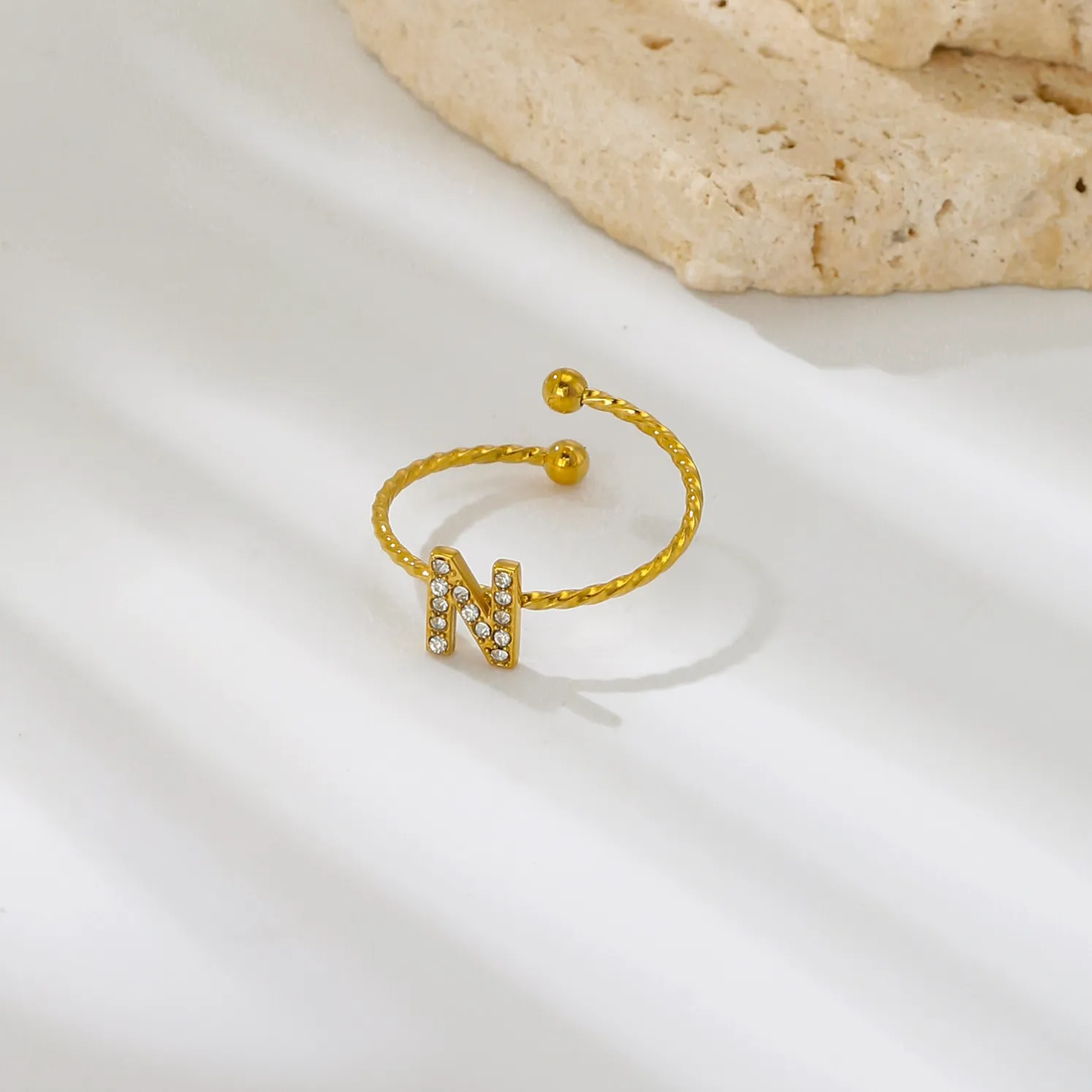
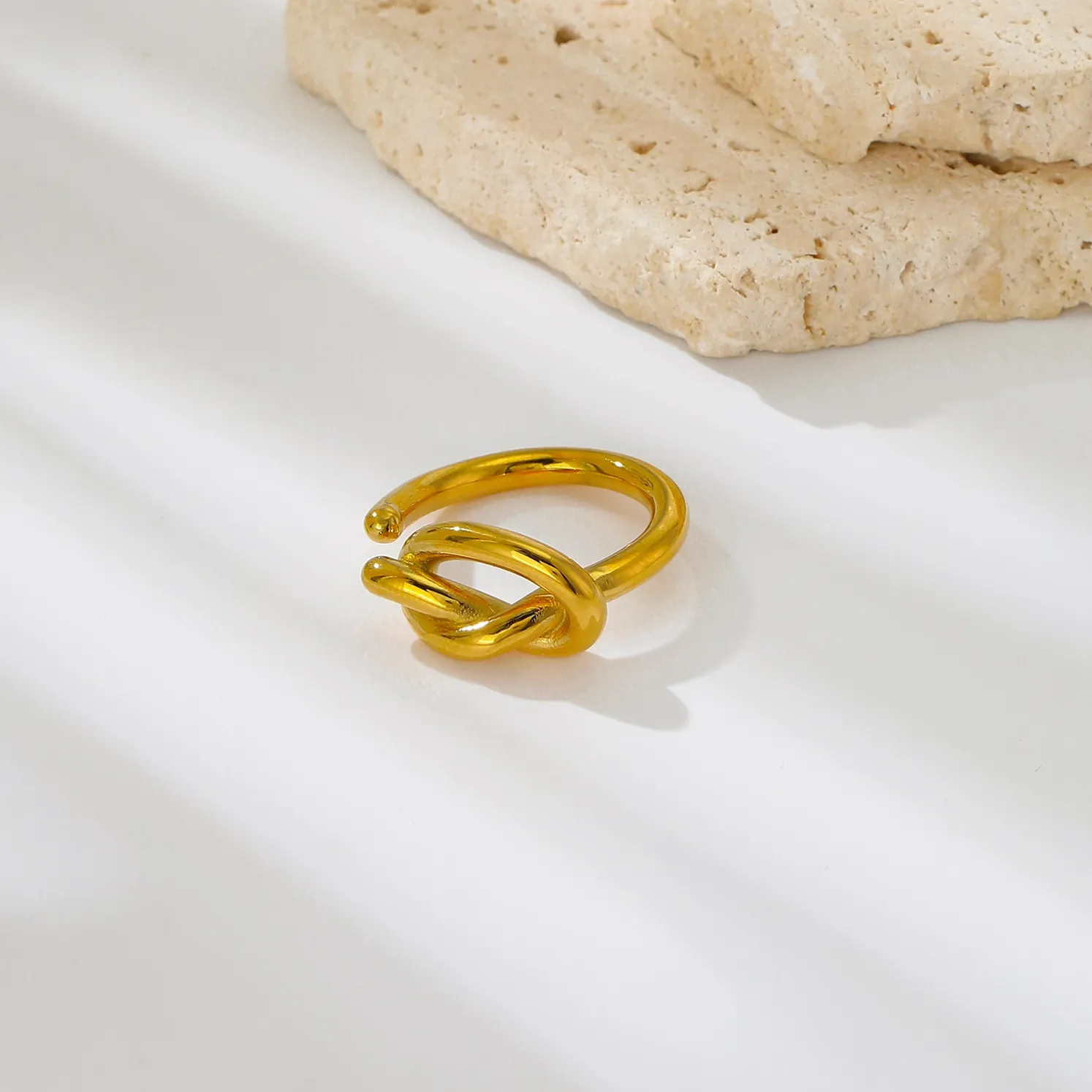
Slim ring | Smooth band, comfortable interior | Hand and glove procedures may require removal |
Bracelet | Minimal profile, secure clasp | May interfere with gloves, sleeves, or hand hygiene |
Watch or watch-style accessory | Easy-to-clean surface and fit | Follow the facility's policy before wearing |
A useful rule is to choose one small focal piece rather than several layered accessories. This keeps the styling polished while making the care routine easier to manage.
Hygiene Starts with the Wear Decision
Takeaway: The cleanest jewelry routine begins by removing a piece when policy, task, or hand hygiene makes wearing it unsuitable.
Jewelry can create small spaces around surfaces, closures, and skin where residue may collect. Nurses and healthcare workers should follow the facility's specific instructions about hand and wrist accessories. If a task requires bare wrists or a piece interferes with gloves, remove it before beginning the task and store it in a clean, closed container.
Do not treat “easy to clean” as permission to wear jewelry in every clinical setting. The workplace determines the acceptable practice. Jewelry that is appropriate for commuting or an office-based role may not be appropriate for a treatment area, sterile procedure, laboratory, or food-handling environment.
At home or during personal time, clean the piece according to its finish. A soft cloth can remove light residue from smooth stainless steel. For a more thorough clean, use mild soap and lukewarm water only when the product instructions allow it, then rinse away soap and dry every surface, including around the clasp or earring back.
Consider Earrings and Backs Carefully
Takeaway: Earrings should be secure, smooth, and proportionate to the work environment, with a back that can be checked quickly.
Small studs and close-fitting hoops are often easier to manage than long, swinging earrings. Check that the front does not have sharp edges and that the back sits securely without pressing uncomfortably. If you change earrings after a shift, keep a small pouch or case so the piece does not touch loose items in a bag.
The closure matters because a secure front is only useful if the back is reliable. Compare screw backs, push backs, lever backs, and other options in this earring back types guide. The right choice depends on the earring design, the wearer's comfort, and how often the piece is handled.
Avoid sleeping in work earrings if the post or back causes pressure. A piece that feels fine for a short shift can become irritating after many hours, especially when combined with a headset, mask loops, or protective equipment.
Rings, Bracelets, and Hand Hygiene
Takeaway: Hand and wrist jewelry needs the strictest workplace review because it can affect glove use, washing, and contact with surfaces.
Rings and bracelets are visually appealing but can be less practical in hands-on care. A ring with a smooth, narrow profile is easier to manage than a raised setting or open texture, but the facility may still require removal. Bracelets can catch on cuffs, equipment, and gloves, and a chain bracelet may be difficult to keep from moving during a shift.
If you wear a ring outside clinical tasks, inspect the underside and edges when you clean it. Residue can collect under a raised detail or between a textured surface and the skin. A soft brush used gently may help with appropriate designs, but avoid abrasive tools that can mark polished surfaces or weaken a finish.
When a piece has a PVD 18K gold plated surface, clean it gently and remember that the color can gradually wear with years of friction. Do not use a plated finish as a reason to skip workplace procedures. The base material and the surface treatment both deserve clear care instructions.
Comfort for Long Shifts
Takeaway: A comfortable work accessory should disappear into the routine rather than demand attention throughout the shift.
Long shifts make small fit problems obvious. Before committing to a new piece, wear it during a normal day and check for pressure, snagging, movement, and irritation from nearby equipment. Consider whether the jewelry conflicts with masks, glasses, hair, collars, sleeves, or protective clothing.
Helpful comfort checks include:
- Can you put on and remove required protective equipment without catching the piece?
- Does the earring or necklace move when you bend, turn, or lean?
- Does a ring feel tight after your hands warm up?
- Does a bracelet sit under or over the cuff in a way that affects movement?
- Can you remove the item quickly if the task requires it?
- Is the closure easy to inspect without touching it repeatedly?
A simple design is not boring. Small polished hoops, a slim bar, a compact pendant, or a smooth band can look professional while supporting a low-maintenance routine.
Frequently Asked Questions
Is stainless steel jewelry suitable for nurses?
It can be suitable for off-duty wear and some healthcare workplaces when the design is smooth, secure, comfortable, and allowed by local policy. Suitability depends on the setting and task, not only the metal. Always follow infection-control guidance, remove jewelry when required, and choose pieces that do not interfere with gloves or protective equipment.
What jewelry is most practical for a nurse's workday?
Small studs, close-fitting hoops, and simple low-profile pieces are practical starting points for settings that allow jewelry. Avoid dangling designs, sharp edges, and complicated surfaces that are difficult to manage. Rings and bracelets need extra review because they can affect hand hygiene, gloves, cuffs, and movement during hands-on care.
How should healthcare workers clean stainless steel jewelry?
Wipe the piece with a soft clean cloth after wear. If the product instructions allow, use mild soap and lukewarm water for visible residue, rinse thoroughly, and dry every surface. Pay attention to closures and backs. Avoid abrasive tools and strong cleaners, especially on polished, textured, or PVD 18K gold plated surfaces.
Can nurses wear rings and bracelets with gloves?
That depends on the workplace policy, task, and glove procedure. A smooth ring or slim bracelet may still be restricted, and a piece can interfere with a proper fit or movement. Do not assume a low-profile design is automatically acceptable. Ask the supervisor or follow the facility's written infection-control guidance.
Does PVD 18K gold plated jewelry work for healthcare workers?
It can be appropriate for off-duty or permitted settings when cared for gently, but PVD is a surface finish and may gradually wear with years of friction. The workplace must still allow the item. Remove it when required, keep it away from harsh cleaners, and describe the plated finish accurately when selecting or selling it.
Wholesale Stainless Steel Jewelry from IVANDA
Takeaway: A focused collection of smooth, secure styles helps retailers serve healthcare workers without making unsupported workplace promises.
Looking for a reliable stainless steel jewelry supplier? IVANDA supplies stainless steel jewelry in practical everyday styles, including polished and PVD 18K gold plated options, with in-stock designs and OEM/ODM services for custom collections. MOQ 60 pcs per style. Message us on WhatsApp or email sales01@ivanda-fa.com for the latest catalog and wholesale prices.