Oct 23, 2026
Stainless Steel Jewelry vs Plastic: Why Quality Matters
Stainless steel vs plastic jewelry compared: durability, sweat resistance, color retention, comfort and which material deserves your money.
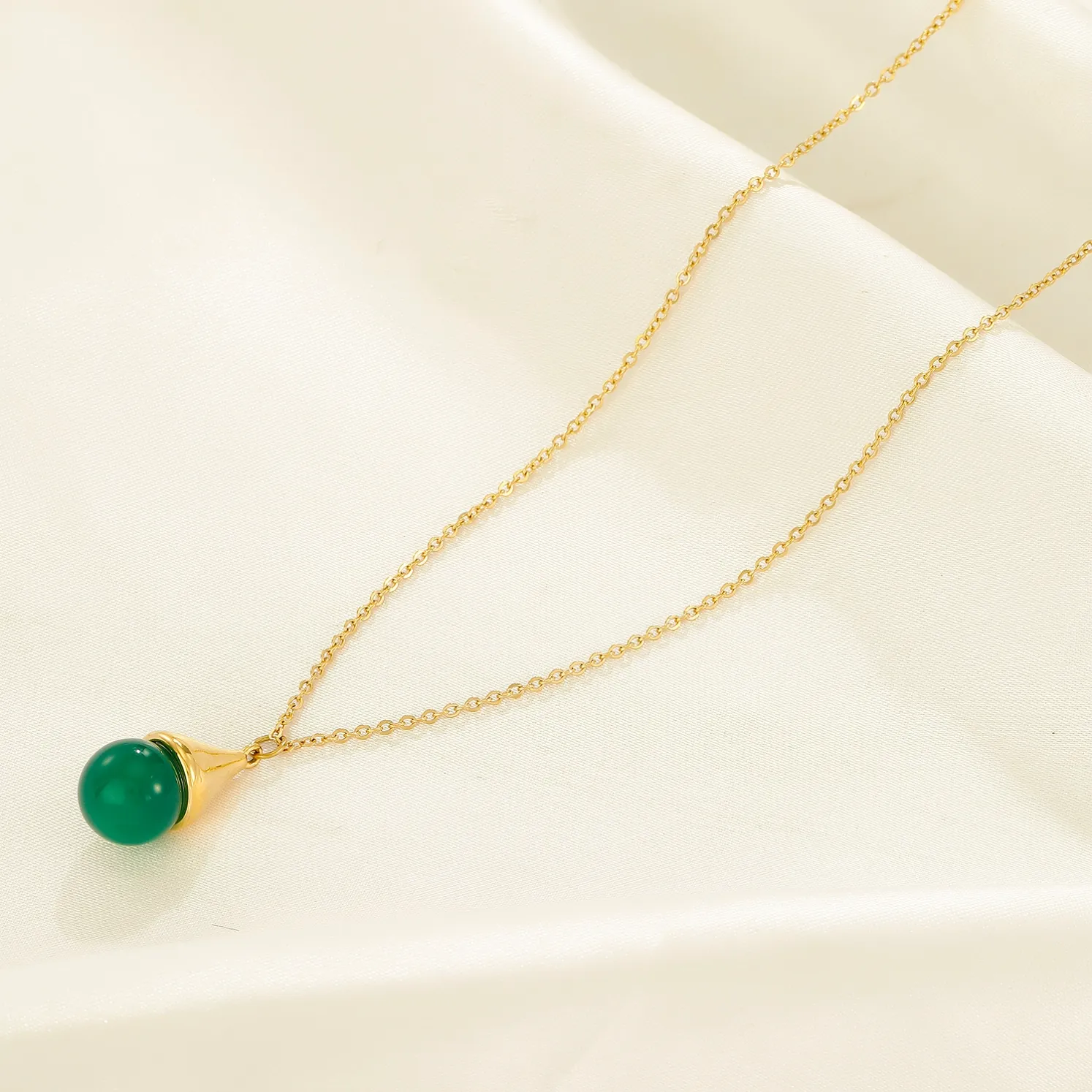
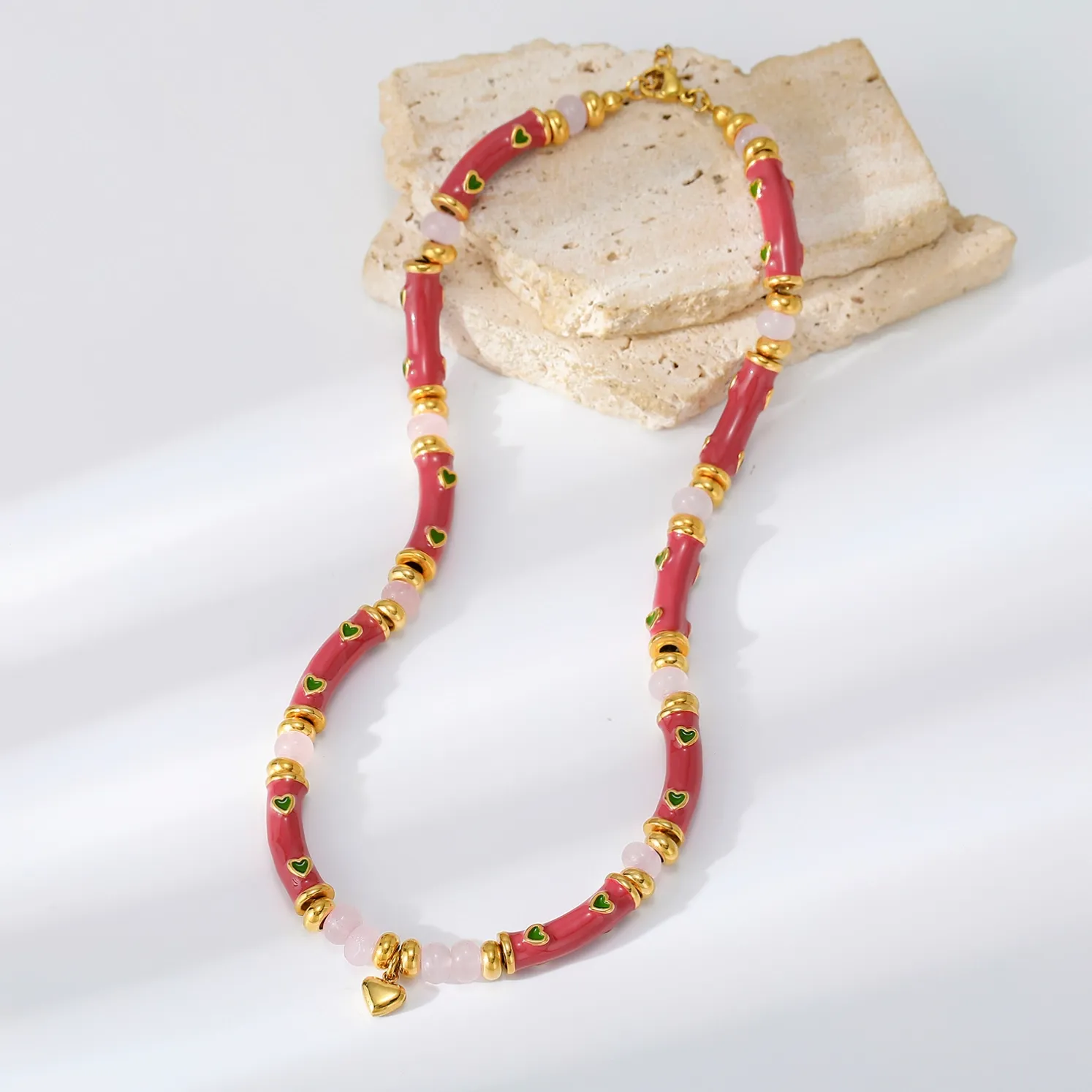
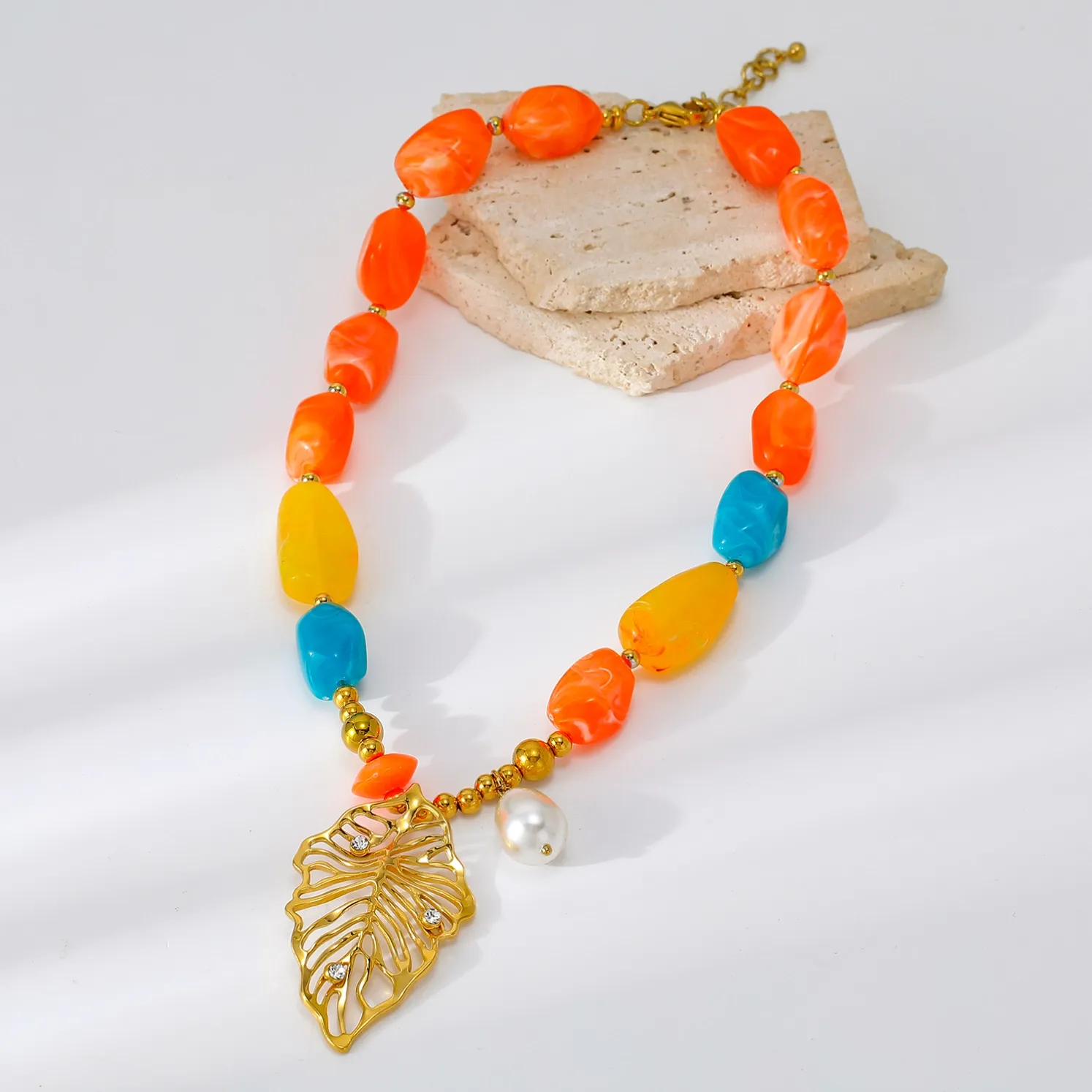
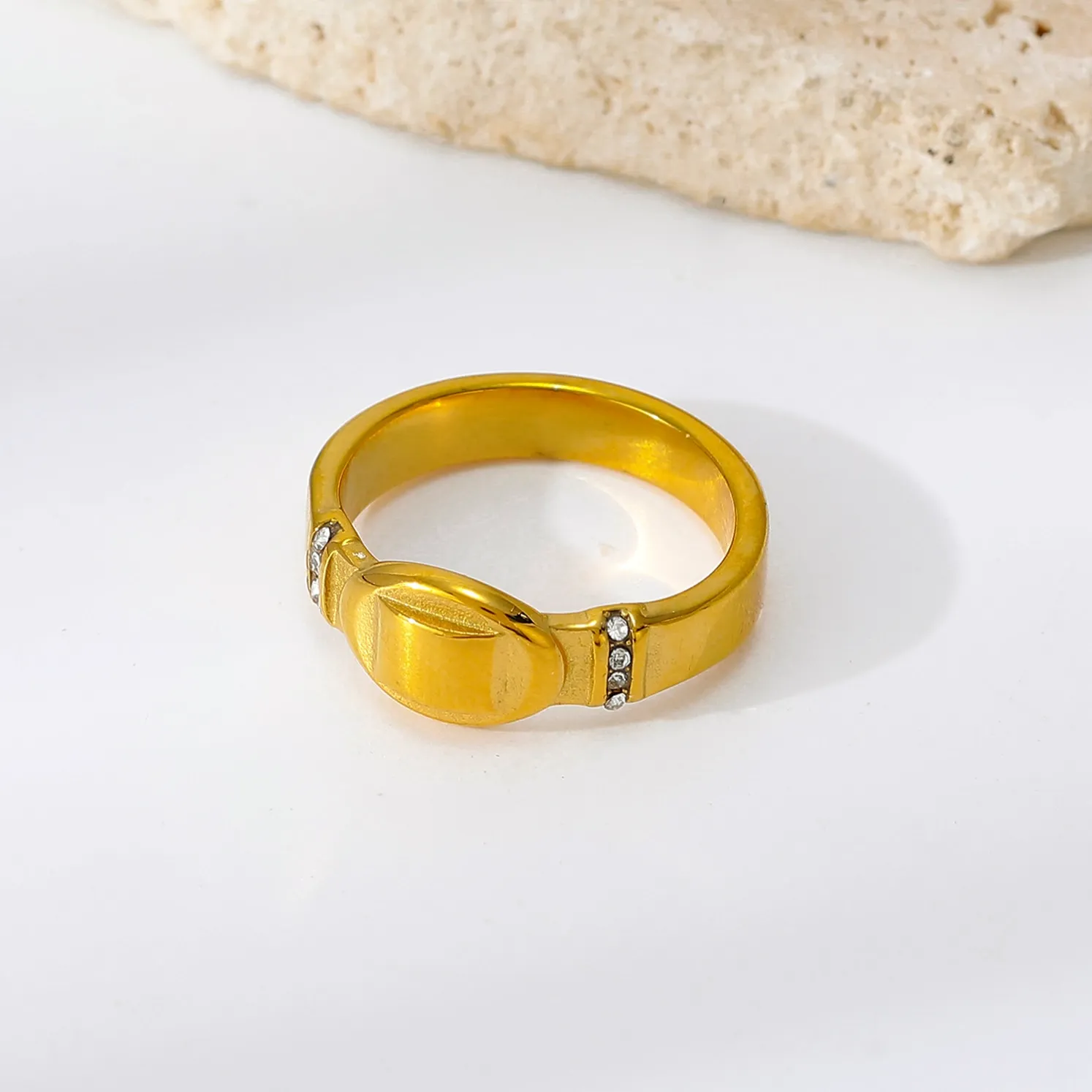
When you compare stainless steel vs plastic jewelry, the honest scorecard is lopsided: plastic wins on weight and low upfront cost, while stainless steel wins on durability, water resistance, color retention and how the piece looks after a year of real wear.
Jewelry shoppers meet plastic more often than they realize: acrylic hoops, resin pendants, silicone bands and coated fashion chains dominate fast-fashion racks. Stainless steel, by contrast, is designed to be worn daily for years. This guide compares the two materials across what actually matters once the jewelry leaves the store: durability, water and sweat, color, comfort and long-term value.
What Counts as "Plastic" Jewelry?
"Plastic" covers several different materials, and each fails differently — acrylic scratches, resin yellows and silicone stretches, while stainless steel handles all three failure modes at once.
- Acrylic — lightweight and colorful, common in statement earrings. It scratches easily and can snap when dropped.
- Resin — poured into molds, often with flowers or glitter inside. Popular for pendants, prone to yellowing and surface clouding.
- Silicone — flexible and rubbery, common in bands. Comfortable, but it attracts lint, stretches out and holds odors.
- PVC and coated plastics — used in budget chains. The coating flakes and exposes the base underneath.
None are bad materials — they are simply built for a shorter lifespan than a daily-wear metal.
Durability Compared Side by Side
Stainless steel is the only one of these common jewelry materials that shrugs off drops, water, sweat and heat at the same time.
Property | Stainless steel (316L) | Acrylic / resin | Silicone |
|---|---|---|---|
Scratch resistance | High — daily wear rarely marks it | Low — scratches show within weeks | Flexes instead of scratching, but tears |
Drop and impact | Springs back | Can crack or snap | Survives drops but stretches out |
Water and sweat | Unaffected | Surface can cloud or dull | Handles water but traps odor |
Heat tolerance | Extremely high | Warps near heat sources | Deforms with heat |
Color over years | Holds; plated finishes wear gradually | Yellows and fades under UV light | Fades and discolors |
That last row deserves honesty: color lasts because it is either the metal itself or a bonded finish — not because the material is indestructible. Even a durable PVD 18K gold plated finish softens gradually after years of hard wear, especially at friction points. The difference: this takes years on steel, versus weeks or months on coated plastic.
Water, Sweat and the Shower Test
Plastic jewelry struggles exactly where stainless steel is strongest: repeated exposure to water, sweat and humidity.
Wear acrylic earrings through a humid summer and the surface clouds. Leave a resin pendant in a gym bag and it develops a faint smell as sweat soaks into micro-scratches. Silicone bands absorb odors and collect a gray film. Stainless steel is different: the surface is non-porous, so nothing soaks in. You can wear it in the shower, through workouts and in the rain, then towel it dry like your skin. If a steel piece has already dulled, our guide to cleaning tarnished stainless steel jewelry covers how to bring it back — plastic usually cannot be revived.
Color and Finish Over Time
Plastic fades because its color reacts to sunlight; stainless steel keeps its color because the finish is part of the metal.
UV light breaks down the pigments and polymers in acrylic and resin — once-white plastic turns yellow-brown, clear resin grows cloudy. Coatings on plastic chains flake off in patches, leaving a two-tone piece. Stainless steel's natural finish is the metal itself — there is nothing to lose. Color variants come from PVD bonding, which integrates with the surface instead of sitting on top of it. With normal care, a steel piece looks the same in year three as on day one. For a full material rundown, see our guide to jewelry that doesn't tarnish.
Weight and Feel: Where Plastic Actually Wins
Plastic's featherweight feel is a genuine advantage for oversized statement earrings — but for chains, rings and bracelets, that same lightness reads as flimsy.
A large acrylic hoop can be worn all day precisely because it weighs almost nothing; steel could not make that design comfortable. Flip the category and the advantage disappears: a plastic chain necklace moves like a toy, a plastic ring flexes and cracks, and a silicone band collects lint within hours. Steel has a cool touch and a bit of heft — the cues people associate with real jewelry — and its smooth sealed surface is skin-friendly, without the mold lines and rough seams of cast plastic.
The Long-Term Value Math
A plastic piece you replace several times a year quietly costs more than a steel piece you buy once — cost per wear is where quality materials justify themselves.
Compare lifespans rather than receipts. A fashion plastic necklace worn weekly might last one season before it fades, snaps or starts to smell — then it is replaced, and the cost and shopping trip repeat. A stainless steel necklace worn the same way is typically still in the rotation years later. Spread each purchase across the days actually worn, and steel wins even when its upfront price is several times higher. The math only breaks if you want a piece for a single event — a fair use case, covered next.
When Plastic Jewelry Makes Sense
Plastic is the right tool for one-night looks, dress-up jewelry for children, and oversized earring designs where any real weight would be unbearable.
To be fair: costume jewelry for a themed party, kids' play boxes and huge sculptural earrings all benefit from plastic's low weight and stakes. Losing an acrylic hoop is no tragedy; losing a steel piece stings. The mistake is not owning plastic — it is expecting plastic to behave like a daily-wear metal.
How to Tell Them Apart Before You Buy
Weight and temperature are the fastest tells: steel feels cool and substantial, plastic feels warm and weightless.
Test | Stainless steel | Plastic |
|---|---|---|
Touch | Feels cool on arrival, warms slowly | Feels room temperature immediately |
Weight | Noticeable heft on chains and rings | Almost weightless |
Surface | Smooth, seamless, densely polished | Visible mold lines, seams or bubbles |
Sound | Bright metallic click | Dull thud |
Labeling | Stamped or listed as 316L stainless steel | Listed as acrylic, resin or simply "alloy" |
When a listing names no metal at all, ask the seller directly — "fashion jewelry" is not a material description.
Frequently Asked Questions
Quick answers to common questions about stainless steel vs plastic jewelry.
Is stainless steel jewelry better than plastic for everyday wear?
Yes — for daily wear, stainless steel wins on every practical measure: it survives showers, sweat and friction, keeps its color for years and will not crack when dropped. Plastic remains useful for specific cases like ultra-light statement earrings or single-event costume pieces, but as an everyday material it fades, breaks and needs constant replacing.
Does stainless steel jewelry rust or tarnish the way plastic fades?
Stainless steel does not rust or tarnish under normal daily wear, because its chromium content forms a protective layer that renews itself. Color is equally stable — a PVD 18K gold plated finish softens gradually over years rather than flaking off in patches the way plastic coatings do. Only harsh chemicals or years of hard friction will noticeably dull a steel piece.
Can you shower with plastic jewelry the way you can with stainless steel?
You can, but plastic will not last through it. Hot water and steam cloud acrylic, weaken resin and push silicone toward odor and discoloration. Stainless steel is non-porous, so water rolls off without effect — shower with it, towel it dry and move on. If a piece must live through daily showers, steel is the safer choice.
Why does plastic jewelry start to smell over time?
Plastic develops odor because its surface scratches at a microscopic level, and sweat, skin oils and bacteria settle into those grooves where normal cleaning cannot fully reach them. Silicone absorbs smells directly. Stainless steel's smoother, non-porous surface gives bacteria nowhere to hide, so a quick wash removes most residue and the piece stays neutral even after workouts.
Which material is better for sensitive skin?
Stainless steel is the dependable everyday choice. Its sealed, non-porous surface is smooth and skin-friendly, and it does not flake or shed particles the way coated plastics do when they break down. Plastic earrings can also trap sweat and soap against a piercing, which invites irritation. For reactive skin, polished steel with no rough edges is the comfortable default.
Wholesale Stainless Steel Jewelry from IVANDA
Looking for a reliable stainless steel jewelry supplier? IVANDA supplies 316L pieces with PVD 18K gold plating - waterproof, skin-friendly and made for everyday wear. MOQ 60 pcs per style, in stock and ready to ship, with OEM/ODM services for custom designs. Message us on WhatsApp or email sales01@ivanda-fa.com for the latest catalog and wholesale prices.