Oct 21, 2026
Stainless Steel vs Ceramic Jewelry: Pros and Cons
Compare stainless steel vs ceramic jewelry for durability, comfort, style, care, and everyday wear before choosing a material for your collection.
Stainless steel vs ceramic jewelry is not a contest with one universal winner: steel favors versatility and impact tolerance, while ceramic offers a light, smooth feel and a distinctive modern look. The better choice depends on the design, the way the piece will be worn, and how much repair flexibility matters to you.
Both materials appear in rings, bracelets, pendants, earrings, and watch-style accessories. They can look polished, matte, dark, or colored, but their behavior is different. Stainless steel is a metal alloy that can be shaped, finished, and repaired in familiar ways. Jewelry ceramic is a dense, non-metal material designed for a smooth surface and strong scratch resistance, yet it can be less forgiving when hit against a hard edge.
This guide compares the practical details without treating either material as indestructible. If you are still deciding among metals, our guide to what jewelry doesn't tarnish: material guide offers useful background.
What is stainless steel jewelry?
Takeaway: Stainless steel is a flexible jewelry material with broad design and finish options.
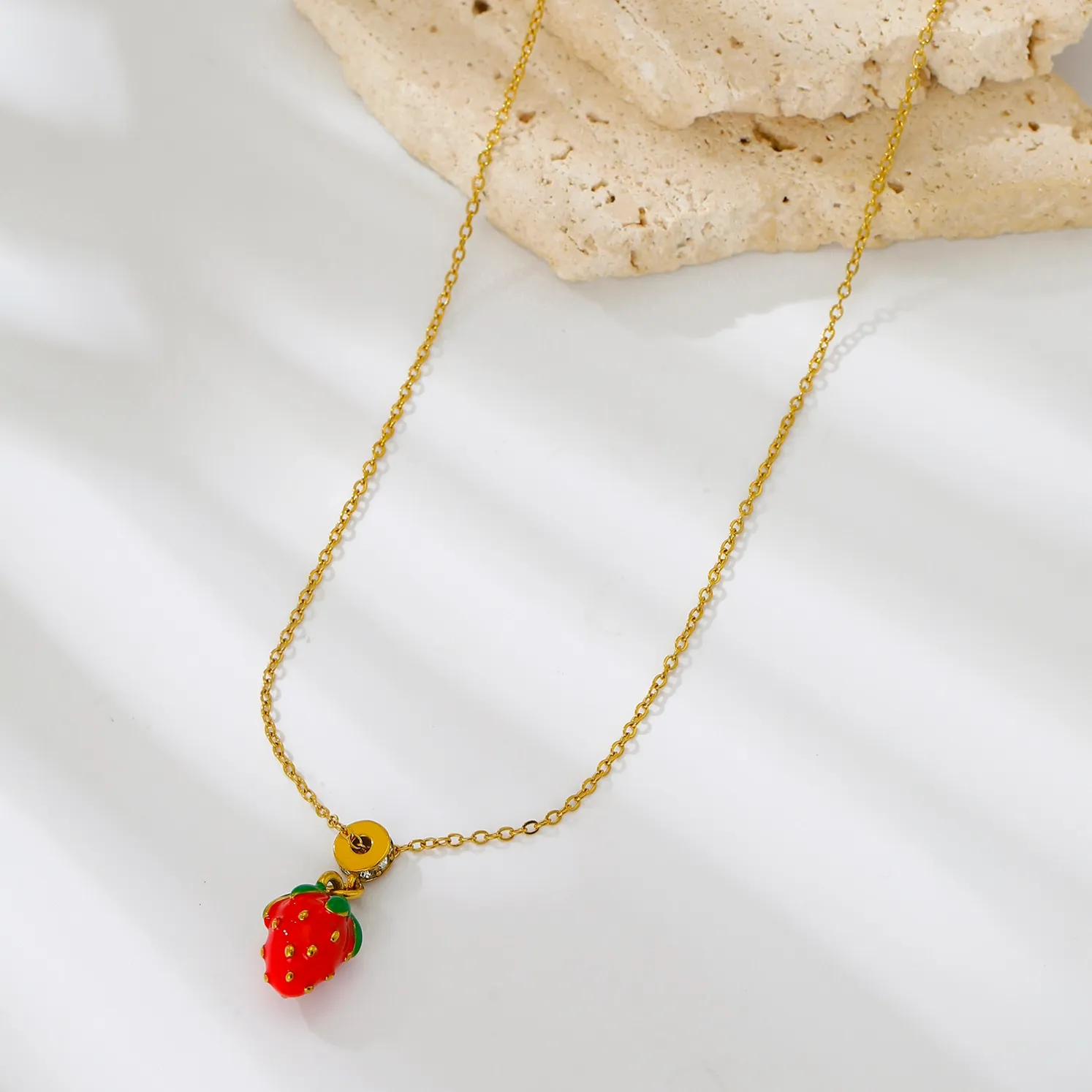
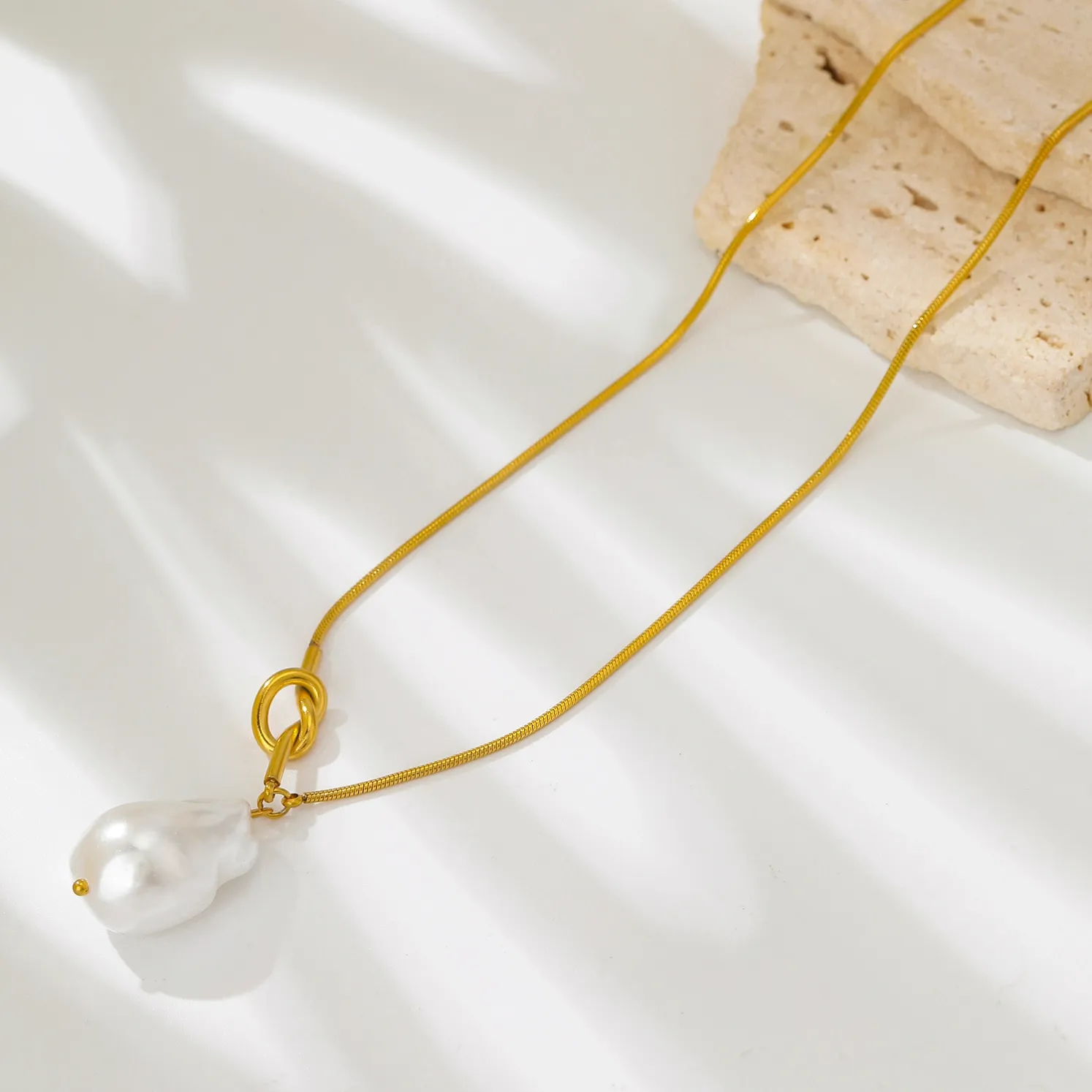
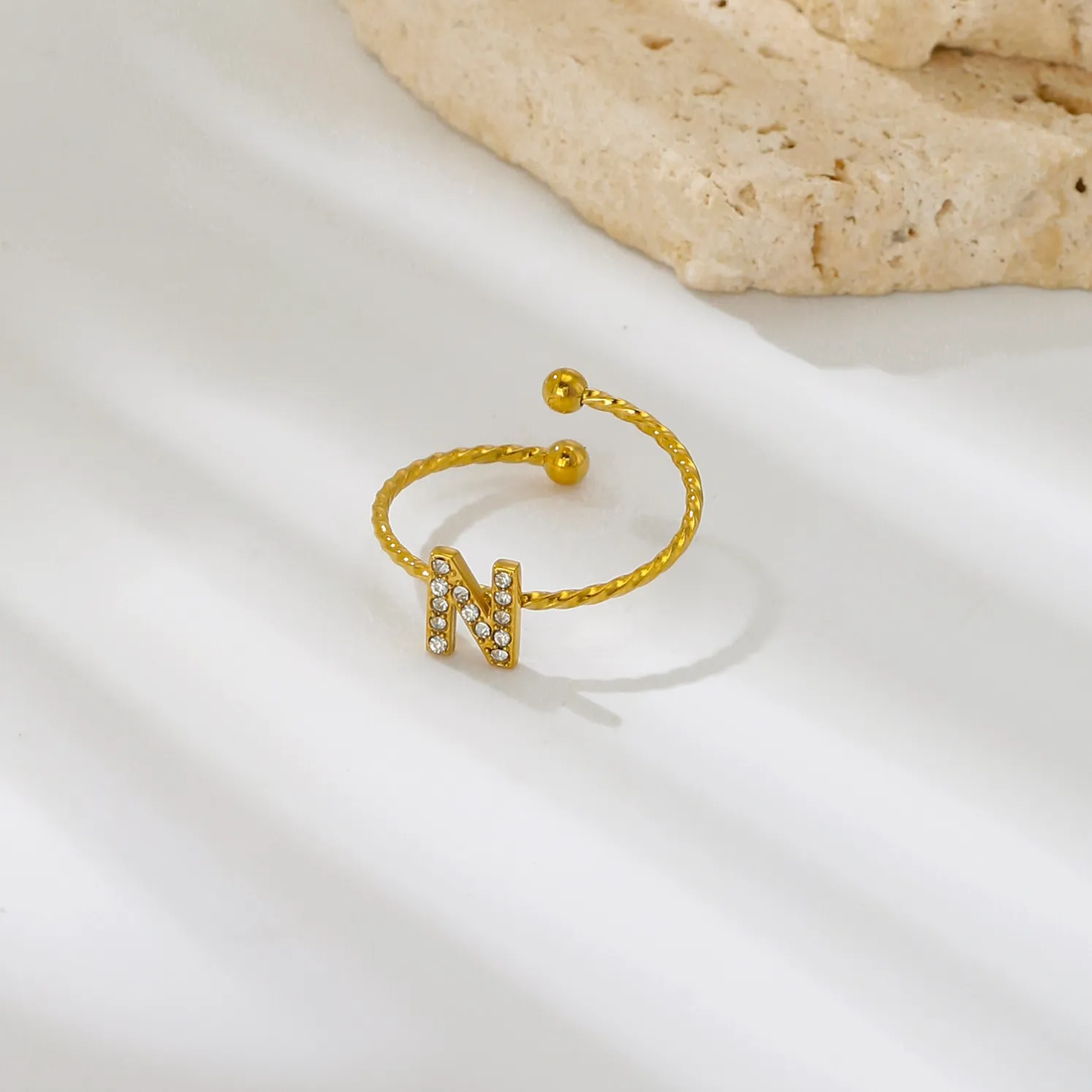
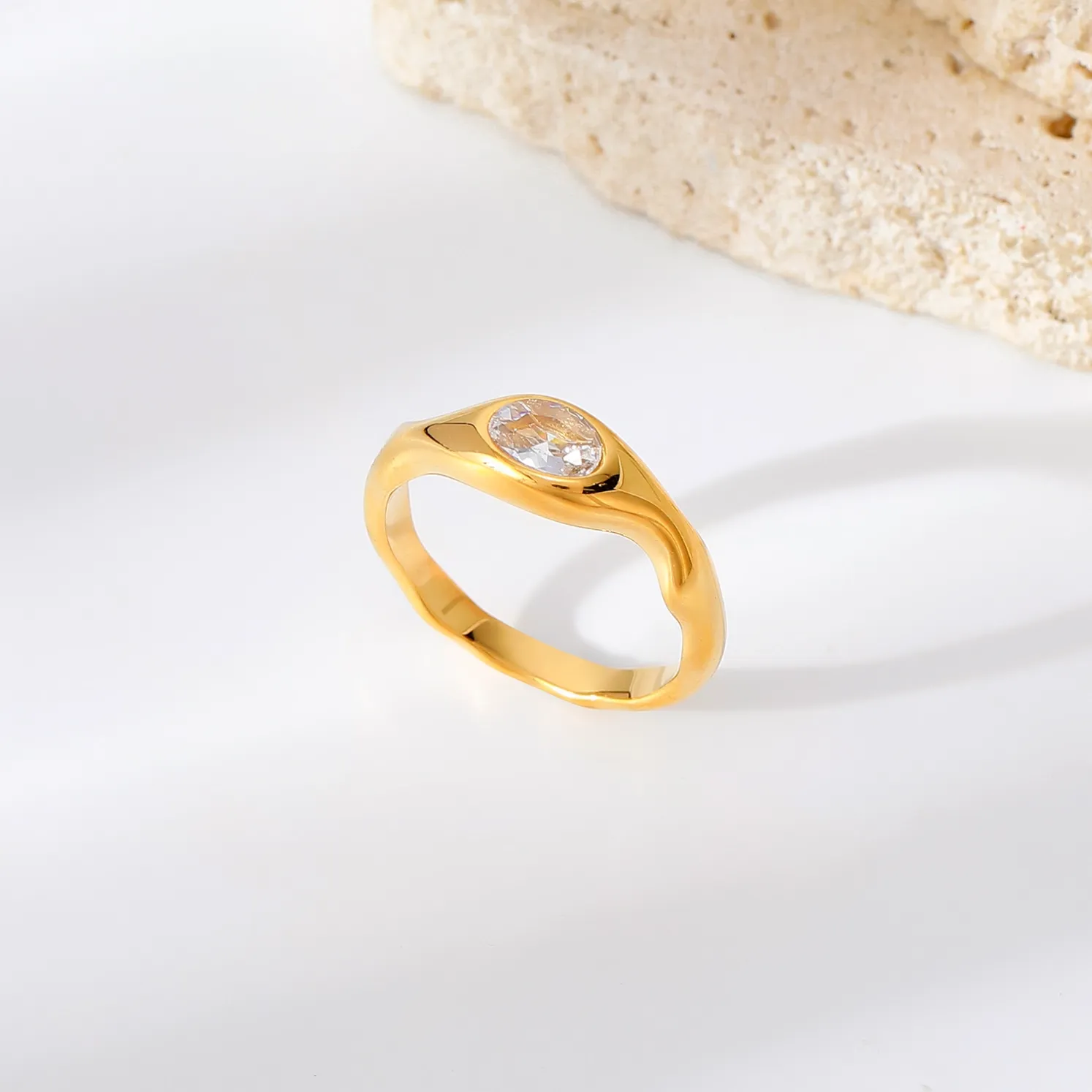
Jewelry-grade stainless steel is used for chains, rings, bangles, earrings, pendants, and small components. Its metallic base supports polishing, brushing, engraving, and color treatments. A silver-tone piece shows the steel surface, while a colored piece may use PVD 18K gold plated finishing.
Steel is popular for daily jewelry because it is relatively hard, resists everyday moisture better than many softer metals, and is easy to clean with mild soap and water. It can still pick up scratches, especially against sand, stone, or other hard surfaces. PVD color can also gradually wear through years of friction, so “durable” should never be read as “permanent.”
What is ceramic jewelry?
Takeaway: Ceramic jewelry delivers a smooth, non-metal feel and strong resistance to light surface marks, but it is less tolerant of sharp impact.
Jewelry ceramic is usually a dense engineered material shaped and polished into a finished component. It can feel cool and smooth, and it is often chosen for a clean, contemporary appearance. Ceramic does not behave like a soft metal: it does not bend in the same way when stressed.
That difference creates the central trade-off. A ceramic surface may stay visually smooth when a softer metal would show fine lines, but a hard impact on a corner can cause a chip, crack, or break. Ceramic pieces therefore need careful handling around tile floors, stone countertops, and tools.
Stainless steel vs ceramic jewelry at a glance
Takeaway: Steel is the more adaptable all-rounder; ceramic is the style-led option for a smooth, light-wearing experience.
Feature | Stainless steel jewelry | Ceramic jewelry |
|---|---|---|
Material feel | Solid metal, cool and familiar | Smooth, light-feeling, non-metal |
Everyday impact | Usually more forgiving and may dent or scratch | Can chip or crack under sharp impact |
Scratch behavior | Can develop hairlines over time | Often resists light surface marks well |
Design flexibility | Wide range of shapes, links, textures, and finishes | Strong for clean shapes and smooth surfaces |
Color options | Silver tone, black, and PVD 18K gold plated options | Color integrated or applied depending on design |
Repair outlook | Often easier to polish, reshape, or replace parts | Damage may require component replacement |
Water care | Rinse and dry after residue or chemicals | Keep clean and dry according to the maker’s guidance |
Best use | Everyday chains, rings, bracelets, and layered styles | Minimal rings, statement forms, and modern accents |
The table describes general tendencies, not a guarantee for every product. Thickness, construction, edges, coatings, and setting design influence real-world performance.
Pros of stainless steel jewelry
Takeaway: Choose steel when you want variety, dependable daily handling, and straightforward care.
1. Broad style range
Steel can be made into fine chains, chunky links, engraved plates, smooth hoops, textured bands, and sculptural pendants. Designers can combine polished and brushed sections in one piece. It also works well as a base for silver-tone, black, or PVD 18K gold plated color.
2. Practical everyday durability
A steel ring may scratch, but it generally handles ordinary bumps better than a brittle material. Chains and findings can often be adjusted or replaced. This makes steel a useful option for jewelry that will be worn frequently, layered, or handled during travel.
3. Simple maintenance
Warm water, mild soap, a soft brush, and a towel handle most dirt. Avoid abrasive polishing on colored finishes. Our how to clean tarnished stainless steel jewelry guide explains how to remove residue without turning routine care into a harsh treatment.
4. Accessible design development
For brands, steel supports many forms and surface treatments without limiting a collection to one visual language. It can move from minimalist jewelry to streetwear-inspired pieces while keeping the material story consistent.
Cons of stainless steel jewelry
Takeaway: Steel is tough, not scratch-proof, and colored surfaces need realistic care expectations.
Steel can show fine marks after repeated contact with desks, tools, sand, or other jewelry. A polished surface makes these marks more visible than a matte finish. PVD 18K gold plated color may gradually wear at high-friction points such as ring edges, clasp areas, and bracelet undersides.
Steel also has a recognizable metal feel. Someone seeking a very light, non-metal sensation may prefer ceramic. Finally, a steel piece with a complex setting or hollow construction can still be vulnerable; material alone does not guarantee perfect performance.
Pros of ceramic jewelry
Takeaway: Ceramic is appealing when surface smoothness, lightness, and a non-metal aesthetic are priorities.
Ceramic can feel comfortable during warm weather and gives designers a clean surface with a distinctive visual depth. It is useful for simple rings, geometric pendants, and modern accents. Many wearers like its smooth touch and the way it avoids the traditional appearance of a metal band.
Ceramic can also keep a polished look against light everyday rubbing better than some softer metals. That does not make it immune to damage: the important distinction is that ceramic tends to resist surface marks while remaining vulnerable to sudden impact.
Which material is better for rings?
Takeaway: Select stainless steel for impact tolerance and flexibility; select ceramic for a smooth look when you can protect it from hard knocks.
For a ring worn during commuting, travel, or active daily tasks, steel is often the more forgiving choice. It may acquire marks, but small scratches are usually less disruptive than a chip. For a minimalist ring worn in a controlled routine, ceramic can provide a distinctive finish and comfortable feel.
Ring fit matters for both materials. A loose ring can slide into hard surfaces, while a tight ring can be uncomfortable during heat or swelling. Consider whether the design has raised edges, stones, or separate metal parts before choosing based on material alone.
Care comparison
Takeaway: Both materials last longer with low-friction cleaning and sensible storage.
Care task | Stainless steel | Ceramic |
|---|---|---|
Routine cleaning | Mild soap, lukewarm water, soft cloth | Soft cloth and maker-approved gentle cleaning |
Abrasive products | Avoid, especially on PVD color | Avoid to protect polish and edges |
Storage | Separate from harder objects and rough surfaces | Cushion separately to reduce impact |
After swimming | Rinse off chlorine and salt, then dry | Follow maker guidance and dry thoroughly |
When damaged | Inspect for bent parts, loose settings, or scratches | Inspect for chips, cracks, and sharp edges |
Do not use vinegar, bleach, or aggressive polishing as a shortcut. If a ceramic component has a crack or sharp chip, stop wearing it. If steel has a loose setting, repair the setting rather than blaming the base material.
Frequently Asked Questions
Is stainless steel stronger than ceramic jewelry?
They are strong in different ways. Stainless steel is generally more forgiving when bumped and can scratch or dent instead of breaking. Ceramic often resists light surface marks but can chip or crack after a sharp impact. The best choice depends on whether your routine creates more rubbing or more hard knocks.
Does ceramic jewelry scratch less than stainless steel?
Ceramic often maintains a smooth surface against light rubbing better than polished stainless steel, which can develop fine hairlines. However, scratch resistance does not equal impact resistance. A ceramic piece may look pristine until a drop causes a chip. Keep it away from tile, stone, and heavy tools.
Is ceramic jewelry lighter than stainless steel?
Many ceramic designs feel lighter and less metallic than steel, but the final weight depends on size, thickness, and any metal findings. A large ceramic pendant can still have noticeable weight, while a fine steel chain may be extremely light. Compare the actual design, not only the material label.
Can ceramic jewelry get wet?
Some ceramic jewelry handles ordinary moisture, but water care depends on the complete design, including metal parts, adhesives, stones, and coatings. Follow the product instructions, rinse away salt or chemicals, and dry it fully. Avoid assuming that a ceramic component makes the entire piece suitable for every wet environment.
Is PVD 18K gold plated stainless steel permanent?
No. PVD 18K gold plated color can last well with gentle use, but friction, chemicals, and repeated contact gradually wear any surface finish. Ring edges and bracelet undersides usually experience the most contact. Clean with mild soap, avoid abrasive products, and describe the color as durable—not permanent.
Wholesale Stainless Steel Jewelry from IVANDA
Looking for a reliable stainless steel jewelry supplier? IVANDA supplies 316L pieces with PVD 18K gold plating - waterproof, skin-friendly and made for everyday wear. MOQ 60 pcs per style, in stock and ready to ship, with OEM/ODM services for custom designs. Message us on WhatsApp or email sales01@ivanda-fa.com for the latest catalog and wholesale prices.