Oct 21, 2026
How to Clean Stainless Steel Jewelry with Vinegar
Learn when vinegar can clean stainless steel jewelry, how to dilute it safely, and why mild soap is usually better for PVD 18K gold plated pieces.
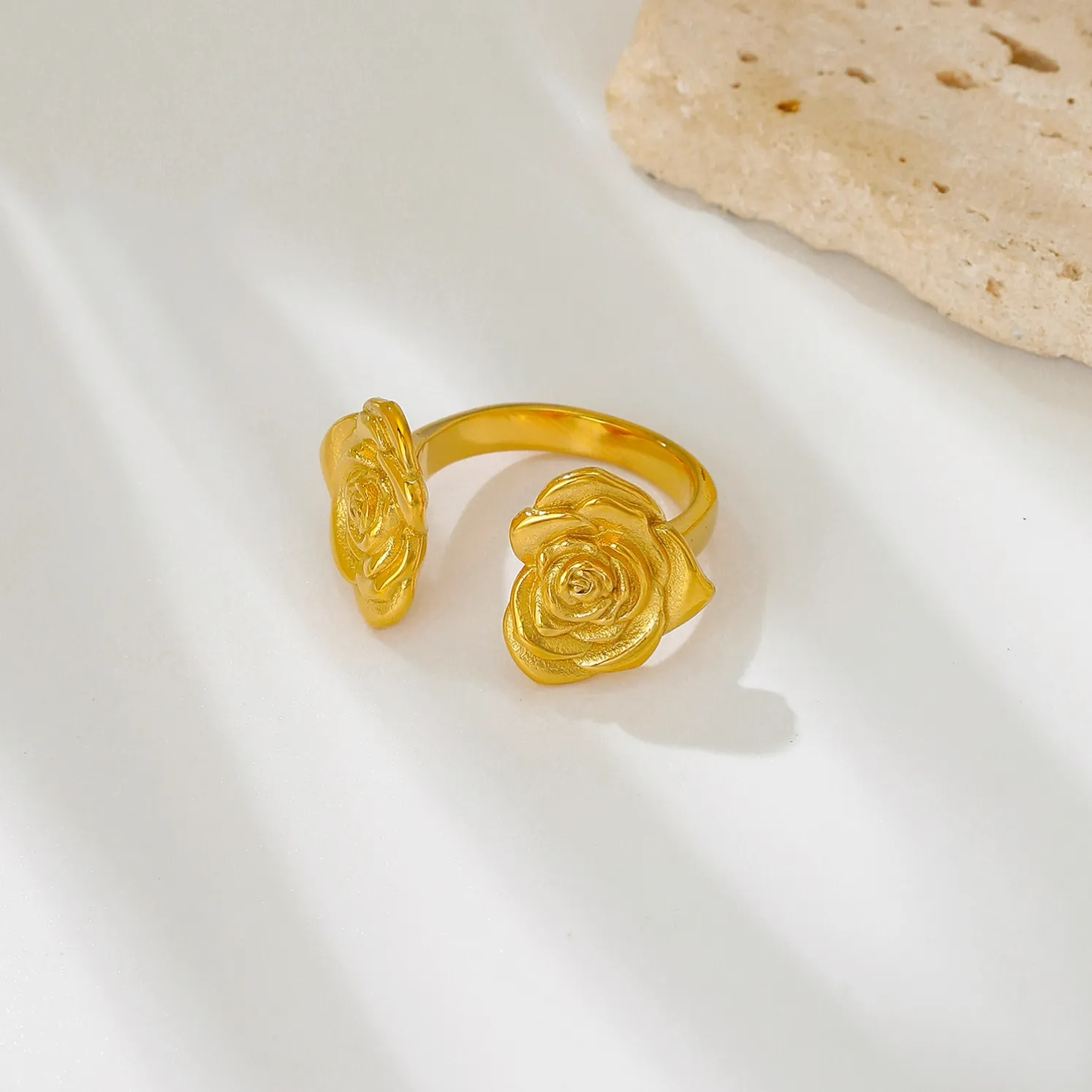
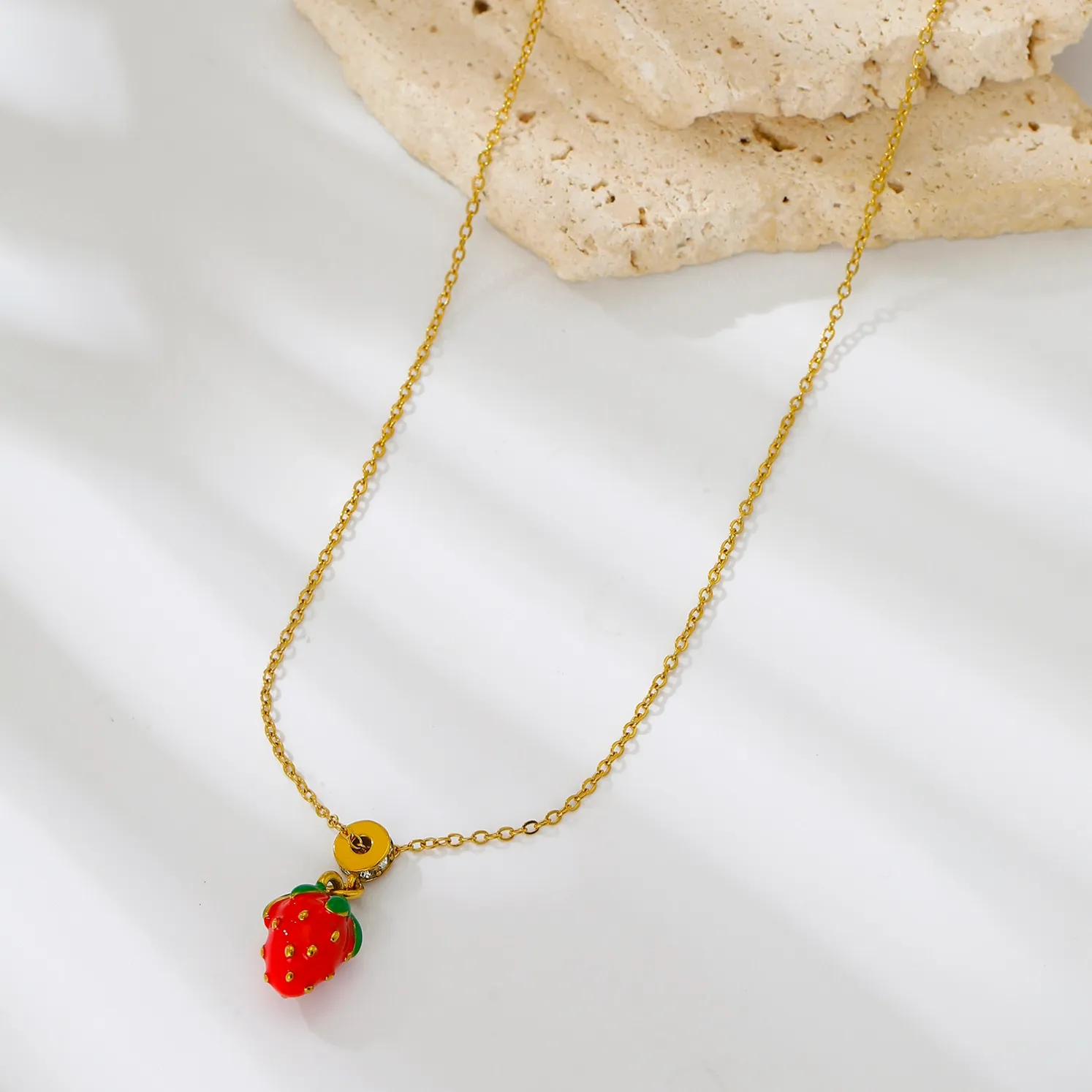
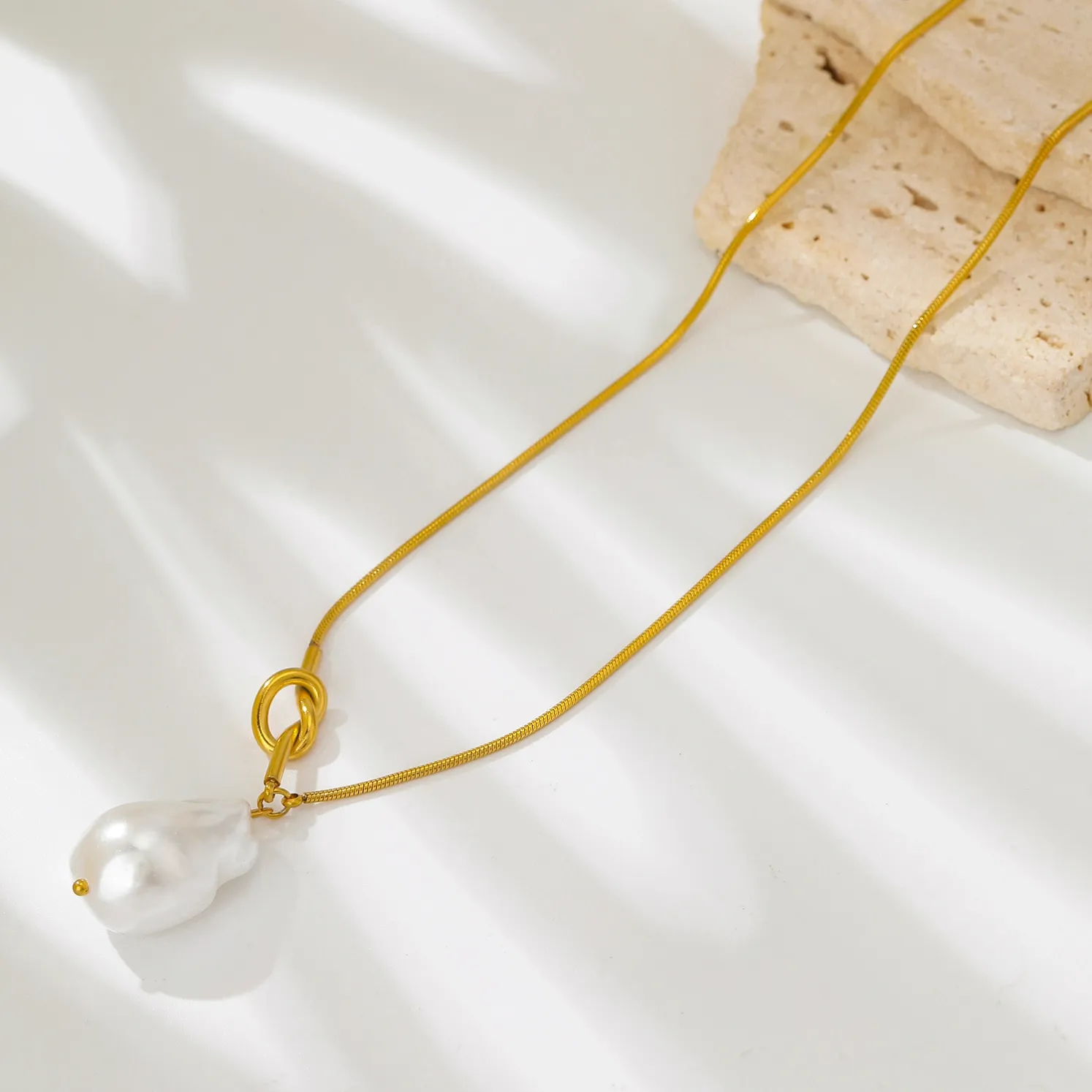
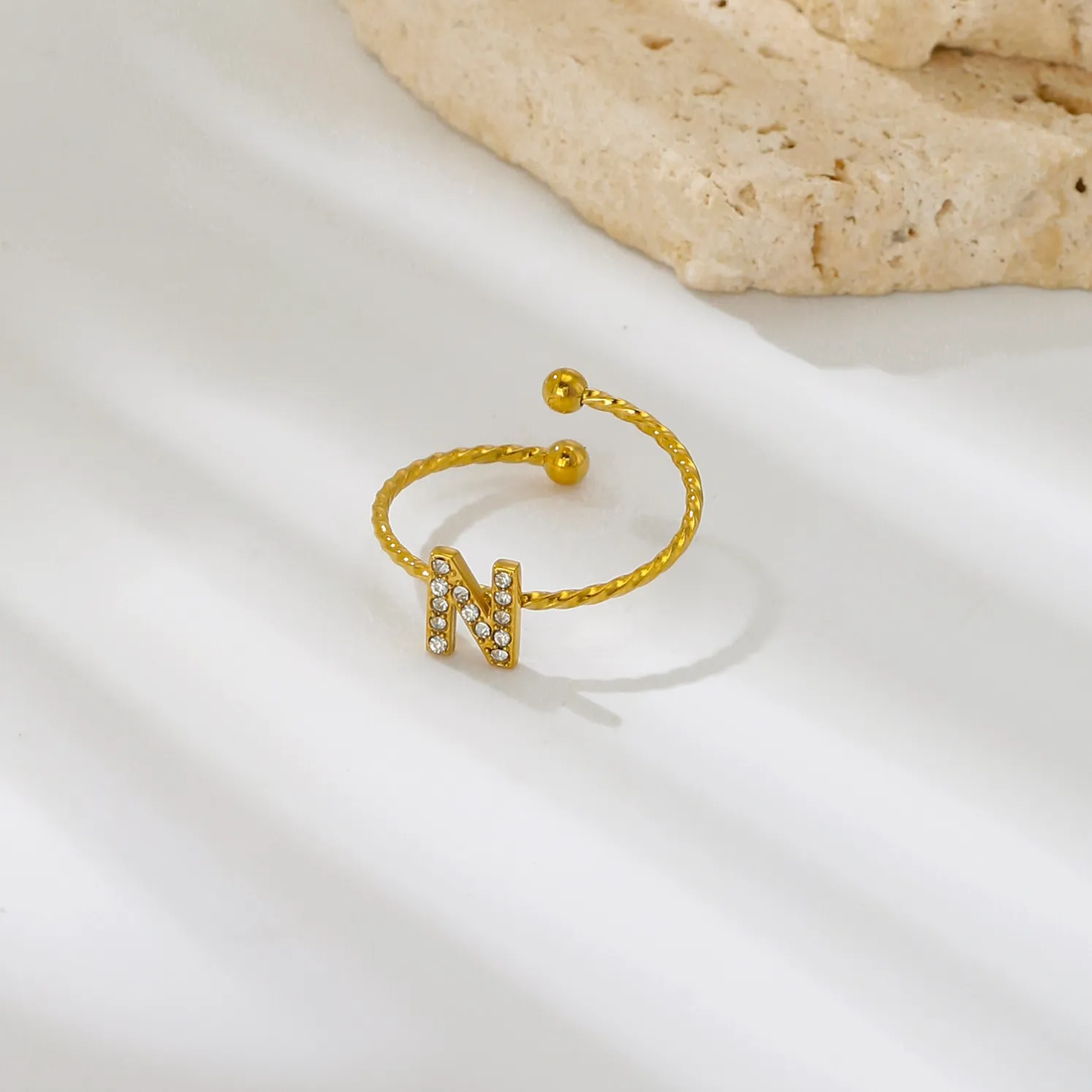
If you want to clean stainless steel jewelry with vinegar, use it as an occasional, diluted spot-cleaning option—not as a long soak or daily care routine. Plain stainless steel can handle brief contact with a mild acidic solution, but many pieces include PVD 18K gold plated color, stones, adhesives, or delicate details that deserve a gentler approach.
Vinegar is popular because it is already in most kitchens and can loosen mineral film and soap residue. However, “natural” does not automatically mean suitable for every finish. The safest method starts with identifying the piece, testing a hidden area, limiting contact time, and rinsing thoroughly. For everyday dirt, warm water and mild dish soap are usually enough. You can also compare the routine with our guide on how to clean tarnished stainless steel jewelry.
Can vinegar clean stainless steel jewelry?
Takeaway: Diluted white vinegar may help with mineral film on plain steel, but it is not a universal jewelry cleaner.
Vinegar contains acetic acid, which can loosen deposits left by hard water, soap, and perspiration. That makes it useful for a dull-looking plain stainless steel chain or pendant with a visible chalky film. It does not magically restore deep scratches, worn color, loose stones, or damaged plating.
Plain stainless steel and colored stainless steel should be treated differently. A polished silver-tone piece made entirely from steel has fewer surface layers to worry about. A PVD 18K gold plated piece has a colored surface that can gradually wear through years of friction. Repeated acid exposure, vigorous rubbing, or soaking around links may shorten the life of that finish.
The safest vinegar method for plain stainless steel
Takeaway: Keep the solution weak, the contact brief, and the rinse thorough.
Follow this process for an unplated stainless steel piece without porous stones or glued decoration.
- Inspect the jewelry. Look for loose settings, cracks, colored surfaces, stones, or parts that may trap liquid.
- Make a diluted solution. Combine one part white vinegar with three parts lukewarm water. A mild solution is easier to control than undiluted vinegar.
- Test a hidden area. Dampen a corner of the cloth and touch the underside or clasp. Wait briefly and check for a change in shine.
- Wipe, do not aggressively scrub. Work along the grain or contours of the piece, focusing on mineral spots and residue.
- Use a soft brush only where needed. A few gentle passes can clean chain links, engraving, and pendant edges.
- Rinse with clean water. Remove every trace of vinegar, especially inside clasps and textured details.
- Dry immediately. Pat with a soft towel, then allow the piece to air-dry fully before storage.
A short wipe is preferable to a bowl soak. If the residue remains, repeat the gentle process once rather than increasing the acid strength or scrubbing harder.
Why mild soap is usually the better first choice
Takeaway: Soap removes body oil and cosmetic film with less risk to jewelry finishes.
Most jewelry looks dull because it has a film of lotion, sunscreen, sweat, shampoo, or skin oil—not because the steel itself has changed. A drop of mild dish soap in lukewarm water lifts that film effectively. Use a soft brush around links, rinse, and dry.
Cleaning need | Best first method | Vinegar appropriate? | Important note |
|---|---|---|---|
Body oil and sweat | Mild soap and water | Usually unnecessary | Rinse and dry well |
Hard-water spots | Damp cloth and mild soap | Sometimes, diluted | Use briefly on plain steel |
PVD 18K gold plated color | Damp microfiber cloth | Better to avoid | Do not soak or abrade |
Loose dirt in chain links | Soft brush and soap | Usually unnecessary | Brush gently |
Unknown stones or glued details | Damp cloth only | No | Keep liquid exposure minimal |
Scratches or worn plating | Professional assessment or replacement | No | Vinegar cannot repair wear |
For a broader comparison of materials that resist visible discoloration, read what jewelry doesn't tarnish: material guide. “Does not tarnish easily” still does not mean “needs no cleaning.”
Can you soak stainless steel jewelry in vinegar?
Takeaway: A vinegar soak is rarely necessary and creates more exposure than a controlled wipe.
A long soak can push liquid into clasps, hollow sections, stone settings, and seams. It may also make a plated finish look uneven over time, particularly where edges already receive friction. Even on plain steel, soaking does not improve results when the real problem is oil or soap film.
If a product has a simple, unplated construction and stubborn mineral marks, keep any contact short and supervised. Do not leave jewelry overnight. Never heat the vinegar, seal the jewelry in a container, or combine it with another cleaner. When in doubt, return to soap and water.
How to clean PVD 18K gold plated stainless steel
Takeaway: Treat PVD 18K gold plated jewelry as a surface finish that needs low-friction care.
For colored pieces, use lukewarm water, mild soap, and a soft cloth. Do not use vinegar as a routine treatment, especially on chains, rings, and bracelet edges where movement creates repeated wear. PVD can offer a durable color layer, but it is not permanent. Over many years, friction from skin, clothing, storage, and cleaning can gradually show the steel underneath.
Do not promise that a plated piece will remain unchanged forever. The best care habit is simple: remove residue promptly, rinse after heavy exposure, dry completely, and store pieces separately. Our PVD coating jewelry science explained guide explains why coating thickness, contact, and daily friction matter.
Mistakes to avoid when using vinegar
Takeaway: Most vinegar-related jewelry damage comes from strength, time, friction, or mixing materials.
Avoid these common mistakes:
- Using undiluted vinegar on the whole piece
- Leaving jewelry submerged for an hour or overnight
- Scrubbing with a rough sponge or polishing compound
- Cleaning plated jewelry as though it were plain steel
- Treating stones, pearls, leather, or glued details with acid
- Skipping the water rinse
- Storing the piece while it is still damp
- Assuming vinegar can remove scratches or restore worn PVD color
If the jewelry changes color, develops a cloudy patch, or feels rough after cleaning, stop. Rinse with clean water, dry it, and do not repeat the treatment. A qualified jeweler or supplier can advise whether the surface has simply collected residue or has experienced finish wear.
A simple maintenance schedule
Takeaway: Frequent gentle wiping is safer than occasional aggressive cleaning.
After wearing jewelry, wipe away lotion, sweat, and makeup with a soft dry cloth. Every few weeks, wash frequently worn plain steel with mild soap and lukewarm water. Use the diluted vinegar method only for occasional mineral film on suitable unplated pieces. Colored or detailed jewelry should stay with the soap-and-cloth routine.
Store necklaces flat or on a hanger so links do not rub unnecessarily. Keep pieces away from bleach, pool chemicals, and abrasive surfaces. If you want more guidance on daily moisture and wear, see what is waterproof jewelry and does it last?.
Frequently Asked Questions
Is vinegar safe for all stainless steel jewelry?
No. Diluted vinegar may be acceptable for brief cleaning of simple, unplated stainless steel, but it is not suitable for every construction. Avoid it on PVD 18K gold plated finishes, porous stones, pearls, leather, glued parts, and unknown coatings. Use mild soap and water or a damp cloth when the materials are uncertain.
How long should stainless steel jewelry sit in vinegar?
It is better not to soak it. Apply a diluted solution with a soft cloth, wipe briefly, and rinse immediately. If a simple plain-steel piece has stubborn mineral film, keep contact short and supervised rather than leaving it submerged. Longer exposure does not fix scratches, worn plating, or heavy grime better.
Can vinegar remove tarnish from stainless steel jewelry?
Vinegar can loosen surface residue that looks like tarnish, especially mineral deposits from hard water. It cannot reverse scratches, corrosion, or a finish that has worn away. Start with mild soap and water, then use diluted vinegar only on suitable plain steel if a chalky film remains.
Can I use vinegar on PVD 18K gold plated jewelry?
It is best to avoid vinegar as a routine cleaner for PVD 18K gold plated jewelry. Use lukewarm water, mild soap, and a soft cloth instead. PVD color can gradually wear through years of friction, and acid plus scrubbing adds unnecessary stress. Never use vinegar to promise permanent color retention.
What should I do after cleaning with vinegar?
Rinse the jewelry thoroughly with clean water, paying attention to clasps and textured areas. Pat it dry with a soft towel and let it air-dry fully before storage. Do not combine vinegar with bleach or another household cleaner. If the finish looks different, stop using the solution and seek product-specific advice.
Wholesale Stainless Steel Jewelry from IVANDA
Looking for a reliable stainless steel jewelry supplier? IVANDA supplies 316L pieces with PVD 18K gold plating - waterproof, skin-friendly and made for everyday wear. MOQ 60 pcs per style, in stock and ready to ship, with OEM/ODM services for custom designs. Message us on WhatsApp or email sales01@ivanda-fa.com for the latest catalog and wholesale prices.