Oct 20, 2026
Can You Wear Stainless Steel Jewelry with Cosmetics?
How makeup affects stainless steel, PVD 18K gold plated steel, silver and plated brass - plus the worst offenders and an end-of-day wipe routine.
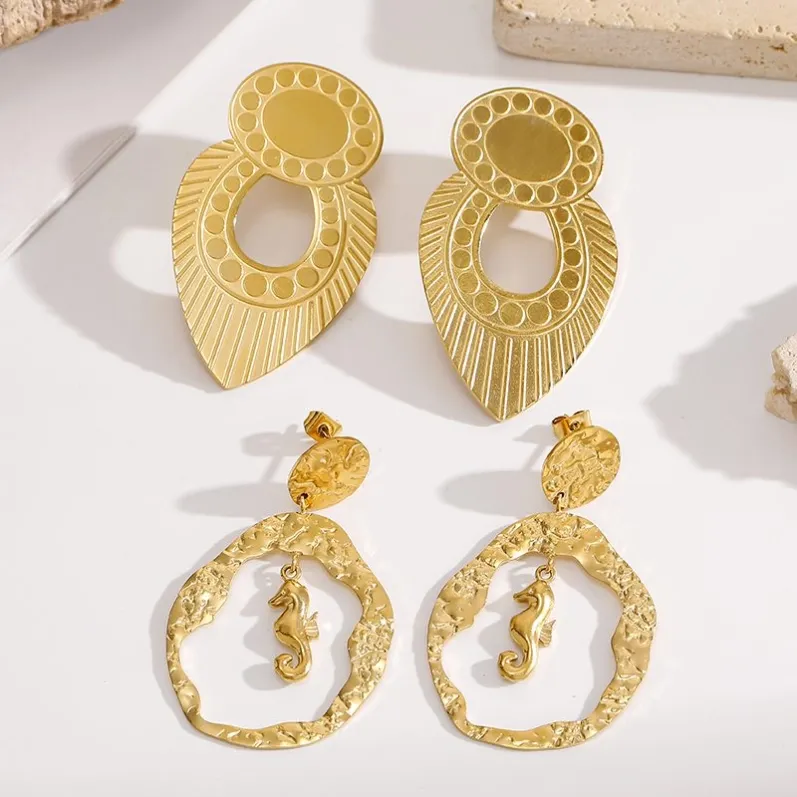
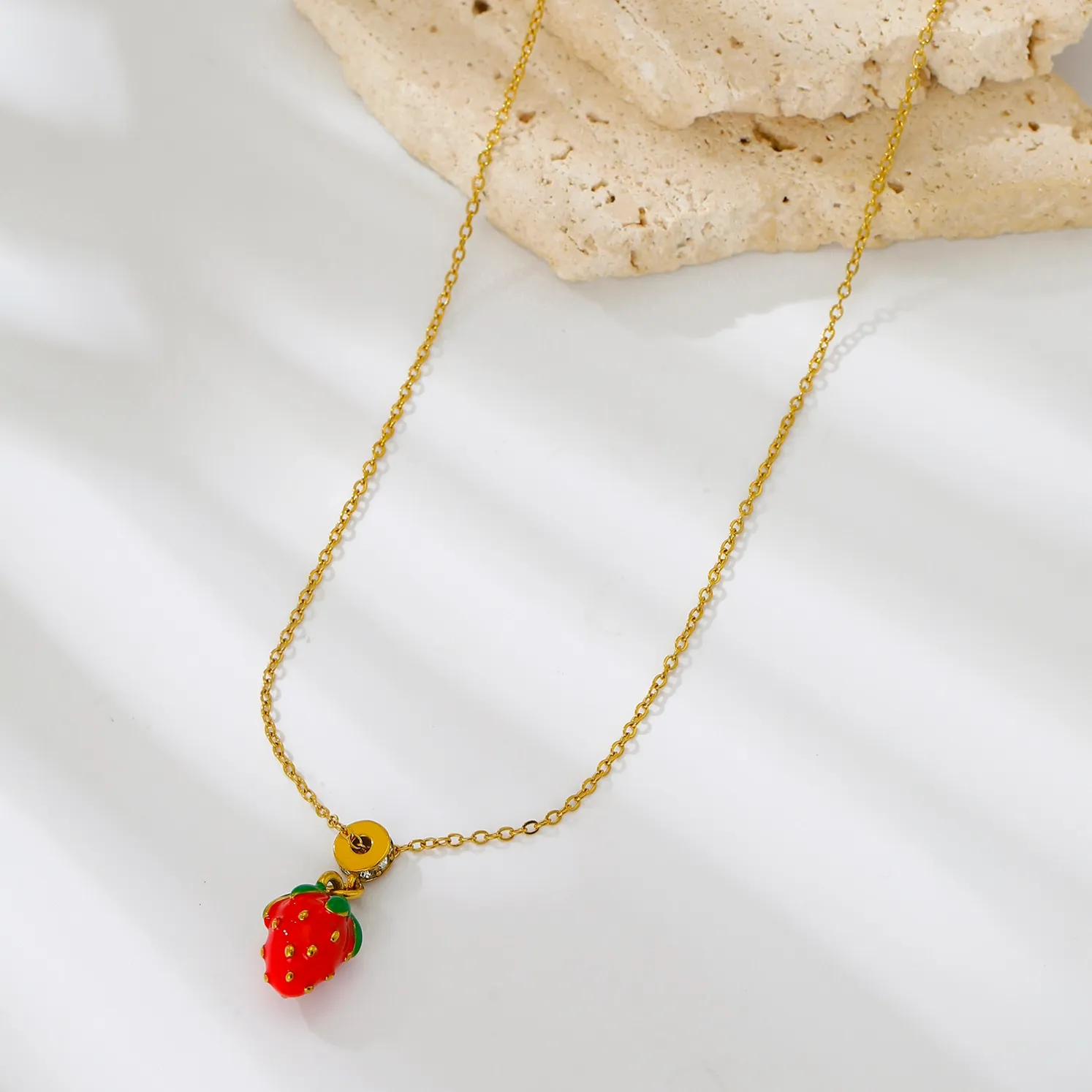
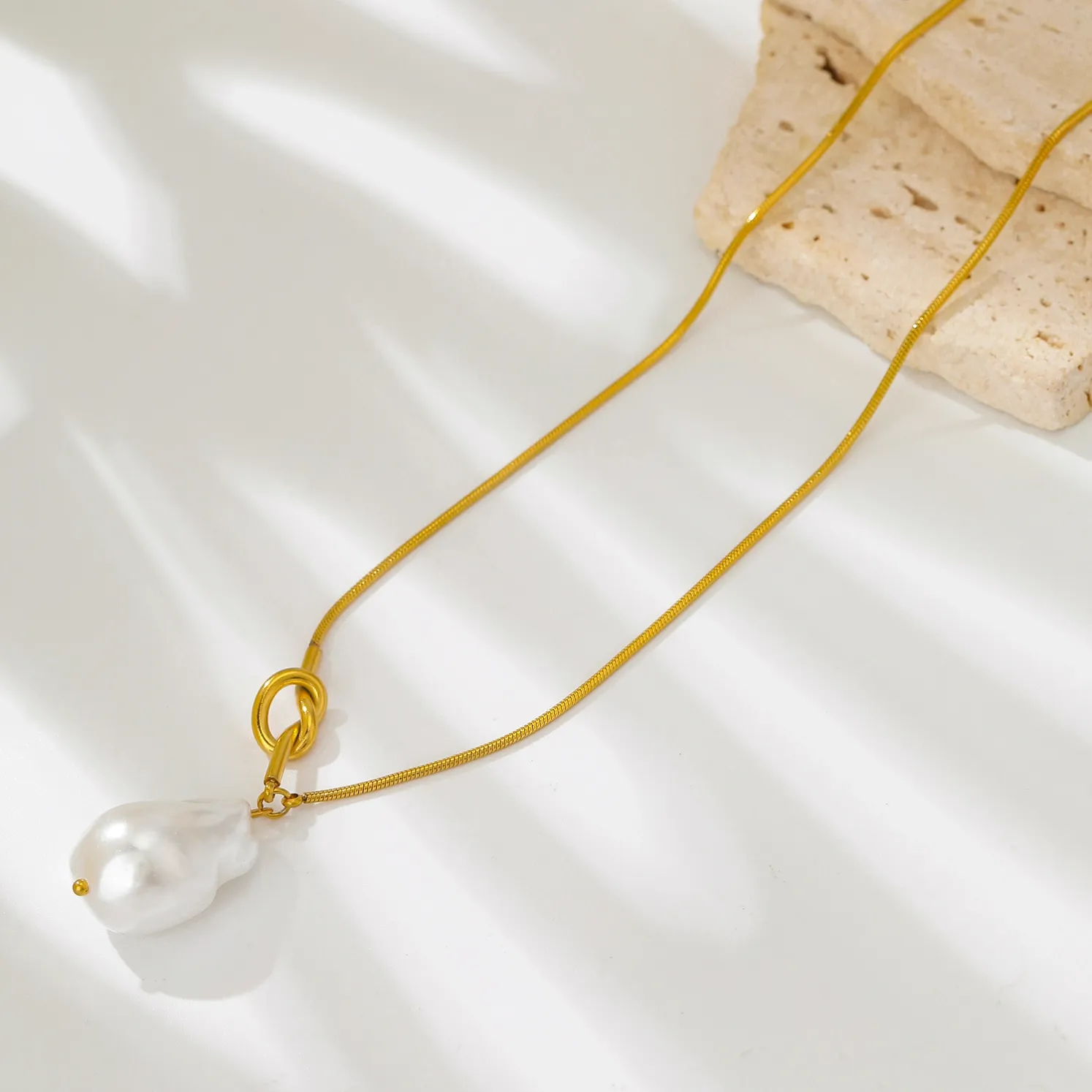
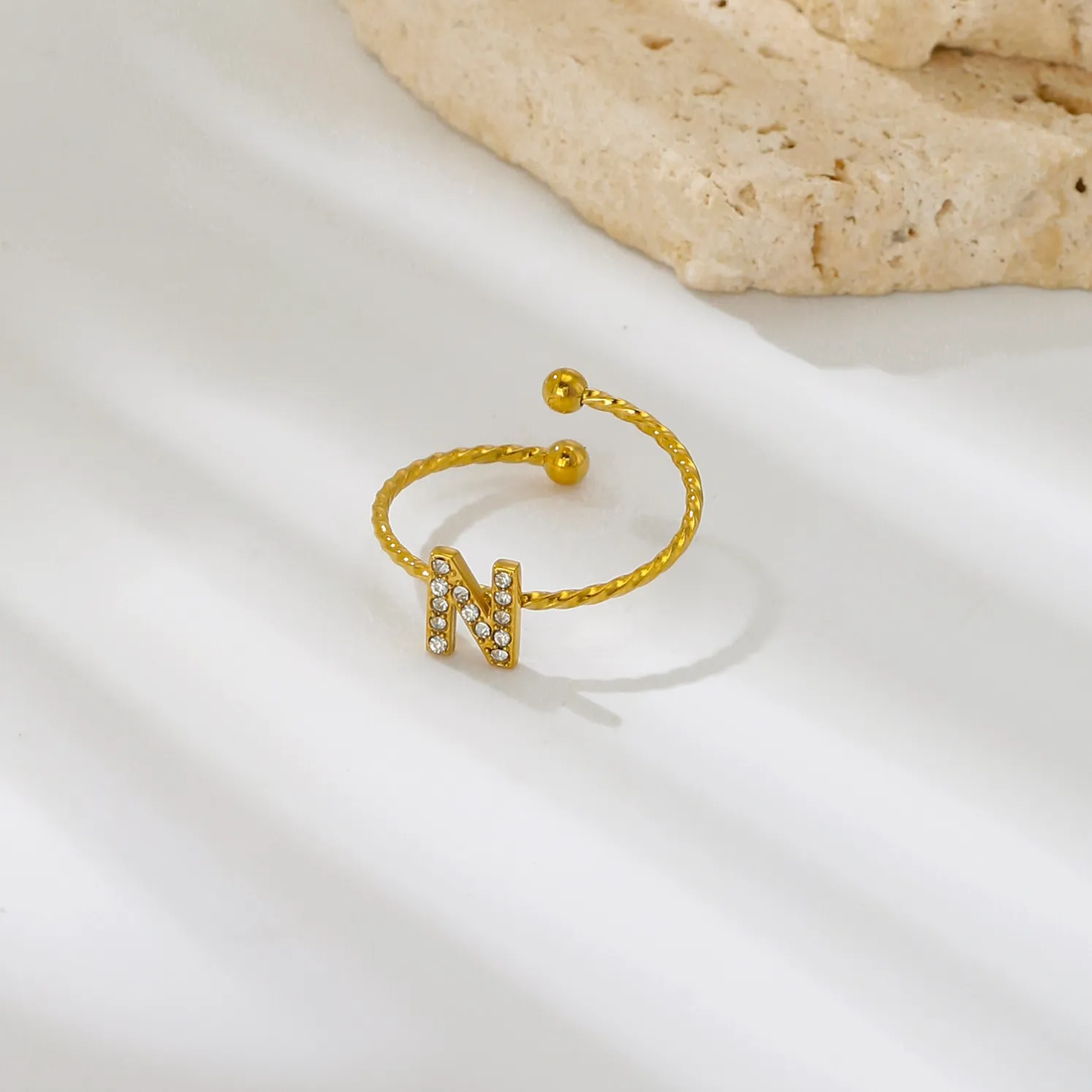
Yes — stainless steel is one of the few jewelry materials that shrugs off a full makeup routine: cosmetics sit on the surface as a removable film instead of eating into the metal. Foundation, powder, primer and setting spray have retired more delicate chains than any single accident, but with steel the story is different. This article covers beauty products broadly — we treat sunscreen, the strongest formula most people wear daily, in its own guide to stainless steel jewelry and sunscreen.
The Short Answer
Plain and PVD 18K gold plated stainless steel handle cosmetics better than silver, brass or fashion alloys — with steel, makeup is a cleaning matter, not a damage matter. You can apply foundation around a steel chain, set your makeup over a steel ring, and wear both through the day without watching for a reaction. What you will eventually see is buildup: a dulling film that a short wash removes completely. The rest of this article explains what each product actually deposits, which pieces collect the most, and the routine that keeps everything bright.
What Makeup Actually Does to Jewelry
Three mechanisms are at work, and none of them corrode steel:
- Films in crevices. Liquid foundation and loose powder settle exactly where a cloth cannot reach — chain links, clasp mechanisms, engraved textures, the underside of a ring. Layer on layer, this builds a grayish film that reads as "old" even when the metal beneath is flawless.
- Pigment transfer. The iron oxides and other colorants in foundation, blush and bronzer can leave a faint tint on bright surfaces. It is most visible on polished finishes and it wipes away — as long as you actually wipe it.
- Oils that soften the look. Makeup bases combined with the skin's own oils form a thin greasy layer that scatters light instead of reflecting it. The piece looks tired rather than dirty, which is why people often assume the finish has failed when it has only been filmed over.
Takeaway: makeup dulls jewelry by deposit, not by corrosion — which means cleaning, not protection, is the response that matters.
How Different Materials Handle Cosmetics
Material | What cosmetics do to it | Care burden |
|---|---|---|
Stainless steel (316L) | Nothing chemical — makeup sits on the surface as a removable film | Low: wash the film off now and then |
PVD 18K gold plated steel | Coating resists cosmetic ingredients; films collect in crevices as on plain steel | Low to moderate: gentle washing, never abrasive |
925 silver | Deposits hold moisture and pigment against the surface, speeding tarnish; gray film appears faster | Moderate to high: frequent polishing, dry storage |
Gold plated brass | Thinner, softer plating dulls quickly, and the polishing it demands wears it away | High: handle as little as possible |
316L is the industry's premium grade for steel jewelry, and it is the material that turns "will my makeup ruin this?" from a weekly worry into a non-issue. For the full chemistry comparison, see our guide to jewelry that doesn't tarnish.
The Worst Offenders in Your Makeup Bag
Liquid foundation is the biggest film-builder. It is designed to adhere for hours, it is applied directly to the neck and chest where necklaces sit, and it migrates into every link and clasp it touches. Sunscreen-toned primers and SPF makeup come next: the waxes and silicones that make them grip skin make them grip metal just as well, and they go on generously across large areas. Setting sprays round out the list — their polymers are engineered to lock makeup in place, and sprayed near jewelry they lock the day's film onto it with equal efficiency.
None of these harm 316L steel chemically. They simply build deposits faster than everyday skin oils do, which is why a steel necklace worn through a full makeup routine needs washing more often than one worn on bare skin.
Takeaway: the stickier the product's job, the faster it films over your jewelry — foundation, primer and setting spray are the big three to watch.
Exposure Levels: Necklace vs Ring vs Earrings
Piece | Cosmetic exposure | Why |
|---|---|---|
Necklaces | Highest | Sits in the foundation-and-primer zone of the neck and chest all day |
Rings | Moderate | Picks up base and powder from hands during application, then holds them under the stone or setting |
Earrings | Lowest | Foundation rarely reaches the ears; the main contacts are hair products and skin oils |
If you only ever clean one piece, clean the necklace — it collects far more cosmetic film in a week than earrings do in a month.
The End-of-Day Wipe Routine
- Dry wipe first. A quick pass with a dry microfiber cloth removes fresh foundation and powder before they set into the crevices.
- Wash filmed pieces. Lukewarm water, one drop of mild dish soap, and a soft brush worked along links, clasps and engravings.
- Rinse and dry. Clean water, then a towel — leaving water to air-dry invites mineral spotting on the surface.
- Store dry and separate. Pieces that go into a box wet pick up the neighbor's film along with their own.
The whole cycle takes about a minute. A couple of times per week is plenty for a daily-worn necklace; weekly covers everything else. Skip abrasive pastes entirely — a PVD coating stands up to years of wear, but grinding at it with scouring compounds is how plated finishes get aged early. For deeper restores, the same method in our guide to cleaning tarnished stainless steel jewelry applies.
Takeaway: a one-minute wipe at night beats any rescue operation later — makeup film is trivially removable before it builds, and stubborn only after.
Frequently Asked Questions
Can makeup damage stainless steel jewelry?
Not chemically. The ingredients that tarnish silver or dull plated brass have no corrosive effect on 316L steel; the issue is purely deposit. Foundation and powder build a film in crevices that dulls the surface, and a quick wash with mild soap and water restores the original finish. No special products or protective sprays are required.
Does foundation tarnish PVD 18K gold plated jewelry?
It does not tarnish the way silver tarnishes — the coating is not reactive to cosmetics. What foundation does is collect as a film along links and settings, and that film makes plated pieces look faded and flat. Gentle soapy cleaning removes it completely. What actually shortens a PVD finish's life is years of abrasion, not makeup.
Should jewelry go on before or after makeup?
After. The long-standing habit — makeup first, jewelry on last, jewelry off first at night — exists to keep films and pigments off the metal. Foundation applied over a necklace cakes into its links, while a necklace added after the base has set picks up far less. The same order protects PVD 18K gold plated pieces best.
Why does my silver chain look gray when I wear it with makeup?
Silver reacts. Deposits of foundation and powder hold moisture and pigment against the surface, which accelerates tarnish, and pigment films themselves read as gray smudges on polished links. Stainless steel has no such reaction, which is why steel necklaces are the lower-maintenance choice for anyone who wears foundation or bronzer daily.
Can I clean jewelry with a makeup remover wipe?
Better not. Remover wipes dissolve makeup, but they leave their own residue — oils and emulsifiers — on the metal, so you trade one film for another. Mild dish soap and warm water remove cosmetics completely and leave nothing behind. Keep remover wipes for skin, and keep soap for jewelry, whether plated or plain steel.
Wholesale Stainless Steel Jewelry from IVANDA
Looking for a reliable stainless steel jewelry supplier? IVANDA supplies 316L pieces with PVD 18K gold plating - waterproof, skin-friendly and made for everyday wear. MOQ 60 pcs per style, in stock and ready to ship, with OEM/ODM services for custom designs. Message us on WhatsApp or email sales01@ivanda-fa.com for the latest catalog and wholesale prices.